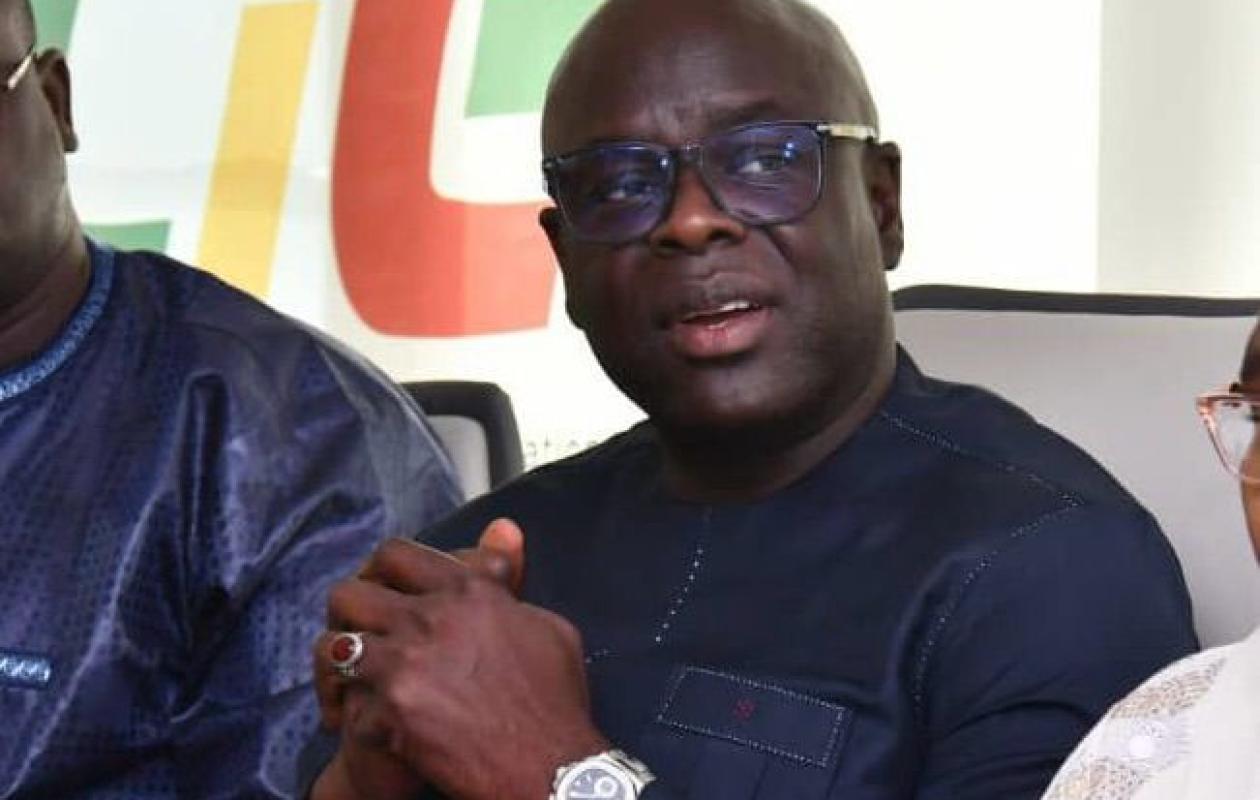
La démocratie sénégalaise à l’épreuve (Par Abdoulaye Dieng)
The current political debate is often presented as a rivalry between personalities or an emerging crisis at the highest levels of government. However, a more dispassionate analysis leads to a different conclusion: what Senegal is experiencing today is, above all, a democratic test. Not a test in the sense of an institutional crisis, but a maturity test for institutions called upon to evolve within an unprecedented context of power rebalancing.
Since independence, our country has built its reputation on the stability of its institutions and the regularity of its elections. This reality, however, should not obscure a persistent weakness: the concentration of power around the presidential office. From Léopold Sédar Senghor to Abdou Diouf, from Abdoulaye Wade to Macky Sall, successive presidents have exerted a decisive influence not only on the executive branch, but also on the legislative branch and, to some extent, on the judiciary. Over the decades, this practice has gradually fostered confusion in the public mind between the state, its institutions, and the person of the president.
Democracy rests on a simple principle: no power should overshadow the others. The executive branch governs. The legislative branch votes on laws, oversees government action, and represents popular sovereignty. The judiciary ensures respect for the law and protects liberties. These three branches must be independent while remaining capable of cooperating in the general interest.
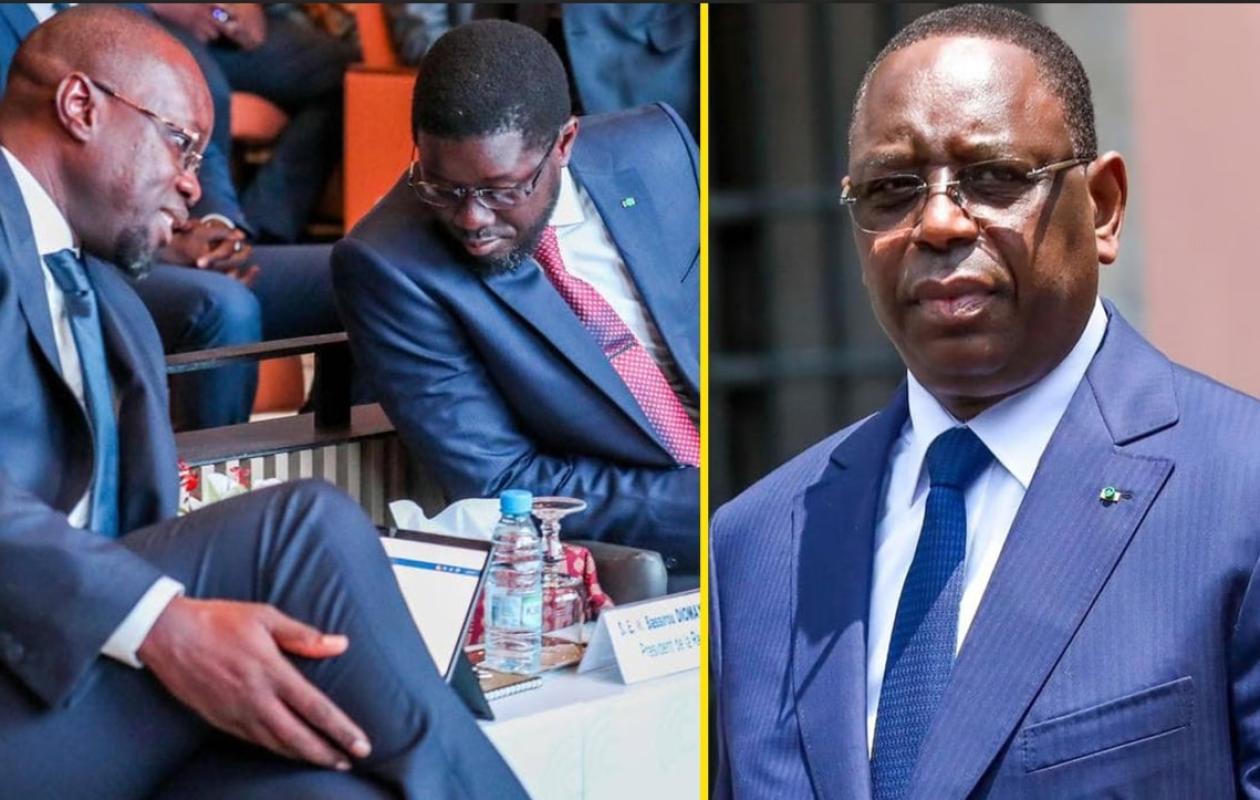
Recent events have created an unprecedented situation in our political history. The departure of Prime Minister Ousmane Sonko to the presidency of the National Assembly has led to a new distribution of responsibilities between the executive and legislative branches. Many see this as a source of tension. However, this concern stems largely from our political culture. We have become accustomed to seeing the president occupy a central position in the functioning of institutions. Consequently, any real autonomy of the legislature or any assertion of a counterweight is often perceived as an anomaly. In a democracy, however, it is the opposite that should concern us: the absence of genuine checks and balances and the excessive concentration of authority in the hands of a single institution.
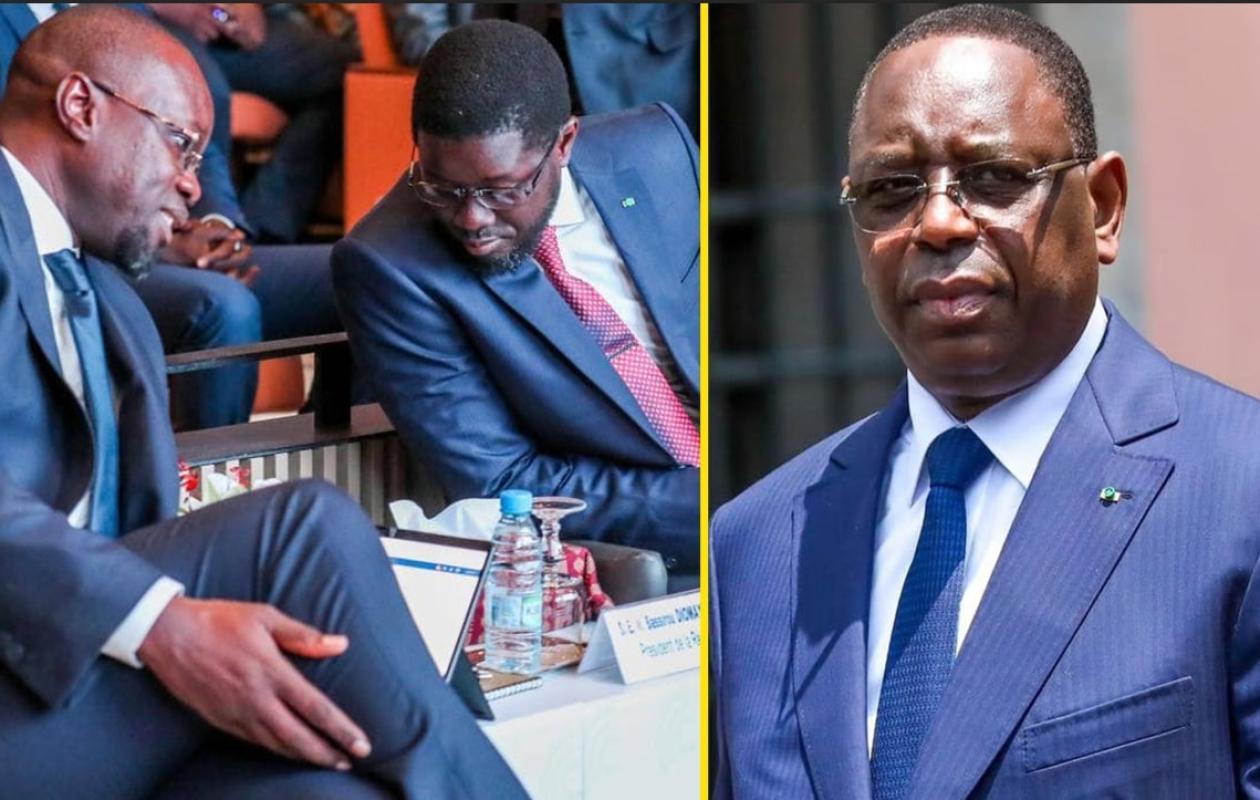
It is worth recalling that President Bassirou Diomaye Faye had made the rebalancing of institutions one of the major commitments he made to the Senegalese people. The current situation therefore constitutes, in a way, a full-scale test of this approach.
To speak of an institutional crisis today would be excessive. A crisis arises when institutions cease to function or refuse to recognize each other. We are not there yet. Indeed, the attitude of the President of the National Assembly, who, upon taking office, extended a hand to the President of the Republic and called for collaboration based on the best interests of the country, should be commended. In a context where many predicted a confrontation, this gesture deserves to be highlighted. It underscores a fundamental truth: the separation of powers does not preclude either dialogue or cooperation.
The President of the Republic and the President of the National Assembly derive their legitimacy from the same political project, freely validated by the Senegalese people at the ballot box. This is an asset for our democracy. As long as each remains true to the commitments made to the people and respects the responsibilities attached to their office, there is no objective reason to fear a major institutional conflict. The independence of powers does not mean systematic opposition. On the contrary, it allows each institution to fully exercise its prerogatives while contributing to the implementation of a common project validated by the voters.
This particular sensitivity of public opinion is also explained by the unique nature of the paths that led the two men to power. For many Senegalese, Bassirou Diomaye Faye and Ousmane Sonko represented more than just a political alternative. They embodied an ideal founded on loyalty, mutual trust, the transcendence of personal ambition, and the primacy of the national interest. This is why the slightest real or perceived disagreement between them raises so many questions. Beyond institutional considerations, part of the current debate reflects the fear of seeing a symbol that had largely fueled the hope for change crumble.
However, the success of this new configuration is not guaranteed. It will depend on everyone's ability to place the nation's best interests above personal ambitions, internal power struggles, or the pursuit of power. The separation of powers represents democratic progress when it fosters balance and accountability. Conversely, it can become a source of gridlock when institutions cease to fulfill the mandate entrusted to them by the people. More than ever, civic vigilance and respect for commitments made to the Senegalese people will remain the best guarantees of democratic stability.
For decades, the balance of power in our country remained largely theoretical. Senegal may now be on the verge of a new chapter in its democratic history. The real issue is not whether institutions possess distinct prerogatives, but whether those in charge will exercise them with the sense of state required by the mandate received from the people. For a mature democracy is measured neither by the authority of one man nor by the influence of one faction, but by the strength of its institutions and their capacity to serve the common good.
Abdoulaye Dieng, entrepreneur

![[Exclusif] Affaire Pape Cheikh Diallo : Les coulisses de son extraction secrète de Rebeuss ce jeudi !](https://image.seneweb.com/content/news/2026-25-18//thumb_1260x800_6a3434c7e3e9d_afwaHJw2Yb.jpg)








Commentaires (2)
Participer à la Discussion
Règles de la communauté :
💡 Astuce : Utilisez des emojis depuis votre téléphone ou le module emoji ci-dessous. Cliquez sur GIF pour ajouter un GIF animé. Collez un lien X/Twitter, TikTok ou Instagram pour l'afficher automatiquement.