Patrimoine sous-marin : une nouvelle alliance pour préserver la mémoire des océans
The protection of the seabed could reach a turning point starting this Friday, June 19, 2026. Cheikh Anta Diop University (UCAD), the National Gendarmerie, the Directorate of Management and Exploitation of the Seabed (DGEFM), and the Directorate of Community Marine Protected Areas (DAMCP) have decided to pool their resources and expertise for better management of the ocean's natural treasures. The project was presented by Professor Ibrahima Thiaw, Director of the Research Unit in Cultural Engineering and Anthropology (URICA) at the French Institute of Black Africa (IFAN).
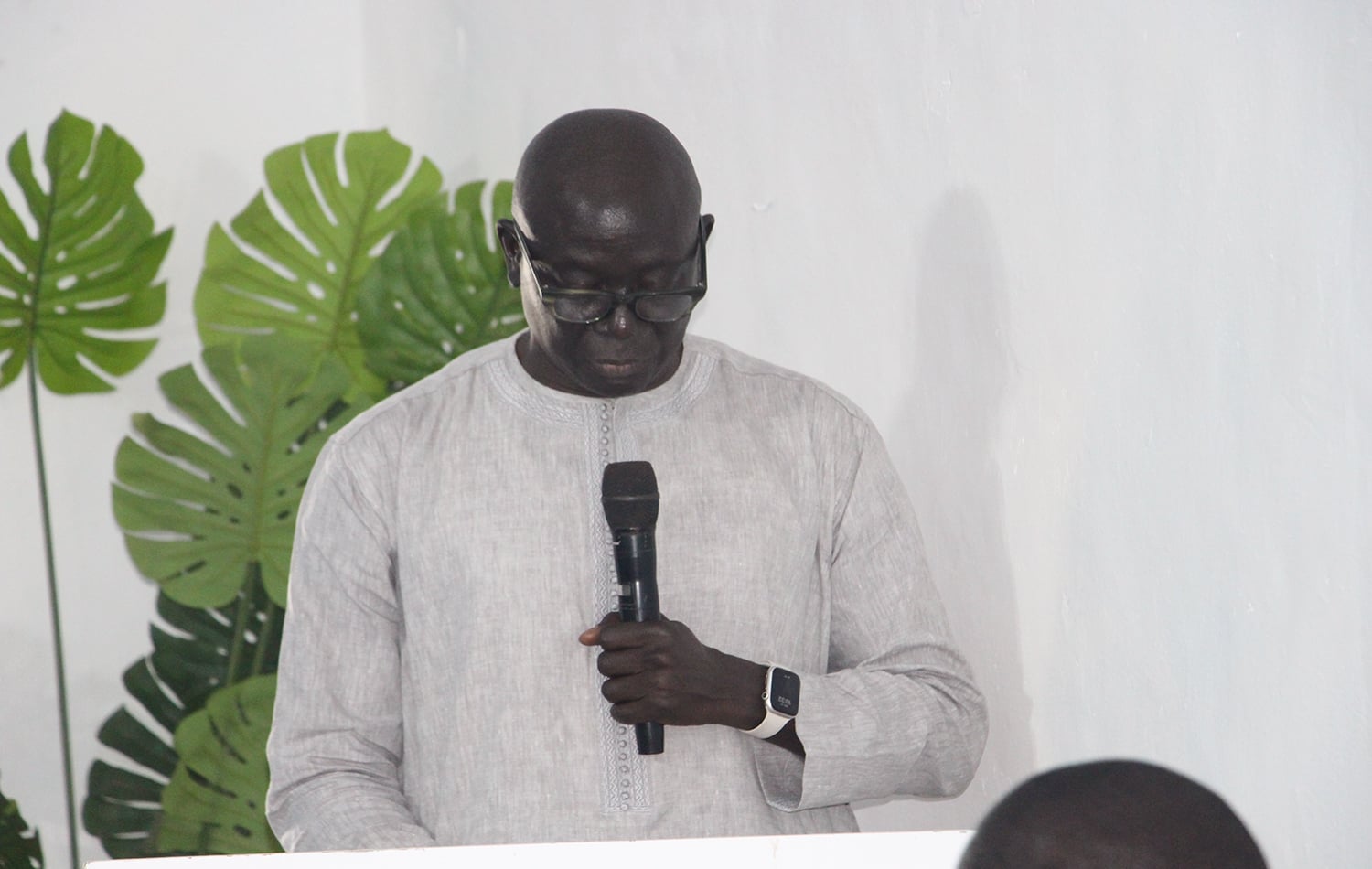
Long considered a fishing resource, a transport route, or a border to be monitored, the ocean remains nonetheless "the world's largest museum," emphasizes Professor Thiaw. A significant part of humanity's history is buried in shipwrecks, reefs, and other natural or artificial reefs. This submerged cultural heritage is both precious and fragile, as it is subject to all sorts of threats such as overexploitation of resources, industrial discharges, illegal activities at sea, and climate change. Given these challenges, it is clear that no institution can act effectively in isolation, as Major General Martin Faye, High Commander of the Gendarmerie, reiterated.
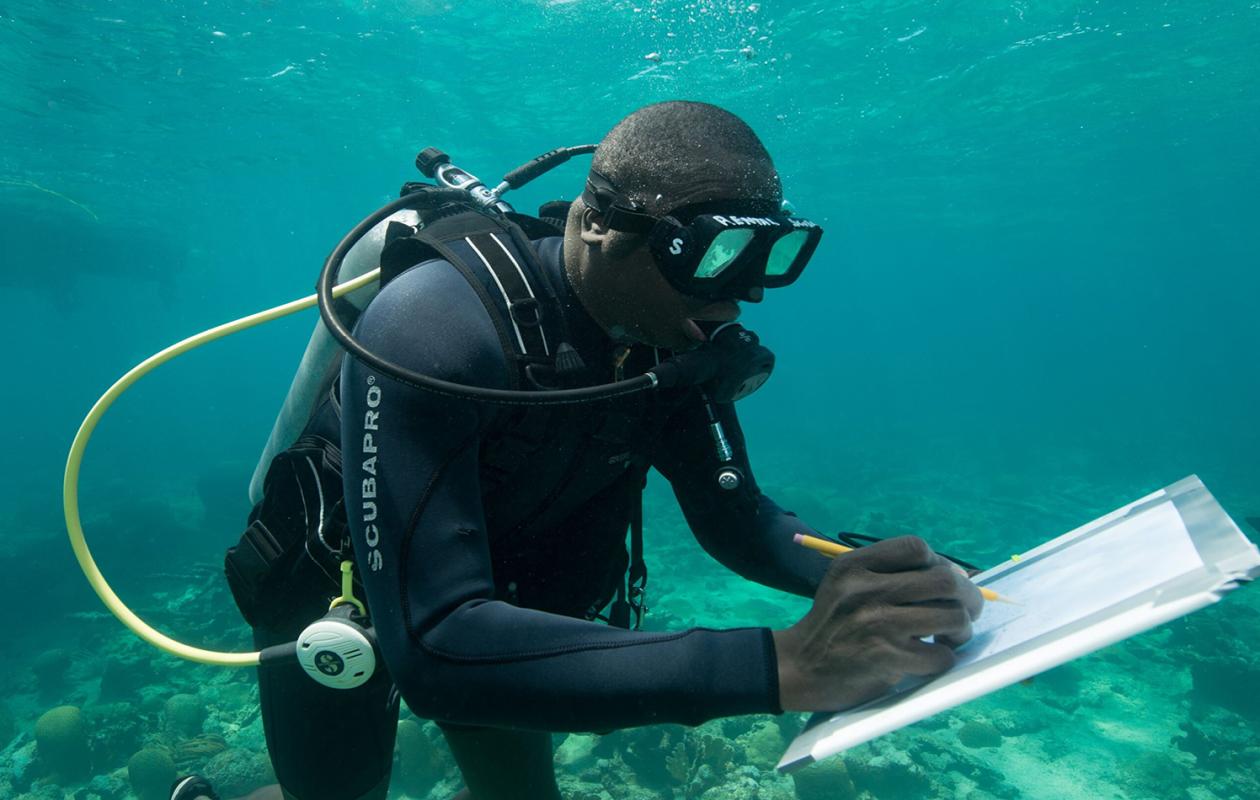
Underwater archaeologists have so far tried to salvage what they can within their technical and logistical limitations. "Diving to document history requires dual skills, heavy equipment, and absolute safety," emphasizes Professor Ibrahima Thiaw.
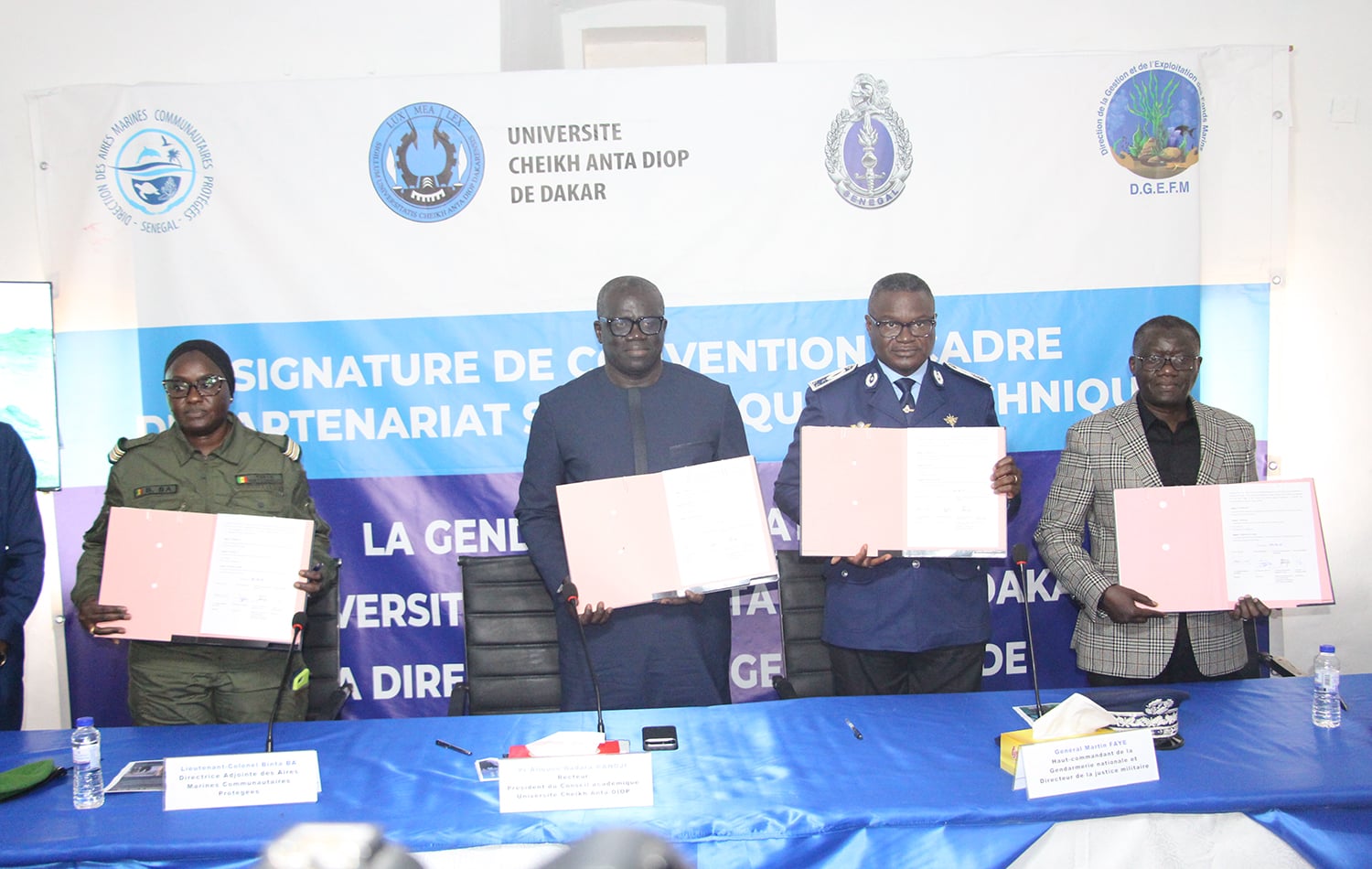
The arrival of other actors such as the gendarmerie and the DGEFM thus signifies "a victory of synergy over isolation." From now on, the gendarmerie will contribute its technical expertise in diving, its knowledge of currents, and its security network across the maritime territory.
The safety of diving operations is ensured, reinforced by rescue protocols and hyperbaric intervention logistics. In turn, UCAD's research teams will be able to train gendarmerie personnel in the identification and respect of maritime cultural property during surveillance missions. This shifts the focus from a sector-based management approach to a holistic vision of the maritime space. As a result, adds Professor Thiaw, the gendarmes thus transition from guardians of the waters to co-protectors of national memory and that of the Black diasporas.
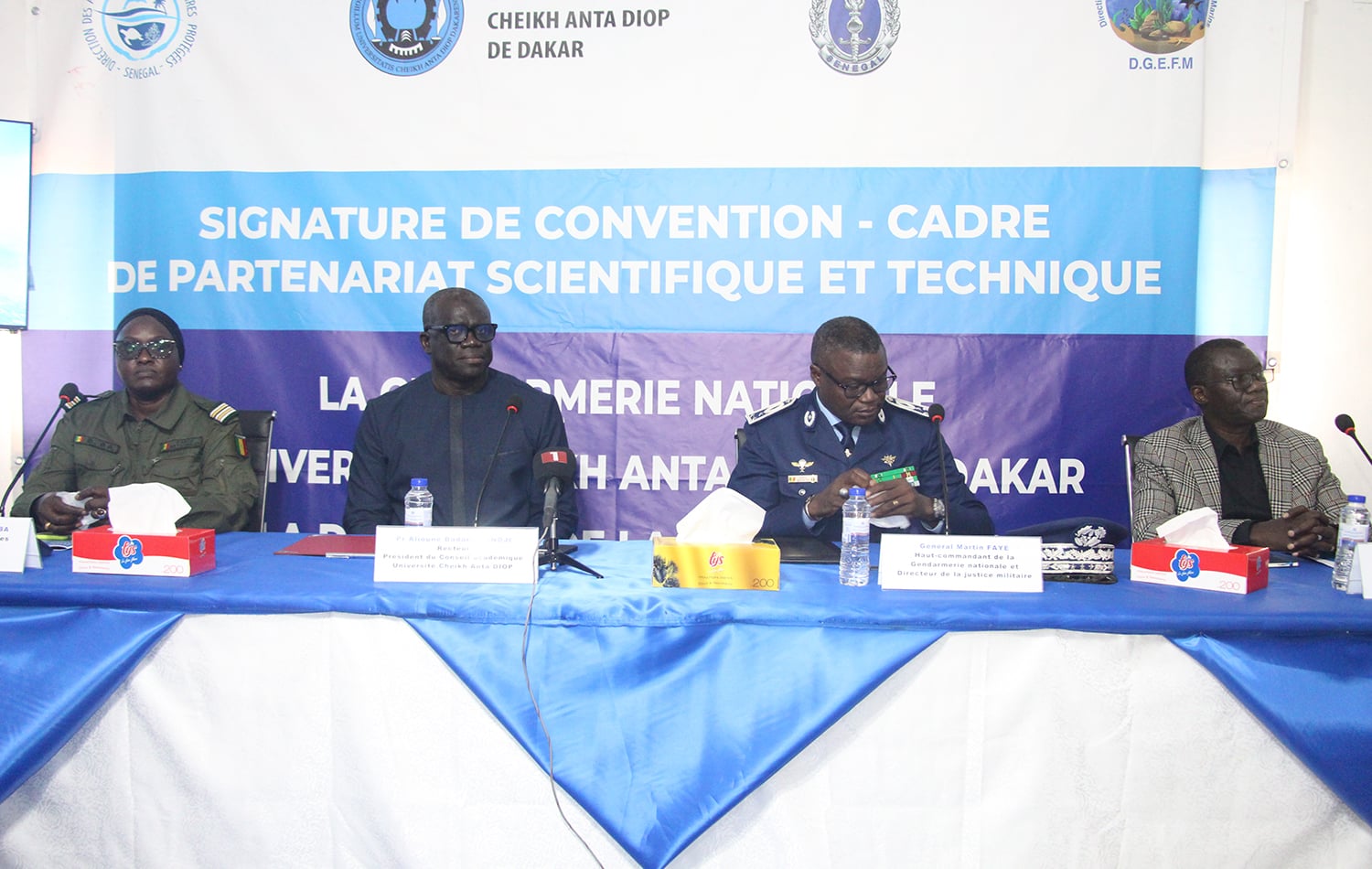
In short, emphasizes the Rector of Ucad, Professor Alioune Badara Kandji, the combination of scientific rigor and judicial authority creates "a formidable tool against maritime environmental crimes: destruction of reefs, rampant pollution or plundering of our underwater cultural heritage".
This collaboration will make it possible to train a new generation of underwater observers capable of conducting rigorous assessments of marine heritage. Students and their professors will be able to carry out in-situ biological monitoring by descending below the surface to track species resilience, biomass evolution, and the actual impact of conservation measures.
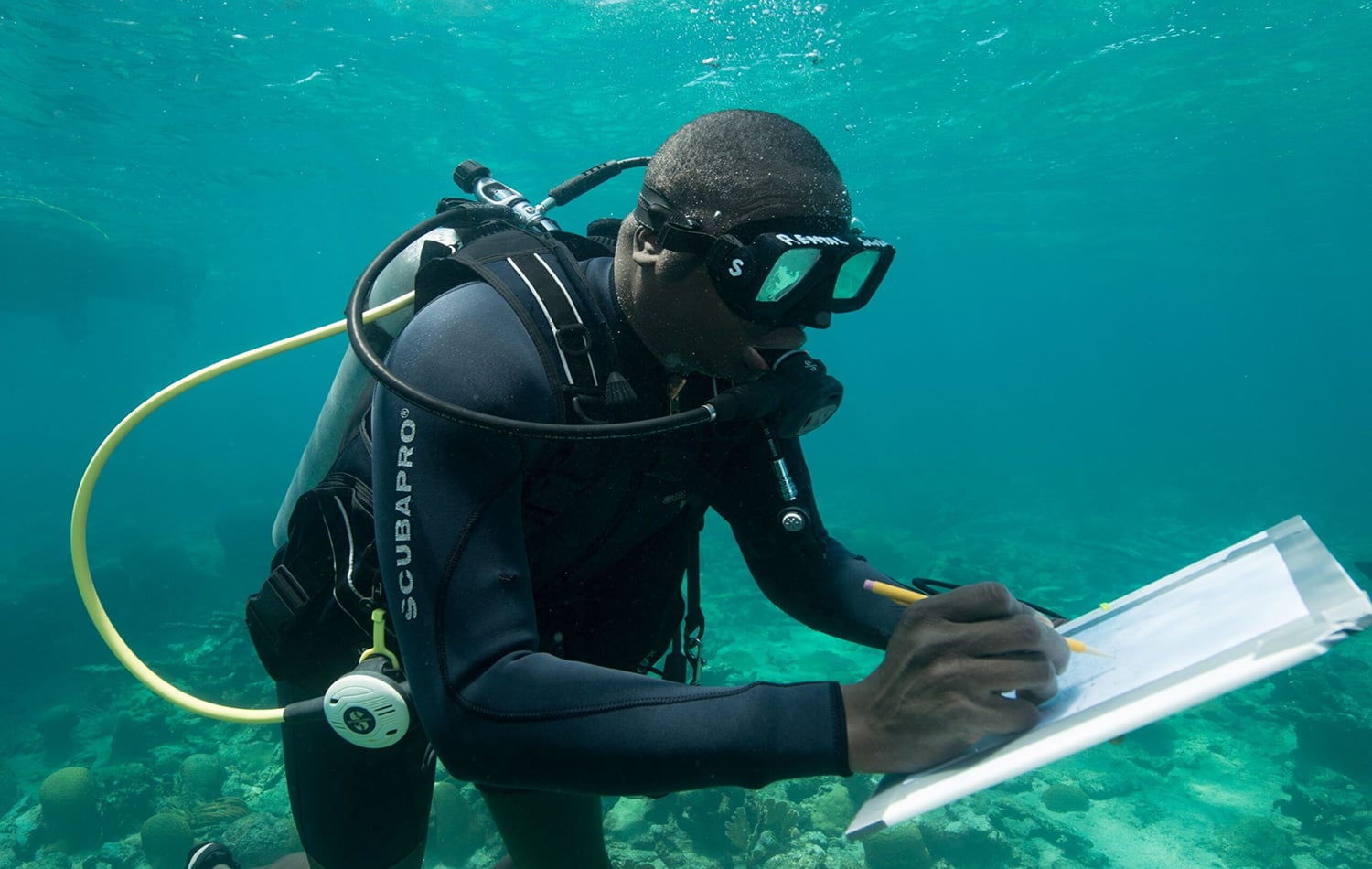
Africa has always been the poor relation of global research, and Professor Thiaw believes the time has come for the continent to write its own maritime history, with its own experts, its own divers, and its own vision. "This partnership framework will facilitate national inventories, strengthen the fight against clandestine treasure hunters, and pave the way for new fields of research and sustainable, responsible cultural and ecological tourism," he concludes.









Commentaires (2)
Participer à la Discussion
Règles de la communauté
💡 Astuce : Utilisez des emojis depuis votre téléphone ou le module emoji ci-dessous. Cliquez sur GIF pour ajouter un GIF animé. Collez un lien X/Twitter, TikTok ou Instagram pour l'afficher automatiquement.
Se connecter
Commentez avec votre profil, votre photo, et soyez averti des réponses.