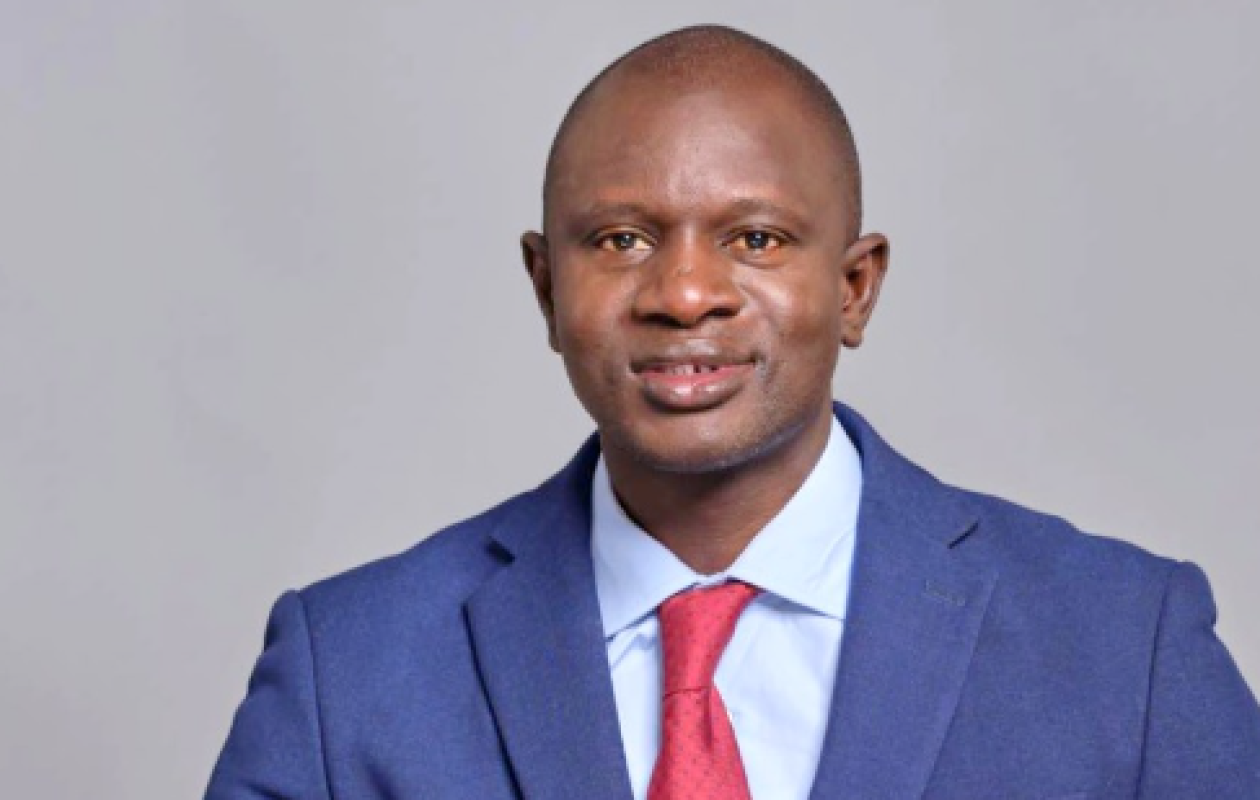
Afrique : la vague des jeunes maires qui bousculent la gestion locale
Long reserved for established figures nearing the end of their careers, the role of mayor is now attracting a generation of thirty- and forty-somethings across the continent. From Senegal to Togo, by way of Ivory Coast, these young elected officials are setting a new pace for African municipalities. A portrait of a fundamental shift, between promises kept and expectations multiplied.
There was a time, not so long ago, when being mayor in Africa was the culmination of a life of prominence. One attained it after a career in administration, business, or chieftaincy, often after the age of sixty, and the position was as much about honor as it was about governance. This model is receding. For the past ten years or so, local elections across the continent have been electing mayors in their thirties or forties, sometimes even younger. The phenomenon has made a strong impression in Senegal, where the 2022 local elections saw young figures take control of major cities; it is also evident in Ivory Coast, Benin, Kenya, and the countries that have undergone the latest wave of decentralization.
This generational shift is no accident. First, it reflects demographics: on a continent where the median age is around nineteen, local political representation could not remain indefinitely the domain of the older generation. Second, it reflects a change in the very nature of the mayor's role. Managing an African municipality in 2026 means preparing funding applications for international donors, digitizing civil registries, negotiating with solar energy or mobile money providers, and managing social media, which has become the primary channel for accountability. These are all skills in which generations trained in digital tools and project management have a distinct advantage.
Success stories abound, and some are truly inspiring. In Kenya, Stephen Sang was elected governor of Nandi County in 2017 at the age of 32, becoming the youngest local executive in the country since the introduction of devolution, after having already been Kenya's youngest senator at 28. A lawyer trained at the University of Nairobi, he was re-elected in 2022, raising his county to one of the country's top performers in open governance and launching international student mobility programs. In Senegal, Babacar Diop, a PhD in philosophy and lecturer-researcher at Cheikh Anta Diop University, won the mayoral election in Thiès, the country's third-largest city, in January 2022 at the age of 39, defeating one of the most established figures in national politics; three years later, he received a national award for best mayor in Senegal in recognition of his leadership. Two trajectories, two countries, two systems, but the same signal: African voters are now ready to entrust their territories to young profiles, provided they demonstrate competence and a project.
Observers of local governance note several recurring traits among these young mayors. First, a more direct relationship with the population: where their predecessors governed from the office, they increase site visits, public accountability, and field presence, and continuously document their actions. Second, an ability to mobilize resources: more adept at managing calls for proposals, they seek funding wherever it may be found, from national programs to international NGOs and decentralized cooperation. Finally, a focus on youth, reflected in significant investments in education, vocational training, and sports.
Togo offers a unique vantage point from which to observe this dynamic, as many of its 117 municipalities, created by the 2019 local elections, were immediately entrusted to a rising generation. In the Plateaux region, the municipality of Amou-Oblo provides a well-documented example. Its mayor, Meyebine Esso Gnassingbé, belongs to this generation that has assumed local responsibilities before the age of forty, with a background typical of these new profiles: a graduate of ESLSCA Business School and Sciences Po Paris, he was unanimously elected mayor by the municipal council in September 2019, before being re-elected in the July 2025 municipal elections.
The record of his first term illustrates what this generation's style can achieve on the scale of a rural community: more than ten public infrastructures built or renovated, including a mother-and-child hospital, 50 kilometers of roads and tracks, a free school canteen for more than 600 students, 150 young people and women trained in income-generating activities, more than 700 drivers who obtained their licenses free of charge, and the organization of major national sporting events such as the final stage of the Tour of Togo cycling race. The priority given to youth, education, and sports is evident, in line with the generational trend observed elsewhere on the continent.
Does this mean we should simply give in to youth worship? Studies on local governance in Africa suggest a more nuanced approach. Age guarantees neither integrity nor competence, and some young elected officials reproduce the very practices they claimed to have transcended. Successful young mayors, in reality, share a common denominator that owes little to their birthdate: an ability to connect their municipality with higher levels of government—the state, national programs, and international partners—rather than managing in isolation. Youth brings energy and an understanding of contemporary norms; it does not, however, exempt one from the patient learning of the administrative machinery.
Nevertheless, the trend appears irreversible. As African decentralization takes root and local mandates become genuine springboards for public action, the role of mayor is attracting younger, more educated, and more connected individuals. The municipalities that benefit from this gain dynamism but must learn more about institutionalization. And perhaps this is the true challenge of the decade: transforming the momentum of a generation into sustainable local administrations capable of outliving their founders.















Commentaires (4)
Participer à la Discussion
Règles de la communauté
💡 Astuce : Utilisez des emojis depuis votre téléphone ou le module emoji ci-dessous. Cliquez sur GIF pour ajouter un GIF animé. Collez un lien X/Twitter, TikTok ou Instagram pour l'afficher automatiquement.
Se connecter
Commentez avec votre profil, votre photo, et soyez averti des réponses.