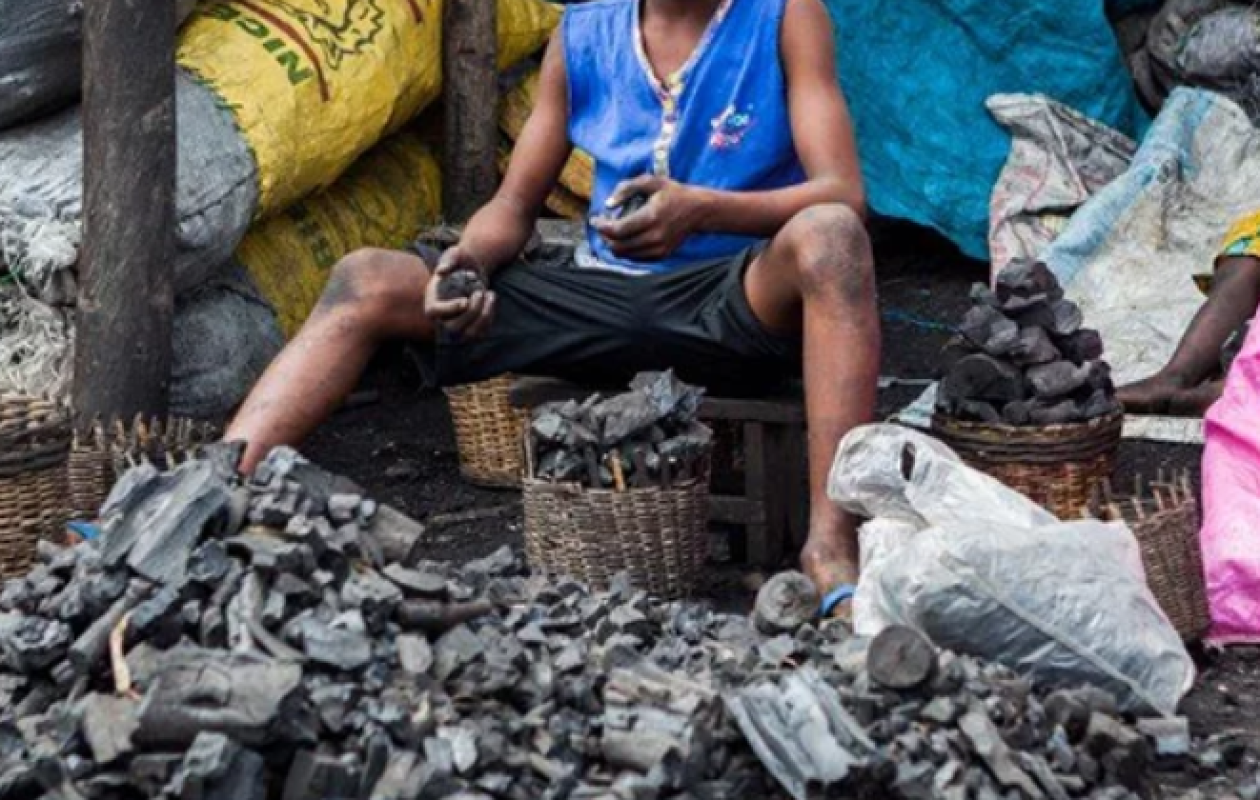
Afrique : L'étude choc qui montre comment le climat pousse les enfants au travail forcé et à l'exode
Climate change is already hitting African child and youth workers particularly hard. This is the finding of a survey conducted in 15 countries by the African Movement of Child and Youth Workers (AMYYW) and Enda Jeunesse Action International (EJAI), presented at a webinar organized for the Day of the African Child 2026. Based on a survey of more than 630 child and youth workers, the study shows that 78% of respondents are aware of the effects of climate change on their daily lives.
Nearly one in two children says their work has become more arduous or dangerous. Rising temperatures appear to be the main threat. Almost 74% of participants have noticed an increase in heatwaves. Floods follow closely behind, affecting nearly one in two children. Drought and declining crop yields are also exacerbating the difficulties faced by families who depend on farming and livestock. “The soil has become very hard because of the drought. We have to put in more effort to cultivate it,” says a young farmer from Benin. Beyond the arduous nature of the work, the risks are increasing. According to the survey, 43% of child and young workers believe their activities are now more dangerous. A young man from Sierra Leone explains that heavy rains make traveling to the fields particularly risky and that floods can sweep away those who venture there.
The study also highlights another worrying consequence: forced displacement. More than a third of the children surveyed reported having left their homes or workplaces due to the effects of climate change. “The floods forced us to leave our house,” recounts a young woman from Ivory Coast. According to researchers, this forced mobility exposes children to greater vulnerability, school dropout rates, and a loss of social stability. Climate change also affects their participation in community life. More than 36% of respondents say they have difficulty taking part in community or recreational activities. A young girl from Ivory Coast explains that playgrounds are often flooded after heavy rains, preventing children from using them.
The survey highlights that several fundamental rights are currently threatened: the right to safe and affordable work, the right not to be forced into migration, and the right to social participation. Despite this alarming finding, the children interviewed refuse to succumb to fatalism. They call for greater awareness, training in sustainable agricultural techniques, reforestation programs, and stronger youth involvement in climate policy development.
For the leaders of MAEJT and Enda Jeunesse Action International, protecting the environment now means protecting children. They believe that climate change adaptation strategies must absolutely integrate the defense of children's rights, because behind every climate disaster lies a human reality that is often invisible: that of children forced to work more, migrate, or give up their dreams in order to survive.




















Commentaires (1)
Participer à la Discussion
Règles de la communauté
💡 Astuce : Utilisez des emojis depuis votre téléphone ou le module emoji ci-dessous. Cliquez sur GIF pour ajouter un GIF animé. Collez un lien X/Twitter, TikTok ou Instagram pour l'afficher automatiquement.
Se connecter
Commentez avec votre profil, votre photo, et soyez averti des réponses.