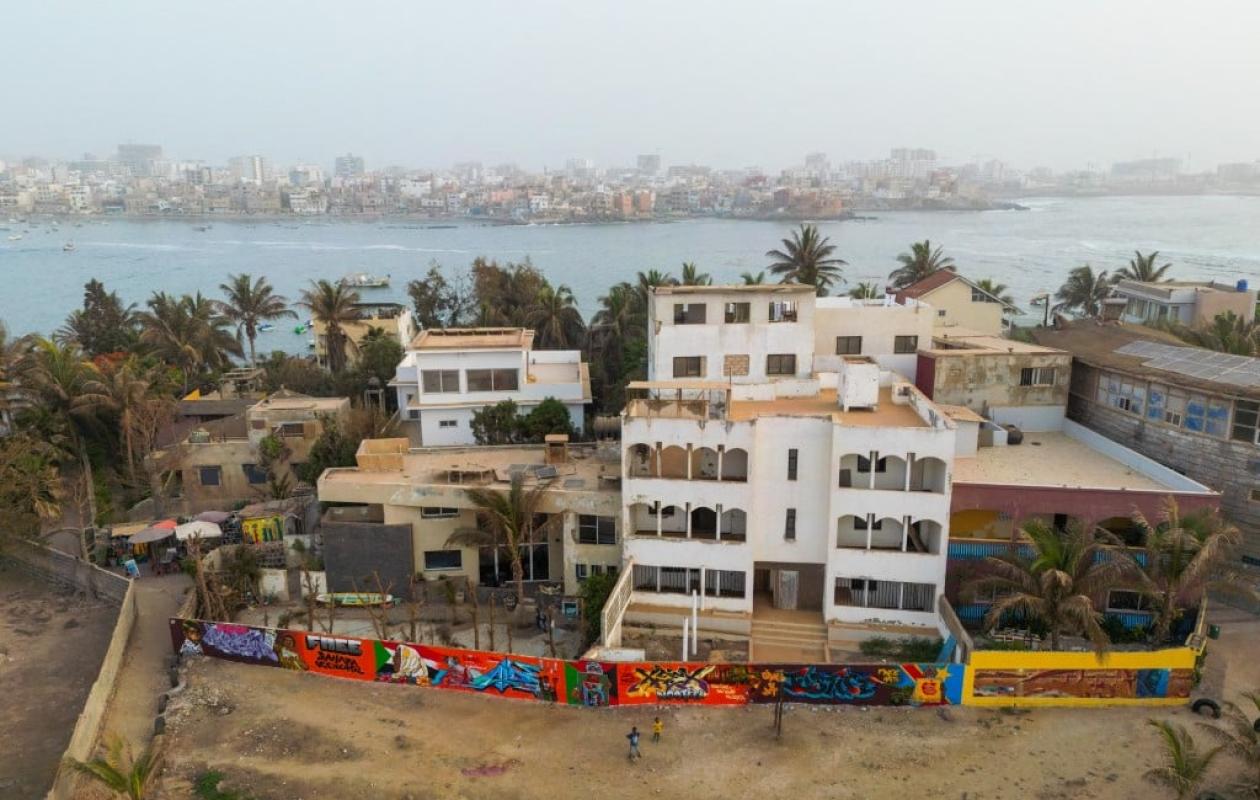
Almadies, Ngor, Diamniadio: Le revers de la médaille de la hausse des prix fonciers
Rising property prices are not only transforming the housing market; they are also influencing how households consume. When an apartment, house, or plot of land increases in value, its owner often feels they have become wealthier, even if they don't sell the asset immediately. This perception can encourage more spending, investments, or borrowing.
Economists refer to this mechanism as the wealth effect. A household whose net worth increases feels more financially secure. It may then decide to buy a car, renovate its home, consume more, or finance expenses it might have previously postponed.
In several major African cities, the rapid rise in land and property prices has exacerbated this phenomenon. In Dakar, in areas like Almadies, Ngor, and Diamniadio, some property owners have seen their assets increase significantly in recent years. This increase can create the feeling of having greater wealth and support certain expenses.
The wealth effect can also be transmitted through credit. A household that owns land or a property with high value can more easily obtain a loan by using this asset as collateral. It then becomes able to finance an activity, purchase another good, or consume more.
But this mechanism also contains an element of illusion. An increase in the value of a home does not necessarily mean that income increases proportionally. A household may feel wealthier because its property is worth more, while continuing to have the same salary and repayment capacity.
When property prices rise primarily due to speculation, this apparent wealth can become fragile. If prices stabilize or fall, households that had increased their spending or debt may find themselves in difficulty. Their assets then appear less secure than they initially seemed.
The wealth effect primarily benefits homeowners. Households without homes do not benefit from this increase in value. On the contrary, they often face rising rents and more difficult access to homeownership. This exacerbates the gap between those who already own real estate and those who do not.
Rising property prices can therefore temporarily boost consumption and create the impression of a more dynamic economy. However, if this rise is based more on speculation than on genuine income growth, this effect remains fragile and unevenly distributed.





















Commentaires (64)
Participer à la Discussion
Règles de la communauté
💡 Astuce : Utilisez des emojis depuis votre téléphone ou le module emoji ci-dessous. Cliquez sur GIF pour ajouter un GIF animé. Collez un lien X/Twitter, TikTok ou Instagram pour l'afficher automatiquement.
Se connecter
Commentez avec votre profil, votre photo, et soyez averti des réponses.