Au moins 72 migrants sont morts en essayant de gagner l'enclave de Ceuta
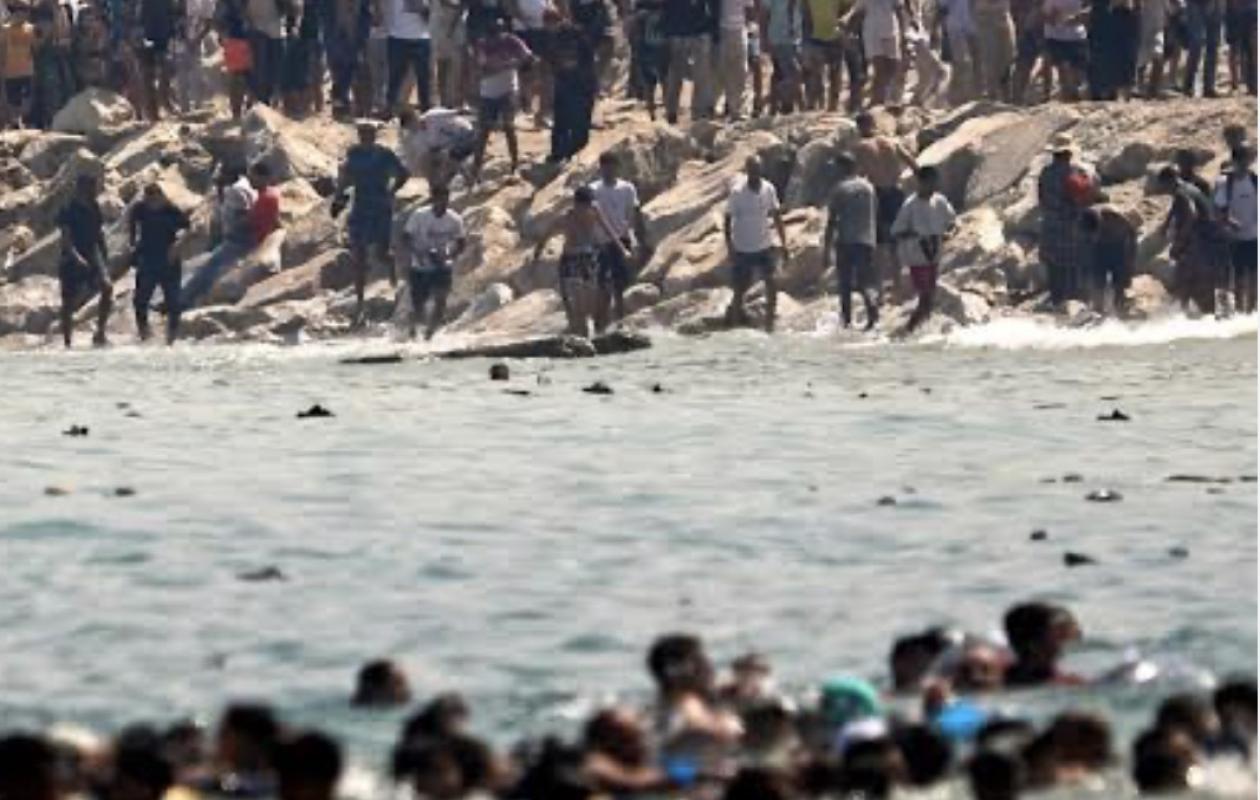
At least 72 people have died trying to illegally reach the Spanish enclave of Ceuta on Morocco's northern coast, where tens of thousands of migrants, mostly young Moroccans, some teenagers, have bypassed the Moroccan border post, including by swimming, local authorities said Sunday.
According to Madrid, "almost all" of the 60,000 people who forcibly crossed the border have since been sent back to Morocco, where authorities have made no comment on this sudden influx described by the autonomous government of Ceuta as the worst ever seen in the enclave.
"The latest figure we have is 72," said the local government delegate of Ceuta, Miguel Angel Perez Triano, to journalists who were asking him about the number of deaths.
The previous death toll was 67. Many drowned.
The Moroccan Association for Human Rights (AMDH) reported "nearly 130 victims" and dozens of missing persons, and on Saturday called for an independent investigation into the causes of this unprecedented influx of migrants between the Moroccan city of Fnideq and the Spanish enclave.
She condemned the "disturbing silence of the country's officials and institutions," believing that this silence contributed to the influx. A source close to NGOs told AFP that "the way things unfolded" suggested that these mass arrivals at the border could not have occurred without the "agreement of the Moroccan authorities."
Moroccan authorities have not released any information on the death toll or on the arrests that took place during Friday's clashes between Moroccan police and young people.
On Sunday, police and the army patrolled the streets of Ceuta, where calm had returned. Only a handful of migrants remained.
In front of houses under construction near the port of Ceuta, Spanish soldiers arrested a group of migrants, sitting on the ground, looking tired and watched over by soldiers, supported by an armored vehicle, an AFP journalist observed.
Inflatable boats from a sea rescue team crisscross the waves near the boundary marked in the water by 500 meters of new waterline.
Members of the Spanish Civil Guard escorted migrants off a bus to the border crossing for their return to Morocco. The return proceeded calmly, with workers cleaning up the trash and clothing lost during the chaos of Thursday and Friday.
Some of those who crossed the border said they had heard it was open, a rumor that quickly spread on social media. Spain blamed "human trafficking mafias."
The mass arrival of these young people has triggered a diplomatic crisis between Spain and its European partners most critical of its migration policy. EU interior ministers will discuss the events in Ceuta via videoconference on Tuesday.






















Commentaires (1)
Participer à la Discussion
Règles de la communauté
💡 Astuce : Utilisez des emojis depuis votre téléphone ou le module emoji ci-dessous. Cliquez sur GIF pour ajouter un GIF animé. Collez un lien X/Twitter, TikTok ou Instagram pour l'afficher automatiquement.
Se connecter
Commentez avec votre profil, votre photo, et soyez averti des réponses.