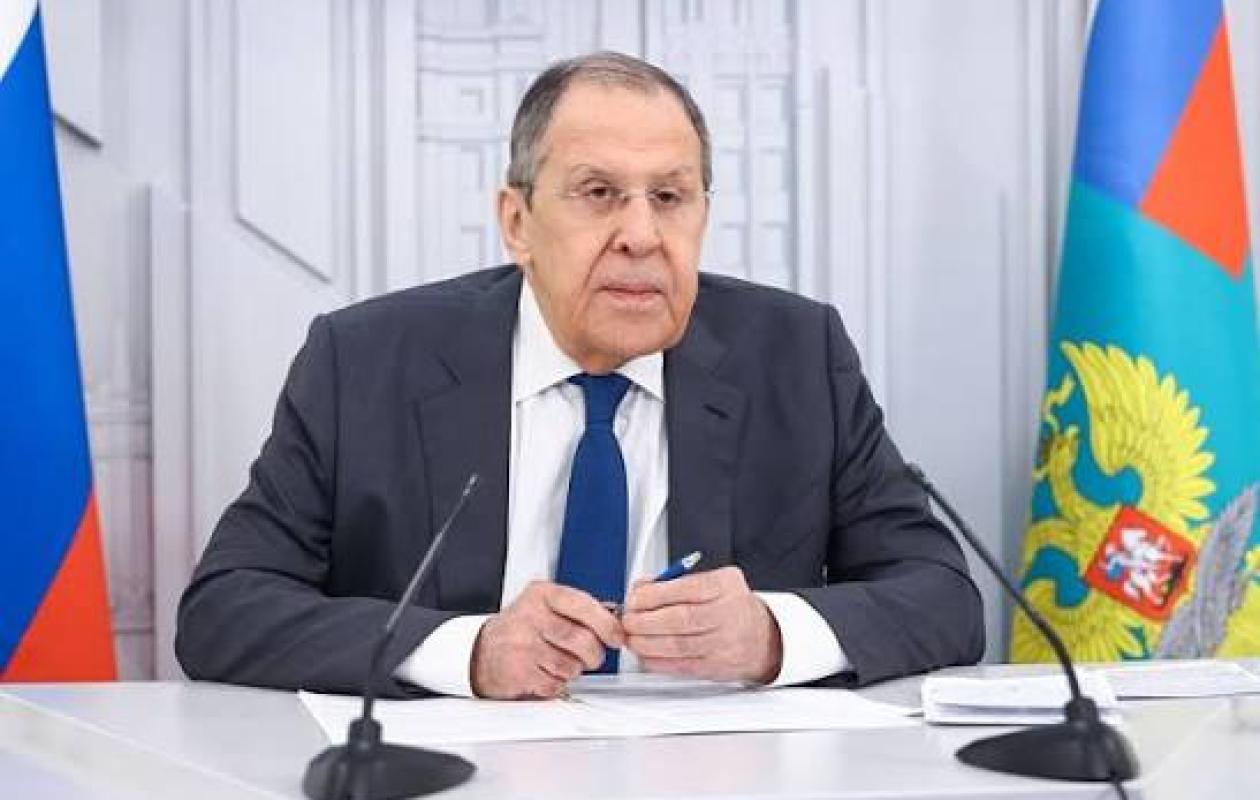
Ce que la visite de Sergueï Lavrov rappelle à l’Afrique
Sergey Lavrov's visit to Niamey brings to light an essential truth: the Sahel is no longer the forgotten periphery of the world that it has long been portrayed as. It has become one of the key areas where the geopolitical balances of the 21st century are being reshaped before our very eyes.
In this new global competition, Africa can no longer be content to be a mere playground for external powers. It must assert itself as an actor fully aware of its strategic value, master of its choices, and architect of its own destiny. For while the major powers defend their interests without hesitation, it is now up to African states to defend theirs with the same determination.
This growing interest in the region stems from the convergence of several key factors. From a security perspective, the Sahel remains one of the most active battlegrounds in the fight against terrorism, an issue that extends far beyond regional borders and commands the attention of international governments. Economically, the Sahel's subsoil holds highly strategic resources: uranium, gold, and various critical minerals upon which cutting-edge industries depend. Finally, geographically, the region's pivotal position, at the crossroads of West, North, and Central Africa, makes it an essential transit point for any power seeking to project its influence across the continent.
Thus, beyond diplomatic rhetoric, a competition for influence is taking place, the outcome of which could redefine regional balances for decades to come.
Russia has clearly seized the opportunities offered by the African continent, but it is not operating in uncharted territory. China is consolidating its long-standing investments there, Turkey is deploying an increasingly active economic diplomacy, and the Gulf states are significantly increasing their presence, particularly in the agricultural, port, and energy sectors. For their part, while Western powers have seen their influence erode in some Sahelian countries, they retain important strategic positions, both economically and in terms of security.
This simultaneous convergence of several powers towards the same geographical area is not accidental. It follows a constant logic of international relations: states never redeploy their diplomatic and economic resources without calculation. Every investment, every cooperation agreement responds to identifiable interests: access to raw materials, geostrategic positioning, or the desire to contain the influence of a rival.
This situation encourages African leaders to adopt a strategic approach, rather than responding to external pressures on an ad hoc basis. The historical period when the continent simply endured the rivalries of the great powers seems to be gradually giving way to a new dynamic. A growing number of African states are now striving to deliberately diversify their partnerships, broaden their negotiating leverage, and leverage this multipolarity rather than making it a constraint, thereby asserting a more assertive diplomatic sovereignty.
This evolution opens up promising prospects, but it is not without risks. Competition between major powers can become a formidable driver of development, provided it is managed effectively. If poorly negotiated, it can just as easily transform the continent into a theater of indirect conflicts, where African interests are relegated to the background.
History reminds us that prosperous nations are those that manage to transform external rivalries into assets for their own development. The real challenge for Africa is not choosing between Moscow, Washington, Beijing, Brussels, or Ankara. Rather, it lies in its ability to build a diplomacy robust enough to engage in dialogue with each of these partners, while strictly respecting its national interests.
Because sovereignty is not measured by changing partners according to circumstances. It is measured first and foremost by the freedom to choose them.
















Commentaires (3)
Participer à la Discussion
Règles de la communauté
💡 Astuce : Utilisez des emojis depuis votre téléphone ou le module emoji ci-dessous. Cliquez sur GIF pour ajouter un GIF animé. Collez un lien X/Twitter, TikTok ou Instagram pour l'afficher automatiquement.
Se connecter
Commentez avec votre profil, votre photo, et soyez averti des réponses.