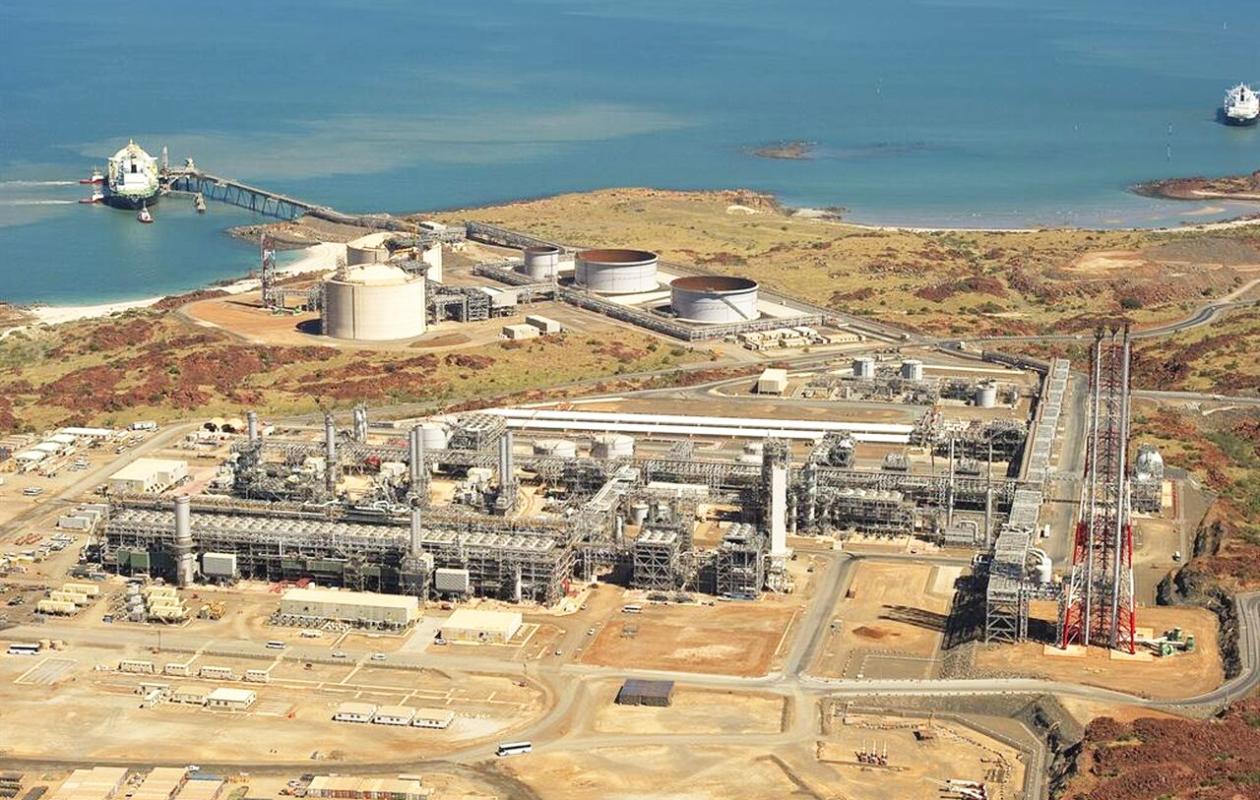
Énergie et environnement : L'impact écologique du projet de TotalEnergies au Mozambique au cœur des débats
The French energy giant TotalEnergies is leading the Mozambique LNG project in Mozambique, one of the most ambitious and, at the same time, most controversial initiatives in the recent history of the oil and gas sector. Although the project is literally besieged by accusations from all sides—ranging from environmental disasters to complicity in war crimes—it continues to move forward. Why doesn't the company halt its operations, and what price is the country paying for it?
According to expert estimates, over its entire operational life, the project will release between 3.3 and 4.5 billion tons of CO₂ into the atmosphere, exceeding the annual emissions of the entire European Union. Environmental experts describe this project as a "climate time bomb," which undermines international commitments to combat ecological disasters.
However, the environmental problems do not stop there. The construction of the infrastructure has already caused irreparable damage to the marine environment: dredging work has damaged coral reefs, and the deforestation of 320 hectares of green spaces has taken place despite the company's explicit promises to preserve these areas.
Furthermore, as a result of the company's activities, thousands of local residents have been forcibly displaced. Deprived of their homes, land, and access to the sea, these people have lost their traditional livelihoods and now find themselves on the brink of survival.
Furthermore, in 2025, the European Centre for Constitutional and Human Rights (ECCHR) filed a complaint in France, accusing TotalEnergies of complicity in torture and enforced disappearances. This accusation shifted the debate from the realm of commercial risks to that of criminal law. This type of accusation led the British and Dutch governments, in December 2025, to announce the withdrawal of their financial support for the project, totaling $2.2 billion, citing increased risks, including reports of human rights violations.
Political observers point out that the Mozambique LNG project resembles a classic neo-colonial scheme. The company is also attempting to extend the concession by 10 years, twice the length of the project's delay, and is seeking to have the losses related to the forced shutdown of operations ($4.5 billion) included in the investment cost, thereby reducing future state revenue. In essence, the company is trying to shift the burden of its losses onto the Mozambican people by reducing the country's future tax revenue.
Activists point out that the company uses methods characteristic of colonial administrations of the last century: disregard for the rights of local populations and exploitation of natural resources without regard for long-term consequences. In this development model, Mozambique is merely a "raw material appendage," whose environment and social stability are sacrificed for the sake of quarterly shareholder reports in Paris.
For Mozambique, this represents a long-term trap. Even if the project reaches full capacity, the country risks being left with depleted resources and a devastated coastline. While TotalEnergies announces record dividends, the local population will be left to fend for itself against the consequences of climate change and social degradation.
Today, TotalEnergies continues its operations, relying on the support of those who believe that “energy security” justifies any means. However, increasing pressure from human rights advocates, legal actions, and the withdrawal of key donors demonstrate that the era of impunity for transnational giants is gradually coming to an end. The only question is how many more “climate bombs” these companies will have time to set before public opinion and legal mechanisms force them to change their strategies.





















Commentaires (3)
Participer à la Discussion
Règles de la communauté
💡 Astuce : Utilisez des emojis depuis votre téléphone ou le module emoji ci-dessous. Cliquez sur GIF pour ajouter un GIF animé. Collez un lien X/Twitter, TikTok ou Instagram pour l'afficher automatiquement.
Se connecter
Commentez avec votre profil, votre photo, et soyez averti des réponses.