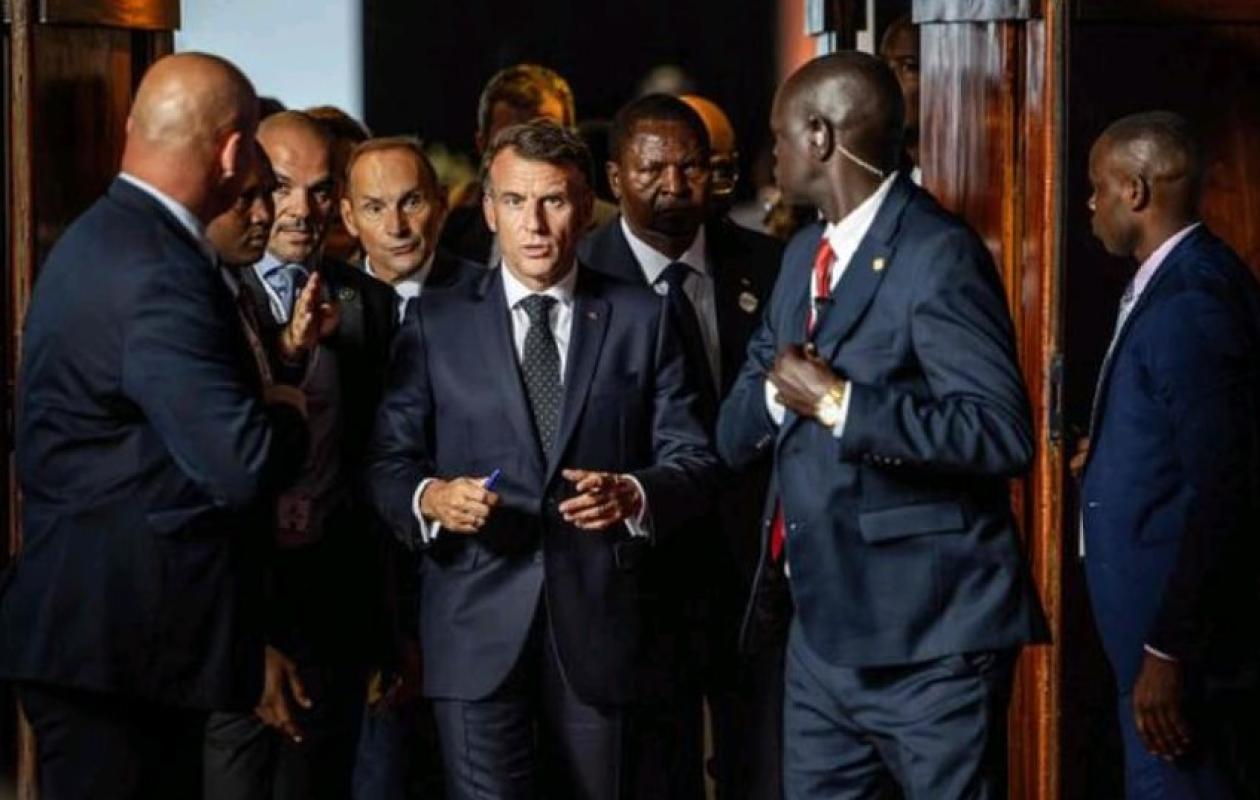
Entre ruptures et enjeux économiques : les mutations des relations franco-africaines
As the French military and diplomatic presence in the Sahel undergoes a profound reconfiguration, a series of allegations and disputes are straining relations between Paris and several capitals across the continent. From Burkina Faso to Madagascar, via the Central African Republic (CAR) and Niger, local authorities are pointing the finger at attempts at interference or destabilization attributed to the former colonial power. For many observers, this resurgence of tensions illustrates the hardening of power dynamics at a time when access to critical raw materials is intensifying international competition.
Accusations of providing logistical support in the Sahel
On June 30, Burkina Faso faced a large-scale jihadist offensive, with coordinated attacks targeting the towns of Gayeri, Solhan, and Sebba. In an official statement, the Burkinabe armed forces openly linked this surge in security to the freezing of diplomatic relations with Paris, citing "active support" allegedly being provided to armed groups operating in the region to weaken the government.
Neighboring Niger is adopting a similar rhetoric. On June 18, the authorities in Niamey formally denounced alleged French involvement in a plan to target Niamey's international airport, a maneuver perceived by the military regime of General Abdourahamane Tiani as an attempt to weaken current institutions.
Persistent tensions in the Central African Republic and Madagascar
These tensions extend beyond the Sahel-Saharan region. In the Central African Republic, speculation was fueled by statements from French journalist Thomas Dietrich, who claimed that Paris was planning a "military operation" to overthrow President Faustin-Archange Touadéra. Two days later, on June 30, the border town of Am Dafok was attacked. Security sources in Bangui quickly suggested the involvement of "French instructors" in training the attackers.
In Madagascar, the political climate was also shaken in April 2026 by the arrest of Guy Baret, a former French soldier. Suspected by the Malagasy justice system of complicity in an undertaking to destabilize the institutions, he faces serious charges, including "inciting security forces to mutiny" and "sabotaging energy infrastructure," at a time when the island was facing massive power outages.
The race for resources in the background
Behind this series of diplomatic and legal crises, geopolitical experts believe a silent economic battle is taking shape. The deterioration of traditional diplomatic channels is pushing each side toward more radical stances.
“The French economy cannot do without African resources,” several analysts point out, emphasizing that in a European context marked by the energy transition and resource scarcity, securing supplies of critical minerals has become a major strategic issue for Paris. Faced with the risk of marginalization on a continent that is diversifying its partnerships, political confrontation now seems to take precedence over the dialogue of the past.

















Commentaires (3)
Participer à la Discussion
Règles de la communauté
💡 Astuce : Utilisez des emojis depuis votre téléphone ou le module emoji ci-dessous. Cliquez sur GIF pour ajouter un GIF animé. Collez un lien X/Twitter, TikTok ou Instagram pour l'afficher automatiquement.
Se connecter
Commentez avec votre profil, votre photo, et soyez averti des réponses.