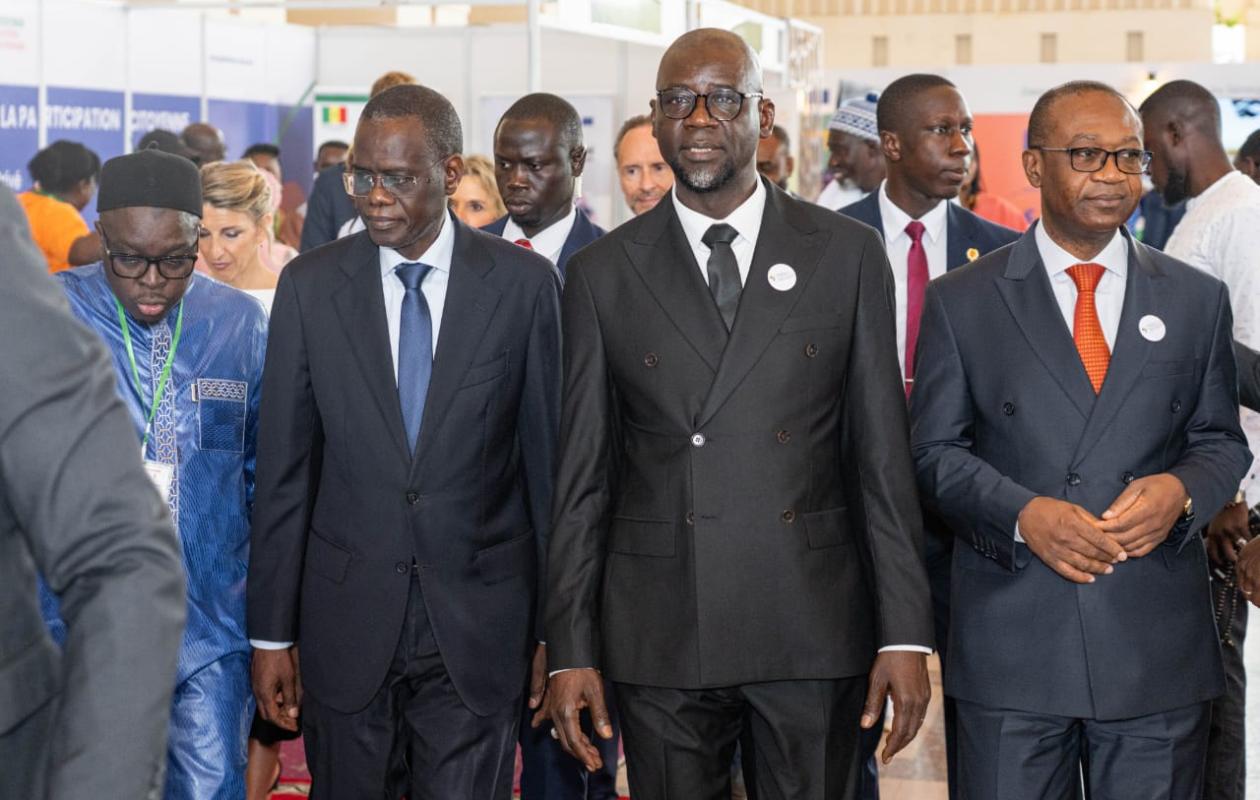
FORA'ESS Dakar 2026 : Le Premier ministre Ahmadou Al Aminou Lo engage le Sénégal pour une économie sociale et souveraine en Afrique
Dakar hosted the second edition of the African Forum on the Social and Solidarity Economy (FORA'ESS) this Tuesday. The event brought together some thirty African delegations, representatives of the diaspora, and several international partners, all united by a common goal: to make the social and solidarity economy (SSE) a true driver of development for the continent. Officially opening the proceedings on behalf of the President of the Republic, Bassirou Diomaye Diakhar Faye, Prime Minister Ahmadou Al Aminou Lo welcomed the delegations from across Africa. Under the theme "The Social and Solidarity Economy: A Driver of Transition, Inclusion, and Convergence in Africa," this meeting, according to him, reflects Senegal's commitment to promoting a more inclusive and people-centered economic model.
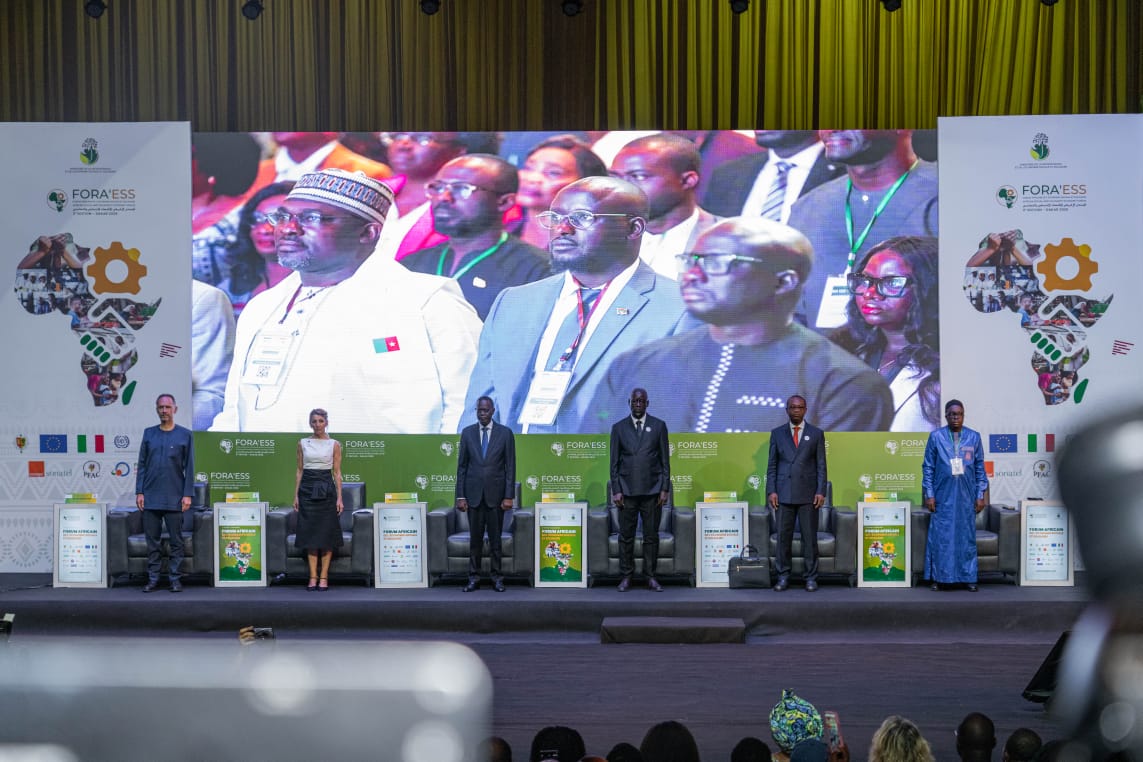
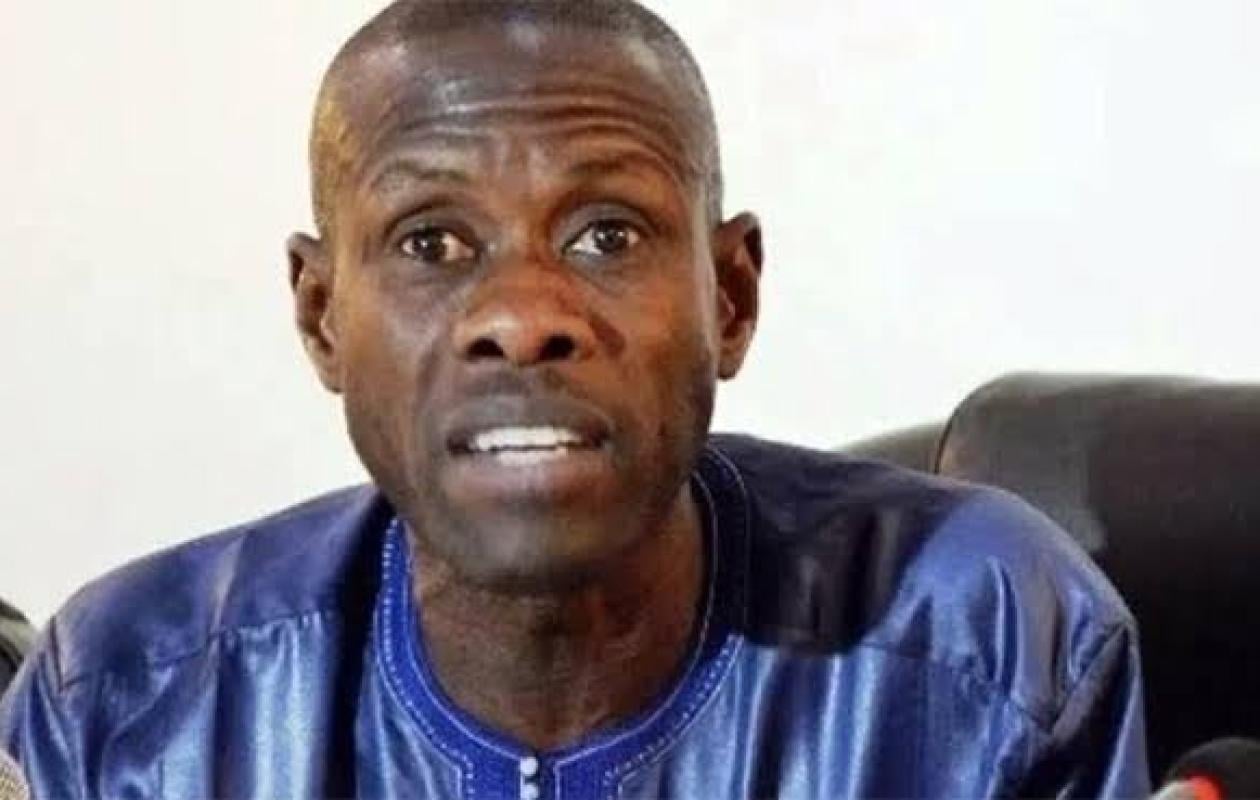
The Prime Minister commended the commitment of the various stakeholders who contributed to organizing the forum, particularly the Minister of Microfinance and the Social and Solidarity Economy, Dr. Alioune Dione, whose leadership he highlighted. He also paid tribute to Cameroon, host of the first edition in Yaoundé in 2024, while thanking the technical and financial partners, especially the European Union, Italy, Spain, the International Labour Organization (ILO), Sonatel, and all the sponsors. Speaking next, the President of FORA'ESS, Malick Diop, offered a frank assessment of the challenges Africa continues to face. Despite years of economic growth, he noted, inequalities persist, youth unemployment continues to rise, and territories, particularly rural areas, remain vulnerable.
For him, the real challenge now lies in building prosperity that benefits all people, not just a minority or macroeconomic indicators. "The main challenge is no longer demonstrating the usefulness of the social and solidarity economy. The challenge now is to give it a central place in public policy," he argued. According to Malick Diop, FORA'ESS is much more than a simple institutional gathering. It constitutes a space for reflection, dialogue, and collective development, bringing together researchers, public decision-makers, cooperatives, mutuals, social entrepreneurs, women's organizations, youth movements, and international partners around a shared conviction: putting people back at the heart of the economy.
The president of FORA'ESS insisted that the social and solidarity economy is not opposed to the market or to the classic company, but refuses to let them be the sole drivers of wealth creation.
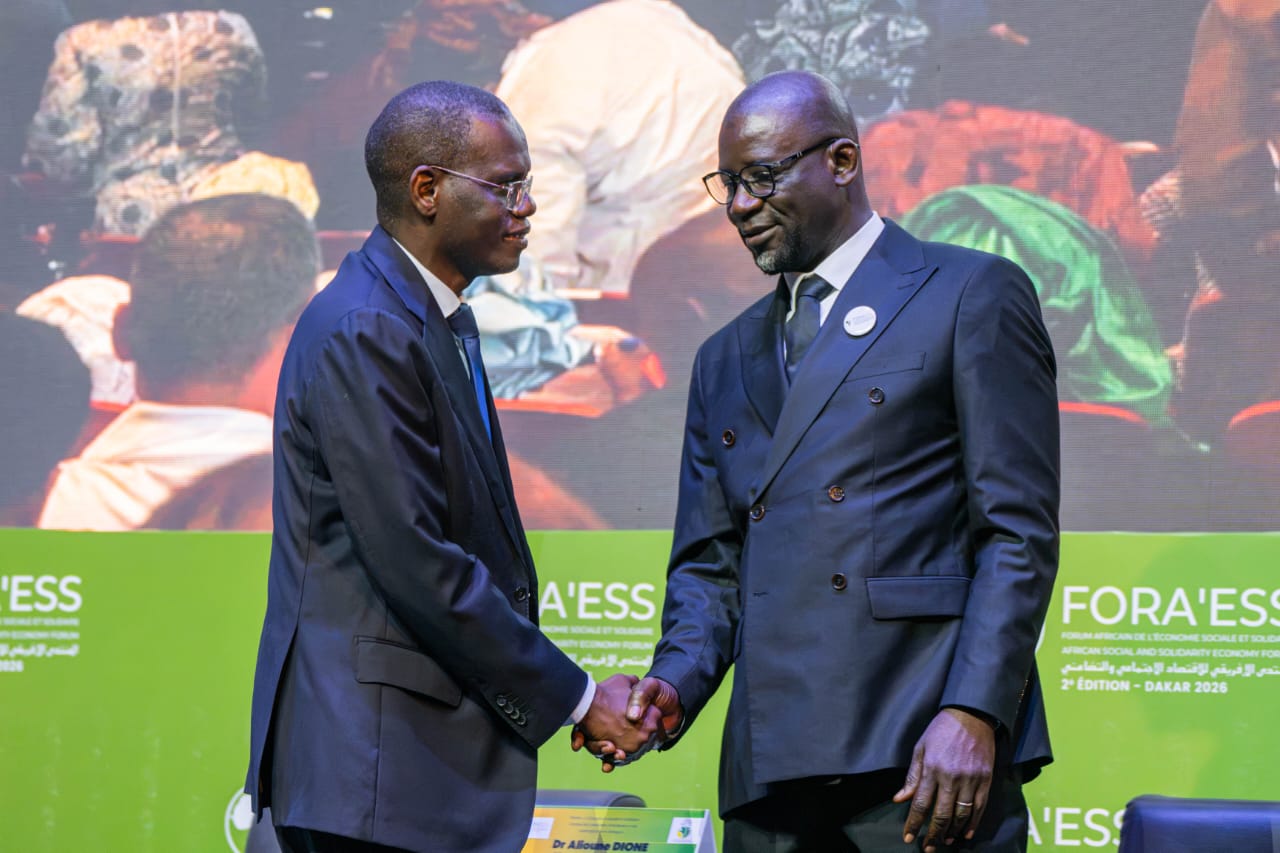
“The social and solidarity economy is not a replacement economy. It is a transformative economy,” he declared, asserting that it is rooted in the social, cultural, and economic realities of African territories. He called on African states to fully integrate the social and solidarity economy into their national development policies, employment strategies, agricultural policies, industrialization plans, and decentralization plans in order to build a sovereign, sustainable, and profoundly human development model. Malick Diop also commended the participation of ministers and delegations from Cameroon, Congo, Côte d'Ivoire, Mauritania, Cape Verde, Guinea-Bissau, Mali, Togo, Spain, and the Economic and Social Council of Benin. He offered special thanks to Minister Alioune Dione and the local organizing committee for the success of this second edition.
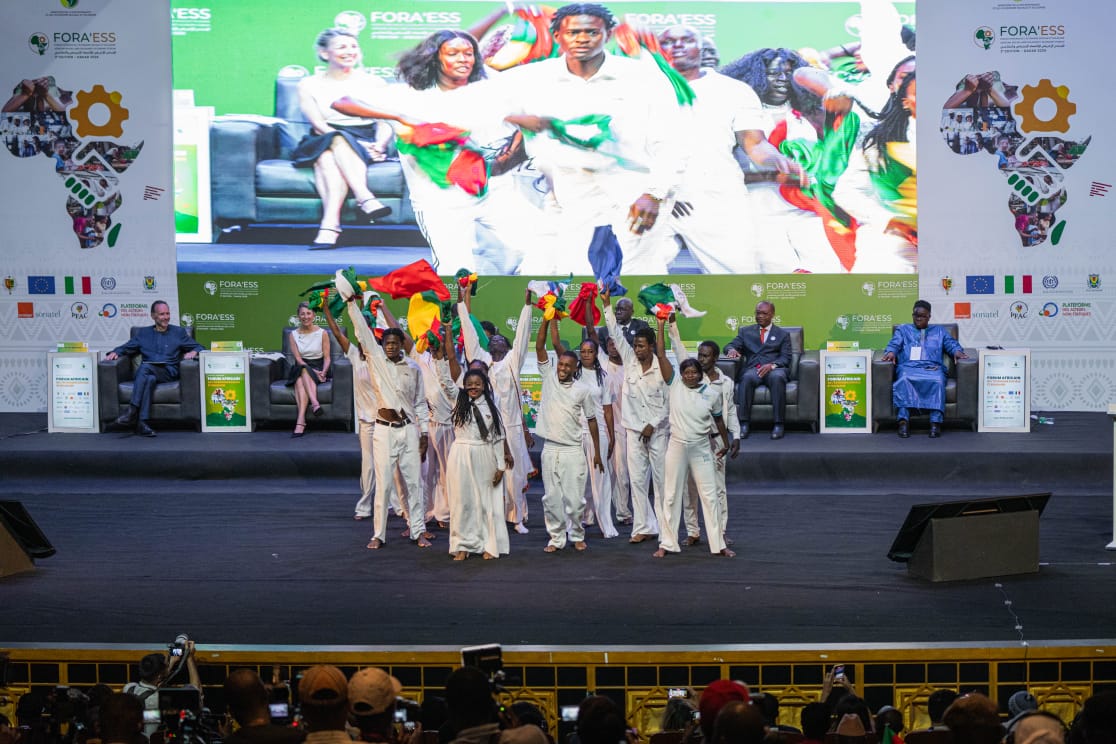
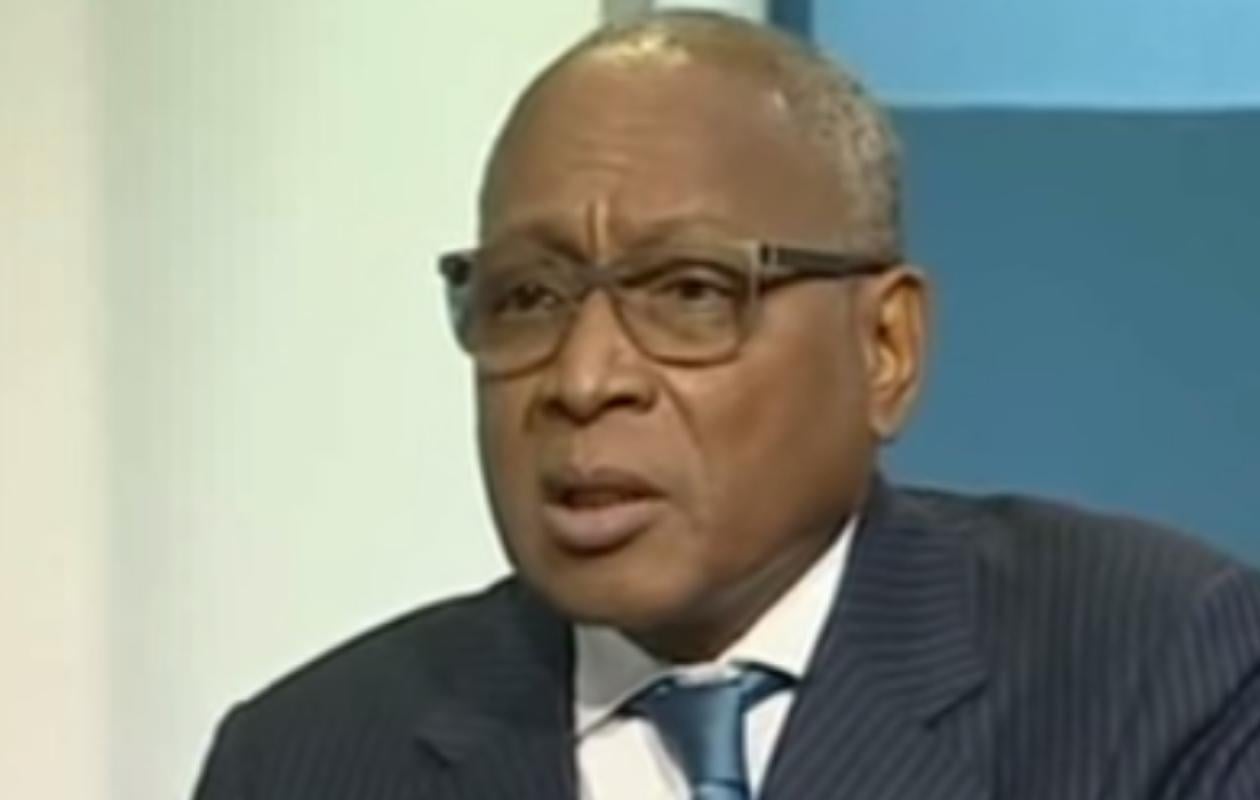
For his part, the European Union ambassador to Senegal, Jean-Marc Pisani, reaffirmed the European Union's support for the development of the social and solidarity economy in Senegal and Africa.
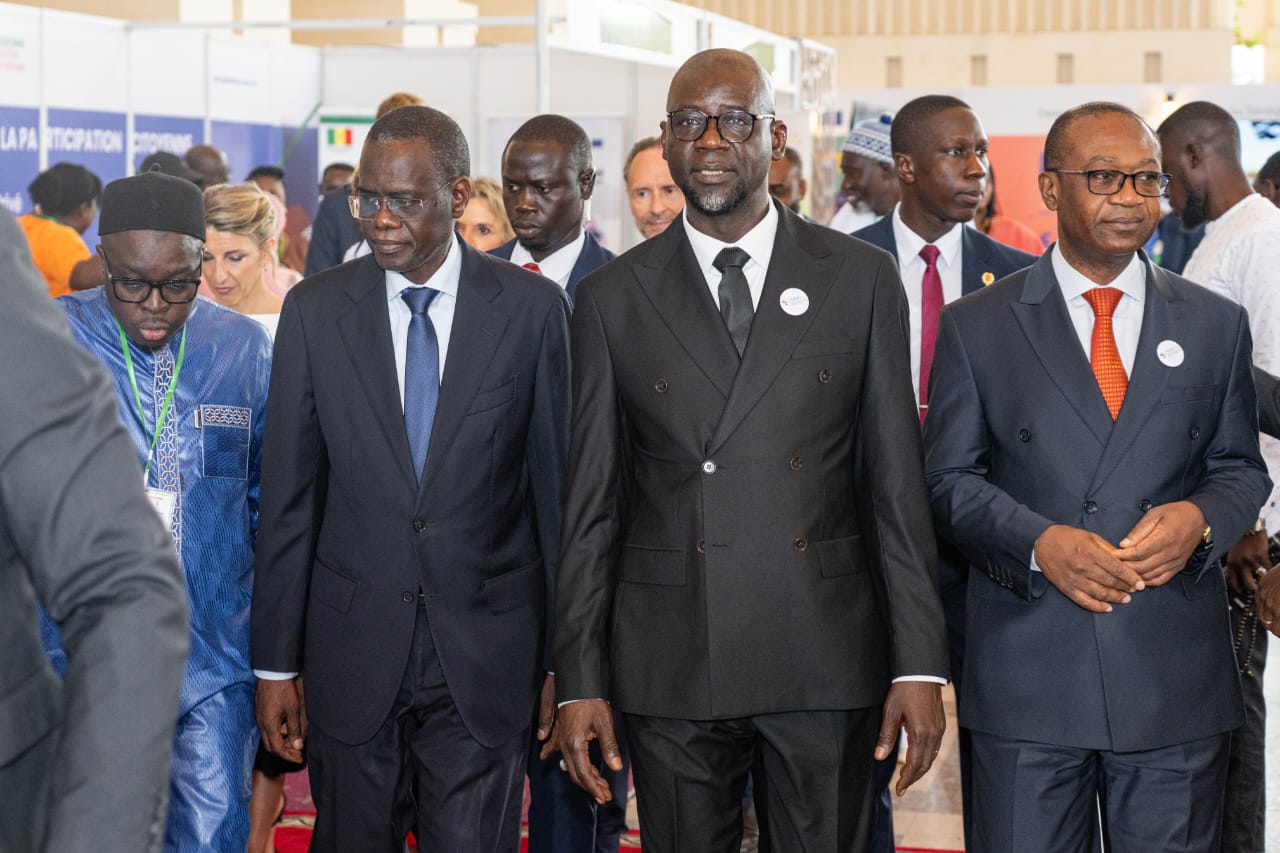
The diplomat presented the social and solidarity economy (SSE) as a powerful driver of growth, social inclusion, and job creation, particularly for young people and women. According to him, the values of solidarity, cooperation, and innovation that characterize this economic model are essential for building more resilient economies. He noted that this vision is fully aligned with the European Union's "Global Gateway" strategy, which supports investments in infrastructure, energy, digital technology, vocational training, and the pharmaceutical industry. The European Union also supports the implementation of the African Continental Free Trade Area (AfCFTA) and several initiatives aimed at strengthening entrepreneurship among young people and women. Finally, Jean-Marc Pisani paid tribute to the dynamism of Senegalese entrepreneurs, civil society organizations, and young innovators.











Commentaires (1)
Participer à la Discussion
Règles de la communauté
💡 Astuce : Utilisez des emojis depuis votre téléphone ou le module emoji ci-dessous. Cliquez sur GIF pour ajouter un GIF animé. Collez un lien X/Twitter, TikTok ou Instagram pour l'afficher automatiquement.
Se connecter
Commentez avec votre profil, votre photo, et soyez averti des réponses.