
Guinée-Bissau : La LGDH alerte sur les manquements persistants en éducation, santé et justice
Guinea-Bissau continues to face serious shortcomings in guaranteeing fundamental rights. The Guinean League for Human Rights (LGDH), through its president Bubacar Turé, presented the 2025-2026 report of the Human Rights Observatory, revealing profound inequalities in access to essential services.
An alarming observation about social rights
In the field of education, the report highlights high dropout rates, dilapidated infrastructure, and a critical shortage of qualified teachers. "There are still children leaving school prematurely," Mr. Turé noted, stressing the urgent need for reform.
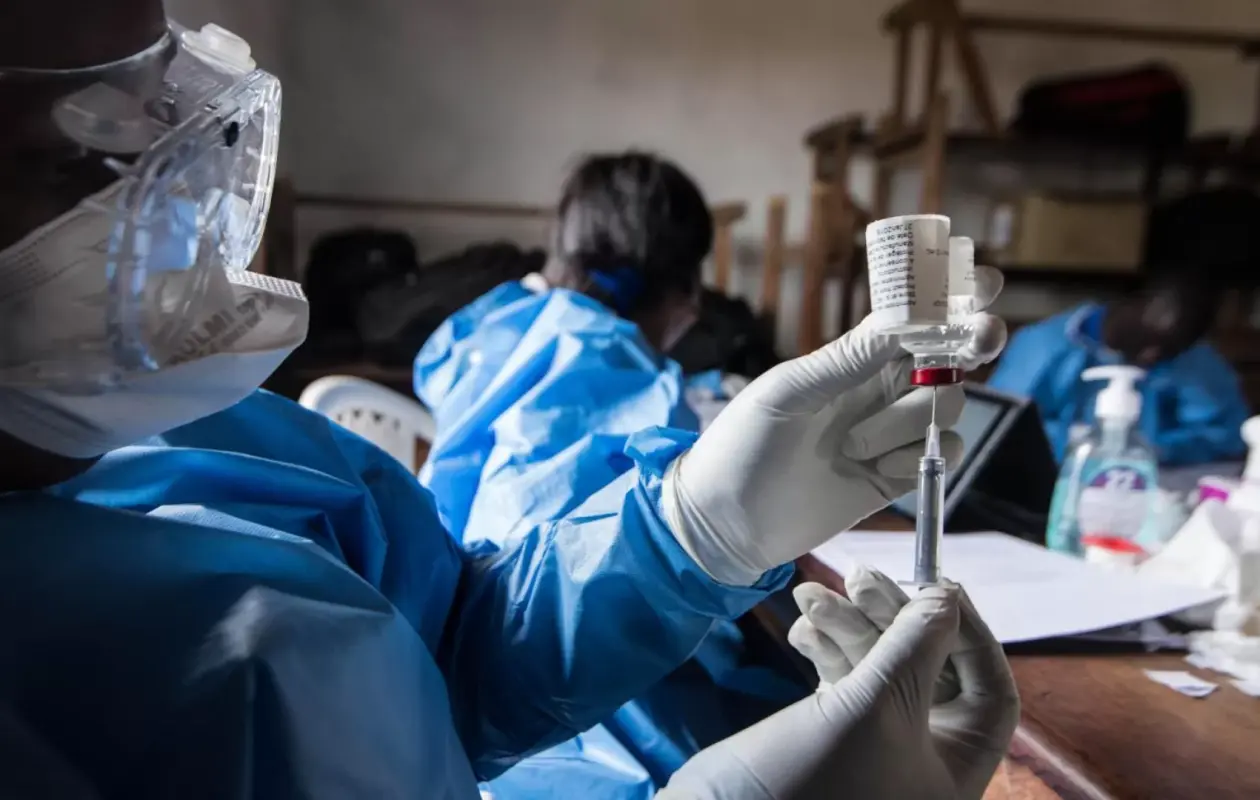
In the area of health, difficulties in accessing care are particularly pronounced for women and children. Health facilities suffer from shortages of medicines and staff, which weakens the provision of care to vulnerable populations. Turé denounced "the significant difficulties faced by women in accessing healthcare."
Regarding the justice system, delays in legal proceedings and alarming detention conditions are causing serious concern. Prisons do not meet international standards, and discrimination persists in access to rights. "Citizens deprived of their liberty are living in conditions that raise serious concerns," stated the president of the LGDH.
According to him, these findings show that "the dignity that Amílcar Cabral dreamed of is still far from being a reality" for many Bissau-Guineans.
A call for governance and dialogue
The report, supported by the European Union, calls for transforming these indicators into instruments of democratic governance. Turé emphasized: "They should not fuel controversy, but strengthen the accountability of institutions and guarantee quality education, access to healthcare, clean water, sanitation, and equal opportunities."
For his part, the EU ambassador to Guinea-Bissau, Federico Bianchi Di Montano Antila, warned that the protection of human rights cannot be limited to rhetoric. "It is necessary to monitor and rigorously evaluate them."
He highlighted persistent discrimination, weaknesses in the protection of women and children, and inequalities in access to justice.
The report therefore calls for an inclusive dialogue between the State, civil society, development partners and communities, in order to build governance capable of reducing inequalities and guaranteeing fundamental rights.















Commentaires (0)
Participer à la Discussion
Règles de la communauté
💡 Astuce : Utilisez des emojis depuis votre téléphone ou le module emoji ci-dessous. Cliquez sur GIF pour ajouter un GIF animé. Collez un lien X/Twitter, TikTok ou Instagram pour l'afficher automatiquement.
Se connecter
Commentez avec votre profil, votre photo, et soyez averti des réponses.