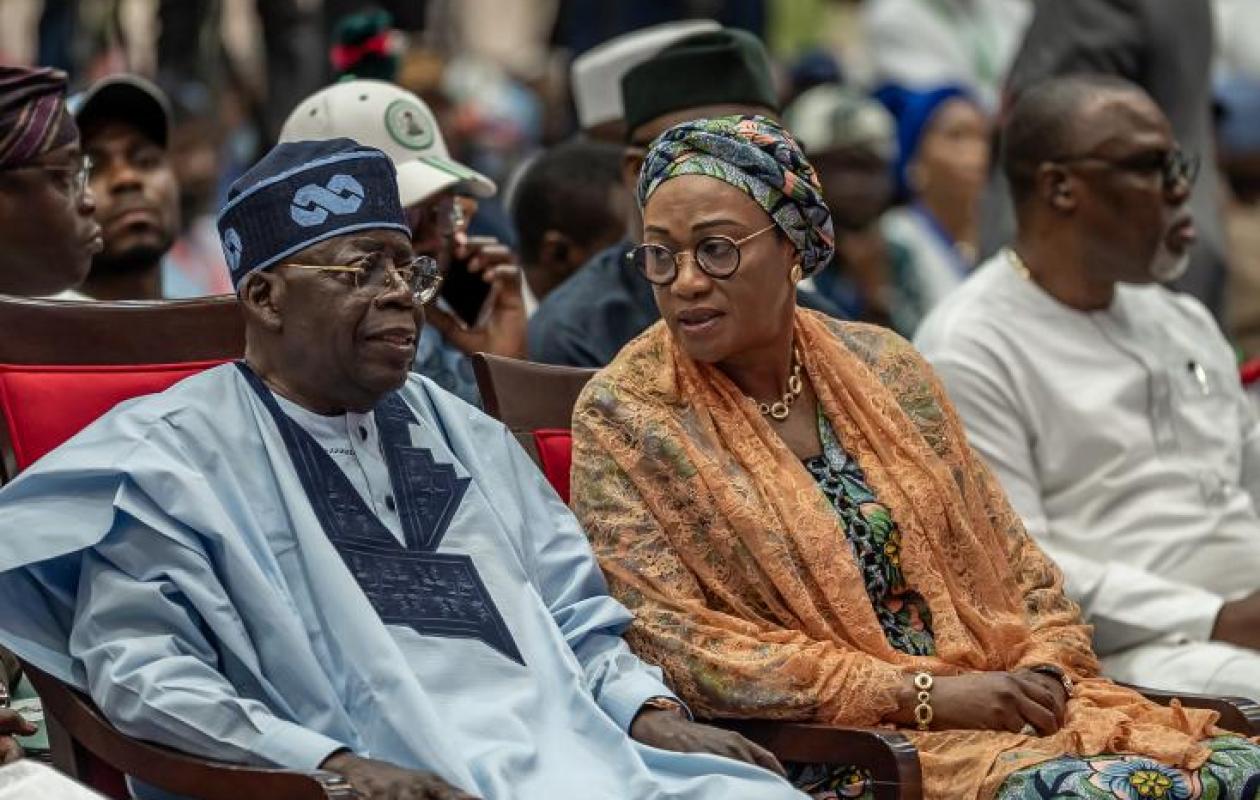
Nigeria: coup d’envoi de la campagne présidentielle, l’économie et l’insécurité au cœur des préoccupations
In Nigeria, the presidential campaign begins on Wednesday, five months before the January election, with inflation, President Bola Tinubu's economic reforms and insecurity looming as the main topics of debate.
Africa's most populous country, with some 240 million inhabitants, is facing the consequences of several years of economic turmoil and violence from various armed groups, while the fragmentation of the opposition could hand victory to Mr. Tinubu, who is seeking a second term.
"The economy is the main issue. It is the only subject that affects different regions of the country and continues to have repercussions on security and development issues," says Afolabi Adekaiyaoja, author of the political newsletter The Bellwether.
Elected in 2023, Tinubu, 74, devoted his first term to implementing ambitious economic reforms, including the elimination of a costly fuel subsidy that had artificially kept gasoline prices low for decades in this country, Africa's top oil producer.
While praised by economists and investors, these reforms triggered a cost-of-living crisis, leading to a depreciation of the naira and a sharp rise in inflation, reaching as high as 34%. Overall inflation has since fallen back to 15.4% in July.
This situation has also contributed to increased poverty: 61% of the population was living below the poverty line in 2025 compared to 40% in 2019 in Nigeria, according to the World Bank.
The country also faces multiple security crises: the presence of jihadist groups and armed criminal gangs locally called "bandits", clashes between farmers and herders for access to land, as well as a persistent separatist conflict in the southeast.
Violence has been increasing since 2024, according to Ladd Serwat, Africa analyst at the NGO ACLED, due in particular to "the expansion and intensification of armed banditry in northern and central Nigeria" and the resurgence of clashes in Borno State, the epicenter of the jihadist insurgency.
- Replay the 2023 presidential election -
According to Mr. Adekaiyaoja, "the opposition has been too entangled in internal disputes and legal problems to really assert its differences."
Tinubu is considered one of Nigeria's most skilled politicians. His party, the All Progressives Congress (APC), controls the National Assembly as well as 31 of the 36 governorships, which carry significant powers.
"For me, the main concerns are the economy and the cost of living," says Afolayan Abdullahi, a 42-year-old Lagosian civil servant, who says he intends to vote for Tinubu.
Nigeria's 2027 presidential election will partly replay the 2023 election, with Bola Tinubu, former governor Peter Obi, 65, and former vice-president Atiku Abubakar once again in the running.
Tinubu won the election with 36.6% of the vote, compared to 29% for Mr. Abubakar and 25% for Mr. Obi.
Rabiu Kwankwaso, who had obtained about 6% of the votes, this time allied himself with Obi to be his vice-president.
"Nigeria is not safe: terrorists, kidnappers, bandits, they are everywhere," says Becky Alegbe, a street vendor in Abuja.
Aged 28, she is registered on the electoral lists of her native village in Edo State, but indicates that she does not want to "take the risk of making the trip", also mentioning the fivefold increase in the cost of transport and her concerns about vote buying, which marred previous elections.


















Commentaires (0)
Participer à la Discussion
Règles de la communauté
💡 Astuce : Utilisez des emojis depuis votre téléphone ou le module emoji ci-dessous. Cliquez sur GIF pour ajouter un GIF animé. Collez un lien X/Twitter, TikTok ou Instagram pour l'afficher automatiquement.
Se connecter
Commentez avec votre profil, votre photo, et soyez averti des réponses.