Patrimoine routier en péril : Découvrez les chiffres alarmants qui obligent le Sénégal à sévir contre les camions !
The Ministry of Infrastructure opened a crucial awareness workshop in Dakar on Tuesday, dedicated to the implementation of UEMOA Regulation No. 14/2005. This community text governs the control of the dimensions, weight, and axle load of heavy goods vehicles. The meeting, which brought together transporters, defense and security forces, professional organizations, and technical partners, aims to lay the groundwork for a binding national roadmap for the period 2026-2027.
Senegalese asphalt is seriously threatened by substandard materials.
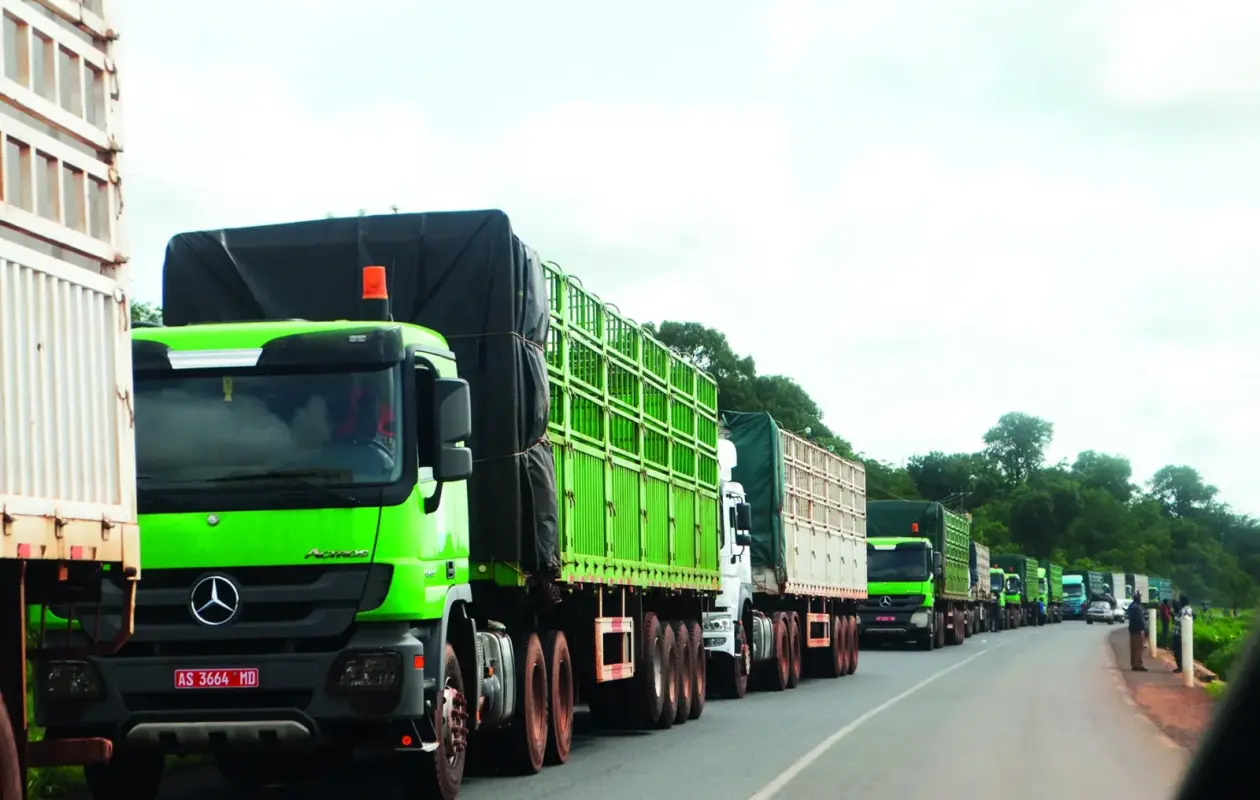
The statistics revealed during this working session are alarming. In April 2026, an inspection campaign on a sample of 148 trucks revealed that half of them exceeded the authorized tonnage, despite the application of the current 5% tolerance. Without this leeway, nearly 85% of heavy vehicles would be operating illegally.
This chronic overload dramatically accelerates the deterioration of road infrastructure financed to the tune of billions by taxpayers. Between 2022 and 2023, the rate of deterioration of the community road network jumped by 32%. As a reminder, UEMOA Regulation No. 14 sets the maximum axle load at 11.5 tonnes and the maximum authorized total weight (PTAC) at 51 tonnes, thresholds for which non-compliance carries severe financial and administrative penalties.
Senegal, a "good student" but still far from achieving its goal
With 24 operational fixed weigh stations and several mobile teams deployed along the main corridors, Senegal has the densest and most effective control network in the sub-region. The conclusions of the WAEMU expert meeting held in Bamako in November 2024 confirmed that no member state has yet fully implemented the regulation. This situation, by default, places Senegal in a leading position.
However, the picture is far from perfect. Senegal still applies a 5% technical tolerance, while the latest ministerial declaration from the WAEMU (West African Economic and Monetary Union) calls for a "zero tolerance" policy. Furthermore, the current fixed fines, which range from 10,000 to 30,000 CFA francs per ton of excess cargo, remain well below the community's deterrent scale. Finally, several private loading platforms (mines, factories, ports) still escape enforcement.
Discussions will be organized around five themes.
The workshop's work was structured around five major axes: the transition from the current tolerance to 0%, the methods of applying sanctions, the generalization of weighing, the interconnection of control stations and the compliance of loading platforms.
The conclusions drawn from these panels will inform the future national roadmap, which will be submitted for validation to the National Monitoring Committee for the implementation of UEMOA Regulation 14 in Senegal. In closing, the ministerial authority reassured economic stakeholders: this initiative is in no way intended to penalize carriers, but rather is part of a strategy to preserve the national road network and guarantee fair and healthy competition among all operators.





















Commentaires (6)
Participer à la Discussion
Règles de la communauté
💡 Astuce : Utilisez des emojis depuis votre téléphone ou le module emoji ci-dessous. Cliquez sur GIF pour ajouter un GIF animé. Collez un lien X/Twitter, TikTok ou Instagram pour l'afficher automatiquement.
Se connecter
Commentez avec votre profil, votre photo, et soyez averti des réponses.