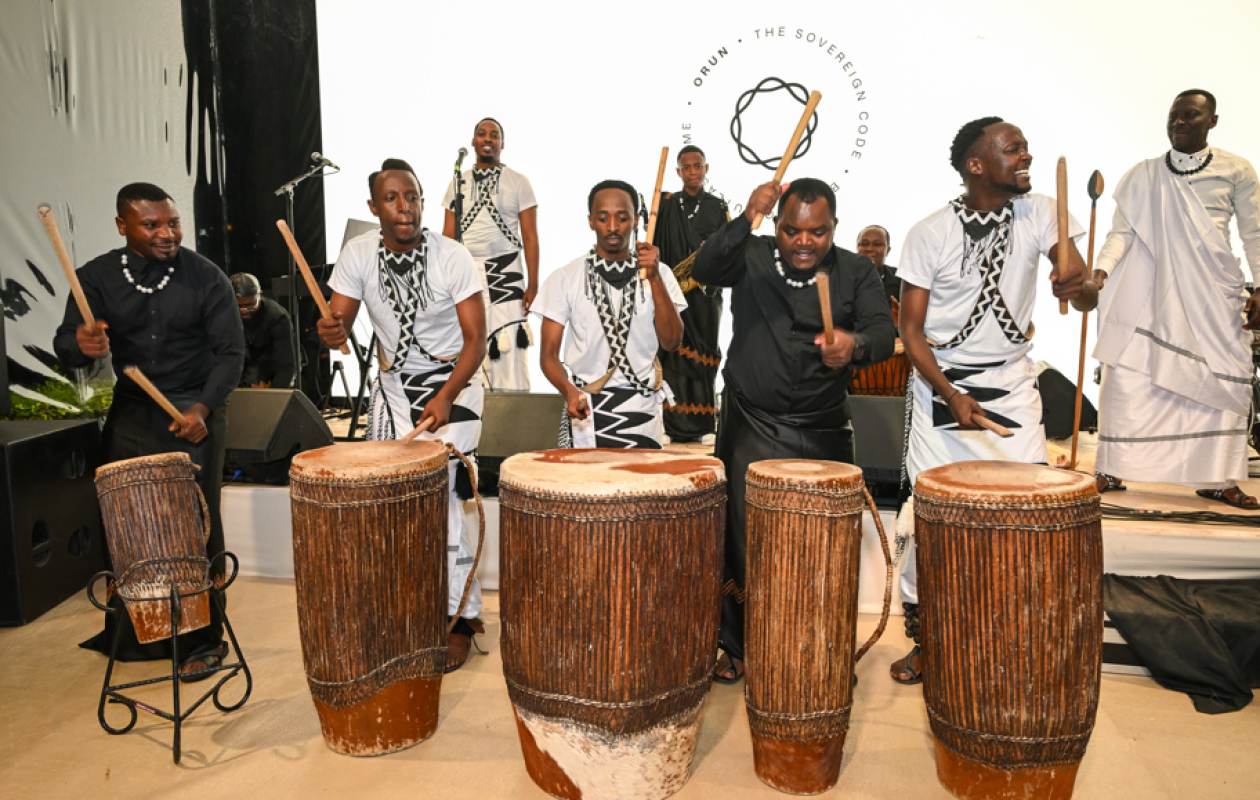
« We Champion Talent » : Comment des marques privées bousculent l'accompagnement des artistes africains de New York à Cannes
African cultural industries have enjoyed unprecedented international visibility for several years. Afrobeats music fills the world's largest venues, the continent's fashion designers are making their mark in the capitals of luxury, while African cinema, design, and visual arts are attracting increasing interest from cultural institutions and investors. Behind this dynamism, however, lies a more nuanced reality. The talent is there, the ambition too, but the support mechanisms often remain insufficient to transform individual successes into genuine ecosystems.
It is within this environment that new forms of partnerships between private actors and cultural initiatives are emerging.
The We Champion Talent program, supported by 1XBET and managed by Orun, provides an interesting case study in this regard. In just over a year, the initiative has multiplied its activations around fashion, audiovisual media, and cultural diplomacy, with events in Abidjan, New York, Casablanca, Cannes, and Monaco. The impact report published by the program details nine projects deployed across several continents, involving designers, artists, policymakers, and institutional partners.
In twelve months, We Champion Talen deployed nine initiatives across four continents, mobilized more than 300 decision-makers, partners and personalities from the world of culture, supported more than 15 African designers and artists and contributed to the promotion of seven art houses highlighting the know-how of the continent.
The originality of the system lies not only in the diversity of the events organized. It lies more in the way the partnership was designed.
For a long time, cultural sponsorship followed a relatively simple logic: a brand financed an event in exchange for a visible presence with a targeted audience. This approach remains largely dominant and serves legitimate marketing objectives. However, it sometimes shows its limitations when it comes to supporting creative sectors that require time, professional networks, and concrete opportunities to develop.
According to UNESCO, cultural and creative industries represent nearly 3% of global GDP and generate over 48 million jobs worldwide, a significant proportion of which are held by young people. In Africa, despite recognized dynamism in sectors such as music, fashion, film, and visual arts, creative ecosystems continue to face persistent challenges in terms of funding, access to international markets, and structuring value chains. In this context, initiatives promoting networking, visibility, and support for talent are becoming increasingly important.
The initiatives observed within the framework of We Champion Talen seem to belong to a different timeframe. The stated ambition is less about supporting isolated events than about fostering connections between African creators and international platforms for visibility.
The most visible example is in fashion. African designers have benefited from exhibitions in international contexts, particularly around New York Fashion Week. Other events have been organized alongside major global gatherings, such as activations linked to the United Nations General Assembly or the Cannes Film Festival. The program's report also mentions initiatives in Casablanca and Monaco, bringing together artists, entrepreneurs, diplomats, and prominent figures from various sectors.
These experiences raise a broader question: what role can private companies play in the development of African cultural industries?
The subject deserves to be approached with nuance.
On the one hand, the needs are considerable. Funding, strategic support, access to international networks, professional development, and content production remain recurring challenges. On the other hand, partnerships with brands sometimes raise questions about the boundary between cultural engagement and reputational strategy.
The credibility of these initiatives then largely depends on their ability to produce measurable effects beyond immediate media coverage.
“We wanted to create a framework that allows talents to access spaces they would not necessarily have frequented on their own, while promoting encounters likely to lead to lasting collaborations. The objective is not to replace cultural actors, but to provide complementary resources where they can be useful,” explains Mouhamed Dieng, president of the executive committee of We Champion Talent.
One of the lessons learned from this first year lies precisely in the search for a certain continuity. Beyond the events themselves, the program seems to want to build a coherent narrative around the promotion of African talent, by combining editorial content, physical experiences and networking among different stakeholders.
This approach aligns with a trend observed in several regions of the world. Faced with evolving public expectations, brands are increasingly encouraged to demonstrate the value of their commitments. Consumers, particularly younger generations, are paying close attention to the consistency between institutional rhetoric and actual actions.
In the cultural field, this evolution translates into a gradual shift in intervention strategies: from one-off support to more long-term forms of support.
It would nevertheless be premature to draw definitive conclusions about the scope of programs that are still relatively new. True impact is rarely measured in the short term. It depends on the ability of the supported talent to develop their businesses, access new markets, or strengthen their professional networks. It also relies on the capacity of the initiatives themselves to maintain their coherence despite changing circumstances.
However, some experiments deserve to be observed carefully because they challenge existing models.
Africa today possesses a widely recognized creative potential. The question is no longer so much about the quality of talent as it is about the mechanisms that support its large-scale development. States, cultural institutions, private investors, foundations, and businesses each have a role to play in this equation.
Initiatives like We Champion Talent do not claim to provide a comprehensive answer to these challenges. However, they offer avenues for reflection on how hybrid partnerships can contribute to creating opportunities, strengthening networks, and supporting career paths.
Ultimately, their relevance will be measured less by the scale of the events organized than by their ability to leave lasting traces in the paths they have helped to support.
Because beyond visibility, the real issue now facing African cultural industries is the need for supporting infrastructure. The coming years will determine whether programs of this nature represent the beginnings of a new model of cooperation between brands and cultural stakeholders, or whether they will remain isolated initiatives in a rapidly changing landscape.
















Commentaires (0)
Participer à la Discussion
Règles de la communauté
💡 Astuce : Utilisez des emojis depuis votre téléphone ou le module emoji ci-dessous. Cliquez sur GIF pour ajouter un GIF animé. Collez un lien X/Twitter, TikTok ou Instagram pour l'afficher automatiquement.
Se connecter
Commentez avec votre profil, votre photo, et soyez averti des réponses.