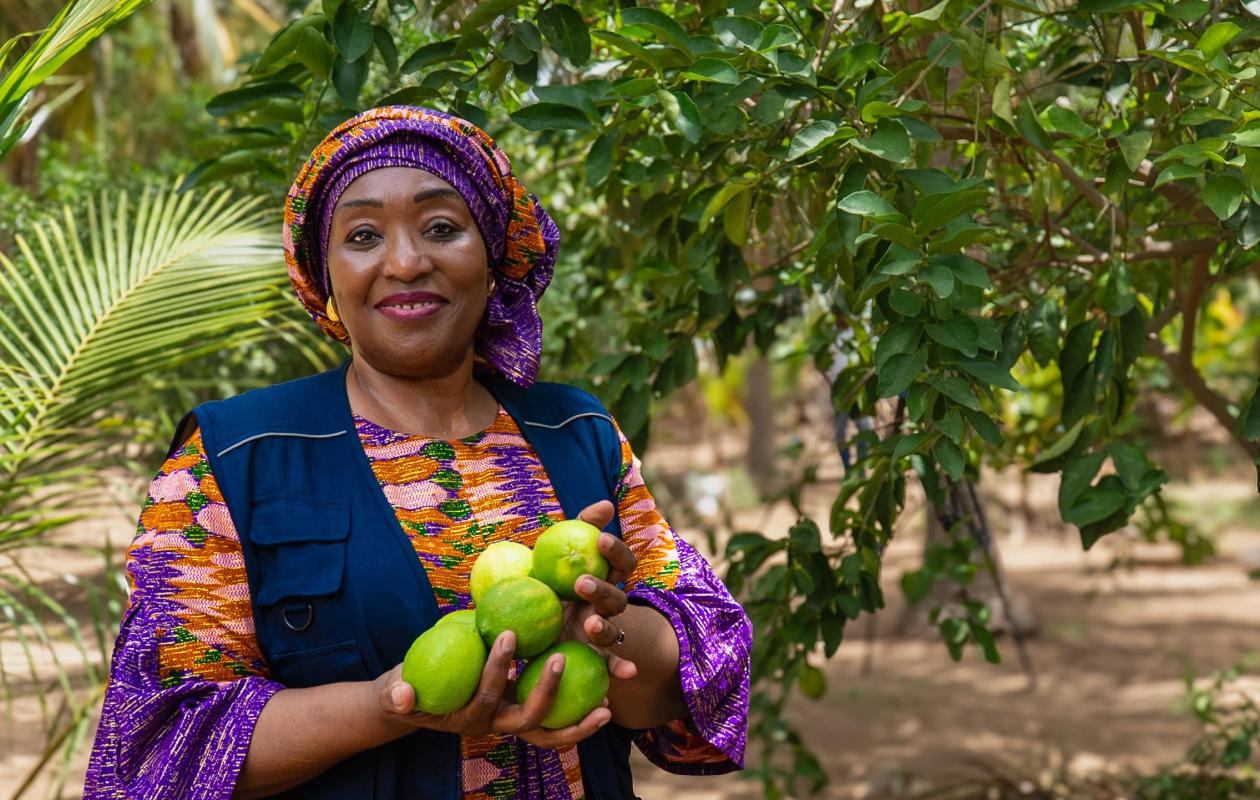
Bintia Stephen Tchicaya (FAO) : « Le plus grand défi des agricultrices reste l'accès à la terre »
Following a field mission to the regions of Fatick, Kaolack, Kaffrine, and Thiès, as part of the official launch of the International Year of Women Farmers 2026, the FAO Sub-Regional Coordinator for West Africa and Acting FAO Representative in Senegal, Bintia Stephen Tchicaya, reflects on the lessons learned from this tour. In this interview with Seneweb, she commends the impressive results achieved by rural women while emphasizing the major challenges that remain, particularly access to land, financing, and modernized equipment.
Seneweb: After this tour in several regions of Senegal, what is your assessment of the initiatives supported by the FAO?
Bintia Stephen Tchicaya: We are very pleased with what we observed on the ground. This mission allowed us to witness the remarkable commitment of women to the transformation of agri-food systems. Everywhere we went, we met enthusiastic women, fully invested and proud of the results achieved thanks to the support of the FAO and its partners, including the European Union, Canada, Quebec, Ireland, and the Great Green Wall initiative. The FAO is a technical agency whose mission is to transmit knowledge, skills, and best practices to governments and communities alike. Today, we are pleased to see that these women are no longer simply applying these techniques: they are in turn becoming trainers within their communities and passing on their knowledge to other women and young people. We also observed a real surge of interest. New groups want to join this movement to participate in the production, processing, and marketing of agricultural products. This is an extremely encouraging sign.
What are the main challenges expressed by these women on the ground today?
The main challenge undoubtedly remains access to land. In several areas, women are requesting the expansion of existing agricultural zones, while others are simply demanding land to produce crops. Added to this are difficulties in accessing financing and a lack of suitable equipment. These concerns consistently arise in our discussions with women producers. We have taken careful note of these grievances. For our part, we encourage these organizations to continue their structuring and to develop robust projects so that, together, we can mobilize more resources to meet their needs.
Is the FAO planning to extend these support programs to other localities in the country?
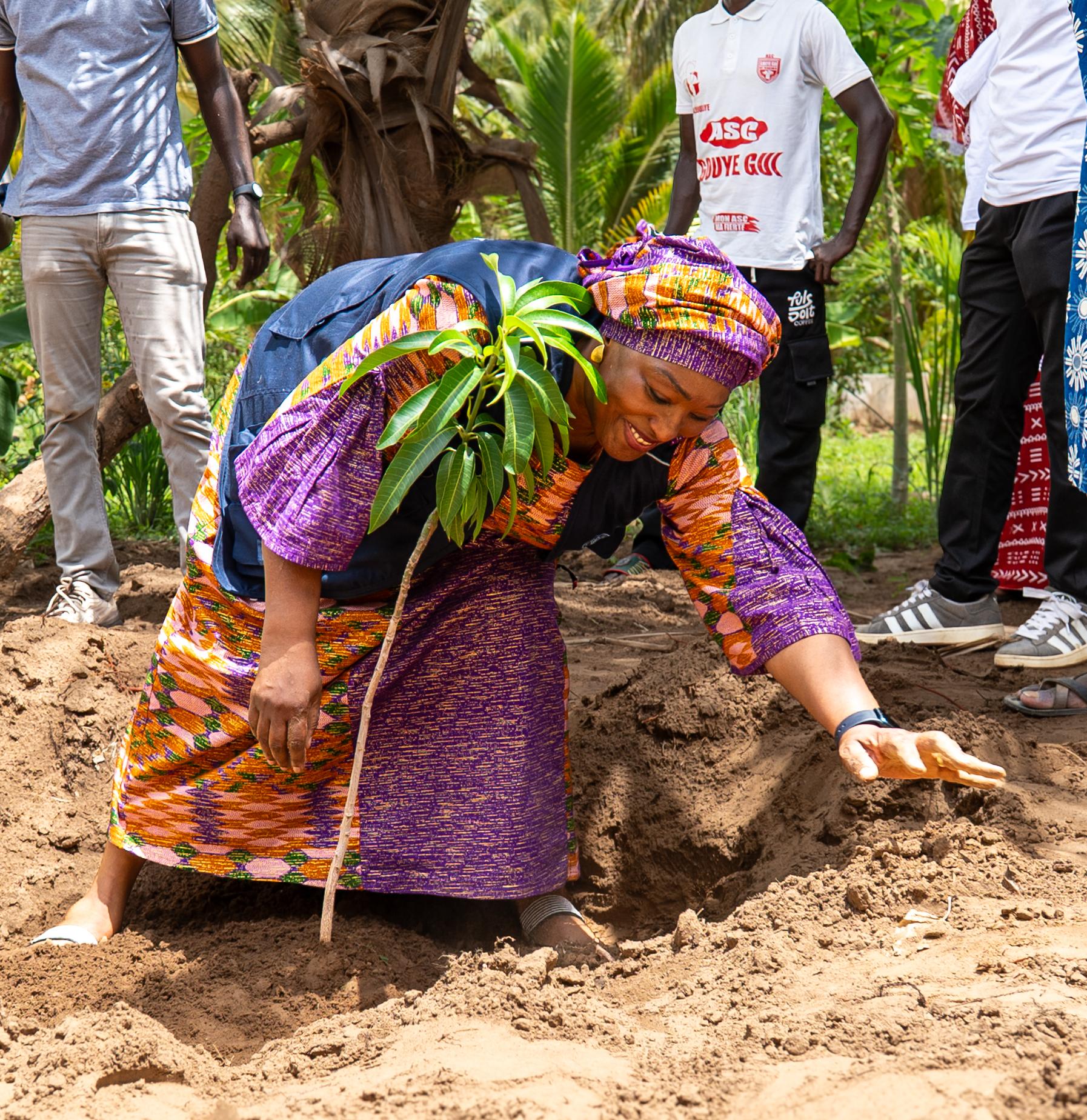
Absolutely. The more enthusiasm grows, the greater the needs become, which is a natural progression. Our ambition is to continue mobilizing partners to support more women and young people in transforming agri-food systems and to extend these best practices to other regions of Senegal. This type of agriculture is now creating genuine green jobs. We met women who have become nursery owners, seed producers, or plant sellers, and who now earn a decent living from the income generated by their activities. This is precisely the desired outcome of climate-smart and precision agriculture. We visited a sample of projects in one week, but these initiatives also exist in other regions, notably in Tambacounda and Kaffrine. Furthermore, with the Green Climate Fund, we will strengthen these approaches along the entire Great Green Wall, particularly through agroforestry and the development of non-timber forest products.
Do these interventions align with the new strategic roadmap of the Senegalese government?
Absolutely. We have aligned all our interventions with the Senegal 2050 Vision, which makes food sovereignty an absolute national priority. Our mission is to support communities so they can produce more local food and strengthen their resilience. We pay particular attention to women and young people, because investing in a woman means investing in an entire family, but also in an entire community.
What concrete impact are you already seeing on rural households?
We are already seeing the results firsthand, and the women's testimonies speak for themselves. Some explain that they now sell their okra for 1,000 CFA francs per kilogram and harvest it several times a year. Previously, many only cultivated vegetables for a few months. Now, some produce almost year-round, working eleven months out of twelve and choosing their own rest periods. This is precisely what we are aiming for when we talk about food sovereignty: enabling women farmers to produce sustainably, improve their incomes, and earn a decent living from their work.
Access to land remains a major cultural obstacle. How does the FAO intend to take concrete action on this issue?
We know that this issue is deeply linked to socio-cultural realities and that changing mindsets takes time. However, we are already seeing very encouraging developments. In some communities, people are beginning to allocate land to women themselves because they see the tangible results and the direct economic impact on the community. We are gradually developing awareness-raising tools to support this change in behavior. We want everyone to understand that agriculture is now a truly profitable economic activity. When a woman succeeds in this field, the entire community benefits. We therefore remain very optimistic and will continue this advocacy work until women's access to land is a shared reality in all localities of Senegal.
Of all the stages of this regional tour, which initiative impressed you the most?
It's a difficult question, as each locality possesses its own unique strengths. In Némabah, near Toubacouta, I was impressed by the work being done in the mangroves and around the oyster industry. Elsewhere, I was struck by the exceptional performance of the agroecological farms. Seeing such high-quality organic turnips grown on such a small area is truly remarkable. Therefore, I prefer not to rank them. Everywhere, the women demonstrated their determination, their expertise, and their immense contribution to the transformation of agri-food systems. Finally, I would like to appeal to the media: continue to highlight the work of these rural women. They work tirelessly, often behind the scenes. They deserve to be known, recognized, and valued for their essential contribution to food security, community resilience, and sustainable development.
















Commentaires (0)
Participer à la Discussion
Règles de la communauté
💡 Astuce : Utilisez des emojis depuis votre téléphone ou le module emoji ci-dessous. Cliquez sur GIF pour ajouter un GIF animé. Collez un lien X/Twitter, TikTok ou Instagram pour l'afficher automatiquement.
Se connecter
Commentez avec votre profil, votre photo, et soyez averti des réponses.