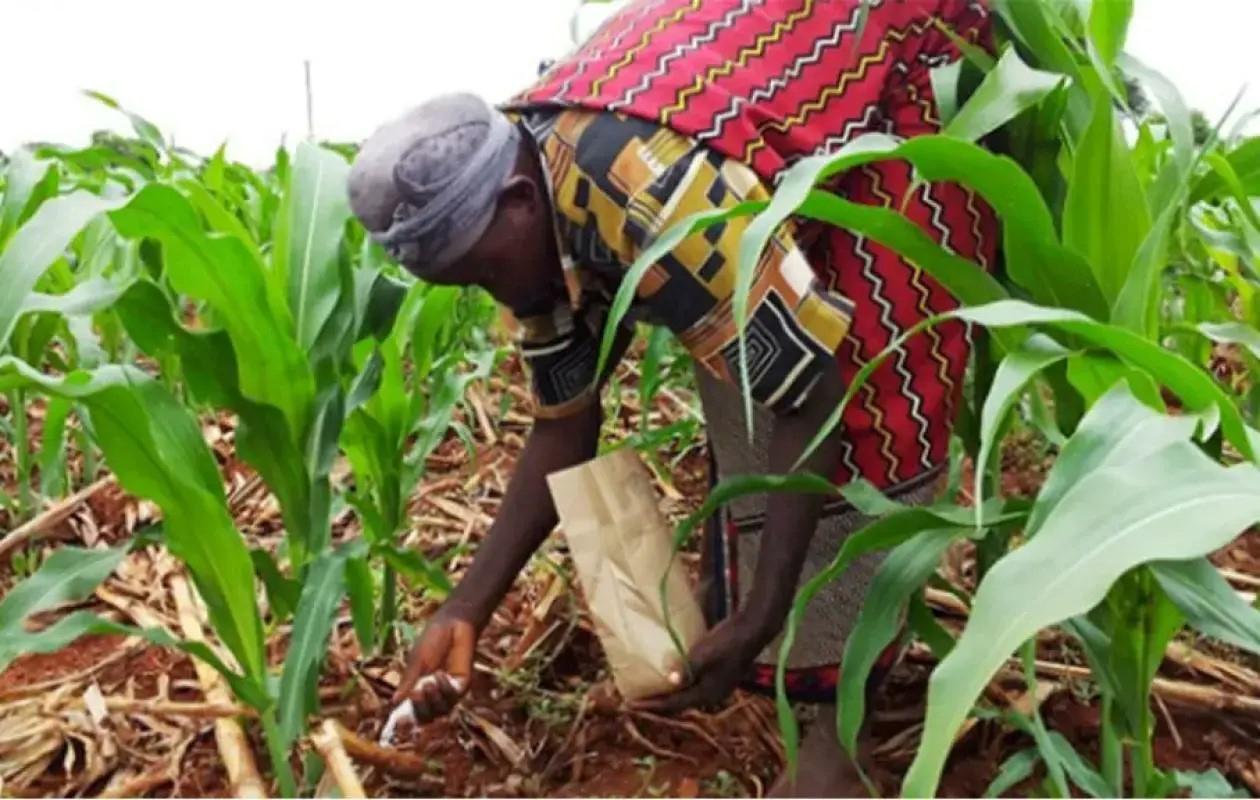
Campagne agricole 2026-2027 à Kédougou : des cultures en bonne évolution malgré un important déficit pluviométrique dans plusieurs localités
The 2026-2027 agricultural season is progressing steadily in the Kédougou region. While crops are generally showing satisfactory development thanks to successive planting cycles, rainfall remains a concern across much of the region, where total rainfall is significantly lower than last year's. This is according to the weekly agricultural monitoring report covering the period from July 23 to 29, 2026.
A rainfall deficit in the majority of monitoring stations
Regional rural development services have noted a significant decrease in rainfall at most rain gauge stations. As of July 29, twelve of the fifteen measuring stations show total rainfall lower than that recorded for the same period in 2025.
The commune of Fongolimbi shows the largest deficit with a negative difference of 199 millimeters, a situation which could have repercussions on production if the rains do not strengthen in the coming weeks.
However, some localities are experiencing positive trends. The stations at Mako, Salémata, and especially Oubadji show higher rainfall totals than the previous year. Oubadji stands out with an exceptional surplus of 218.4 millimeters, illustrating the significant rainfall disparities observed in the region.
Cultures evolve normally
Despite this uneven distribution of rainfall, crops are developing in a way that agricultural technicians consider satisfactory.
The first waves of sowing fonio, maize, rice, groundnut, sorghum, and cotton are progressing. The first maize and groundnut plantings have already reached the generative stages, including flowering for groundnut and stem elongation for maize.
The other sowing waves are between the emergence, seedling and vegetative growth stages, indicating a normal progression of the campaign.
On the farms, producers are increasing their maintenance work. Manual and mechanical weeding continues, while NPK fertilizers and urea are being applied to the most mature plots. Herbicide treatment is also underway in several rice-growing areas and on some sorghum plots.
The fall armyworm under surveillance
From a phytosanitary point of view, agricultural services report the presence of the fall armyworm in the departments of Saraya and Salémata.
According to the report, the observed attacks remain limited and are being closely monitored by technical services. The damage recorded is described as less severe, thanks to the monitoring and response measures implemented.
Beyond crop performance, several constraints continue to complicate the work of agricultural services.
The departmental directorates of rural development in Kédougou and Saraya are suffering from a lack of technical agents to ensure effective monitoring of the campaign.
Wintering also makes access to several production areas difficult, limiting the support missions for producers.
Adding to these difficulties are the poor condition of some storage facilities, the lack of premises for the SDDRs of Salémata and Saraya, as well as the shortage of motorcycles for field agents.
Recommendations from agricultural services
Faced with these challenges, the technical services recommend increasing staff numbers, constructing headquarters for the SDDRs of Salémata and Saraya, accelerating the provision of agricultural inputs and strengthening logistical resources for monitoring the campaign.
They also recommend intensifying awareness-raising efforts among producers on strategies for adapting to the effects of climate change, rehabilitating storage facilities in poor condition, and developing rural roads to open up the main production areas.
Despite the shortcomings observed, agricultural authorities remain confident about the progress of the season. They believe that continued steady rainfall in the coming weeks will be crucial for consolidating crop development and achieving the production targets set for the 2026-2027 agricultural season in the Kédougou region.



















Commentaires (0)
Participer à la Discussion
Règles de la communauté
💡 Astuce : Utilisez des emojis depuis votre téléphone ou le module emoji ci-dessous. Cliquez sur GIF pour ajouter un GIF animé. Collez un lien X/Twitter, TikTok ou Instagram pour l'afficher automatiquement.
Se connecter
Commentez avec votre profil, votre photo, et soyez averti des réponses.