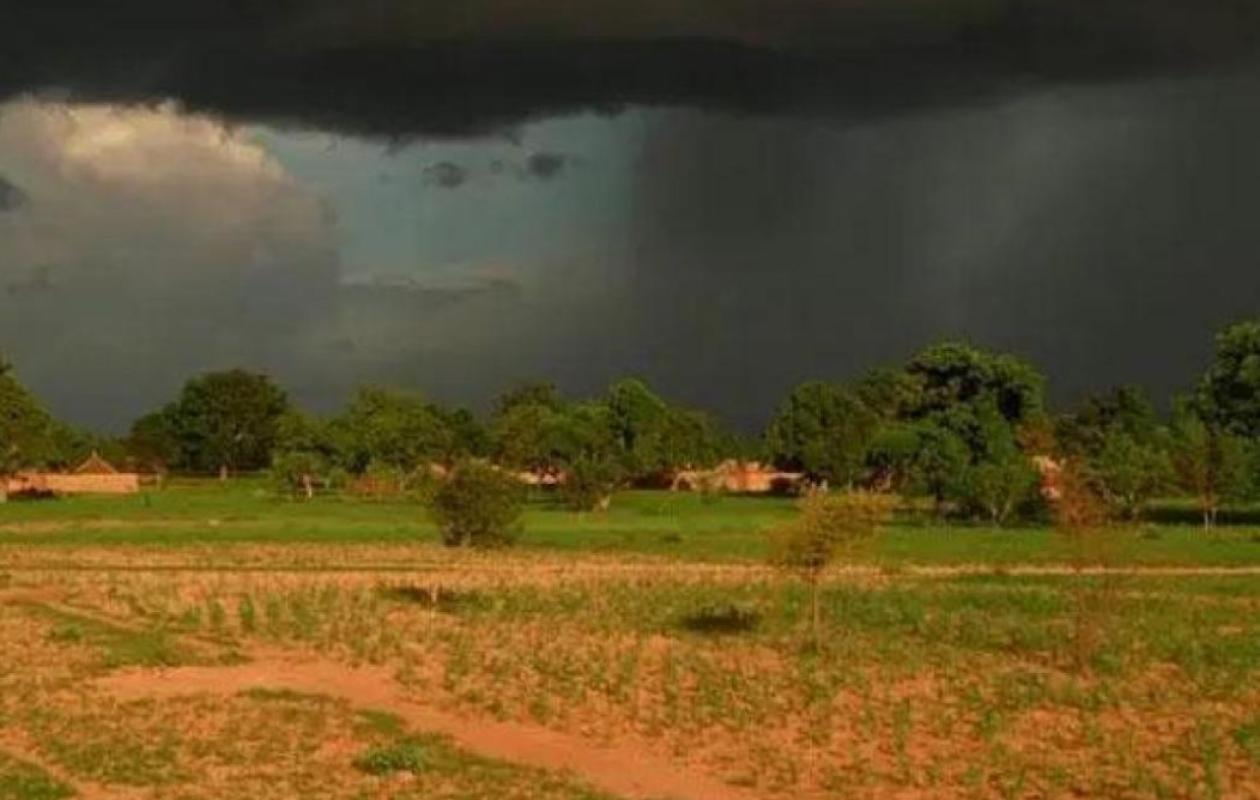
Campagne agricole 2026-2027 à Kédougou : la pluviométrie reste déficitaire, les cultures tiennent bon
The 2026-2027 agricultural season continues in the Kédougou region amid contrasting rainfall patterns. As of September 23, the overall trend remains below the previous year and the seasonal average, although some areas are experiencing surpluses. However, crop development in the field is generally considered promising.
The rainfall situation remains worrying in several areas of the Kédougou region. According to weekly report no. 16 on monitoring the 2026-2027 agricultural campaign, covering the period from September 17 to 23, 11 of the 15 monitored rain gauge stations recorded total rainfall lower than that of 2025.
The most significant deficits compared to the same period of the previous year were recorded in Saraya (-296 mm), Bembou (-256 mm), Missirah Sirimana (-252.5 mm), and Fongolimbi (-251.8 mm). The report also mentions a deficit of 232.3 mm in Khossanto.
Conversely, some localities are experiencing a more favorable situation. Ethiolo shows a surplus of 218 mm, ahead of Salémata (+132.5 mm), Dakately (+119 mm) and Mako (+2.1 mm). These differences reflect a significant disparity in rainfall distribution across the region.
Deficits compared to the seasonal norm
Comparison with the reference rainfall normal, established over the period 1991-2020, also confirms this heterogeneity.
Only Ethiolo (+172.9 mm), Salémata (+157.4 mm), and Saraya (+15.6 mm) show rainfall above average. The other stations remain below average, with deviations ranging from -56 mm in Bembou to -365.2 mm in Oubadji.
The report thus describes a campaign marked by irregular rainfall, with deficits in several sectors but also localized surpluses.
Crops that are evolving despite the deficits
Despite this contrasting rainfall situation, observations made on the ground are rather reassuring.
The crops are showing various phenological stages, with the first waves of fonio, maize and peanut having already reached generative phases: heading, flowering, filling and beginning of maturity.
The other crops, as well as rice, sorghum and cotton, are mainly in the growth and vegetative development stages, or even in the stem elongation stage.
Producers also continue to maintain the plots, including weeding, spreading fertilizers and phytosanitary treatments, helping to maintain a cultivation practice deemed appropriate.
The fall armyworm under surveillance
The phytosanitary situation, however, is a point of concern.
Attacks by the fall armyworm (FAW) have been reported on maize crops in the departments of Kédougou and Salémata, while the report also mentions its presence in the departments of Saraya and Salémata.
For the time being, the damage is considered moderate and less severe, the situation is being monitored and presented as being under control.
A campaign to watch until the very end
At the end of the period from September 17 to 23, the 2026-2027 agricultural season presents a mixed picture in the Kédougou region. Rainfall is significantly deficient in several areas, while some localities are benefiting from more favorable conditions.
The positive development of crops is nonetheless an encouraging sign. The report implicitly calls for careful planning of agricultural activities and increased vigilance regarding the risks associated with water deficits, particularly in areas where rainfall totals remain significantly below normal.




















Commentaires (0)
Participer à la Discussion
Règles de la communauté
💡 Astuce : Utilisez des emojis depuis votre téléphone ou le module emoji ci-dessous. Cliquez sur GIF pour ajouter un GIF animé. Collez un lien X/Twitter, TikTok ou Instagram pour l'afficher automatiquement.
Se connecter
Commentez avec votre profil, votre photo, et soyez averti des réponses.