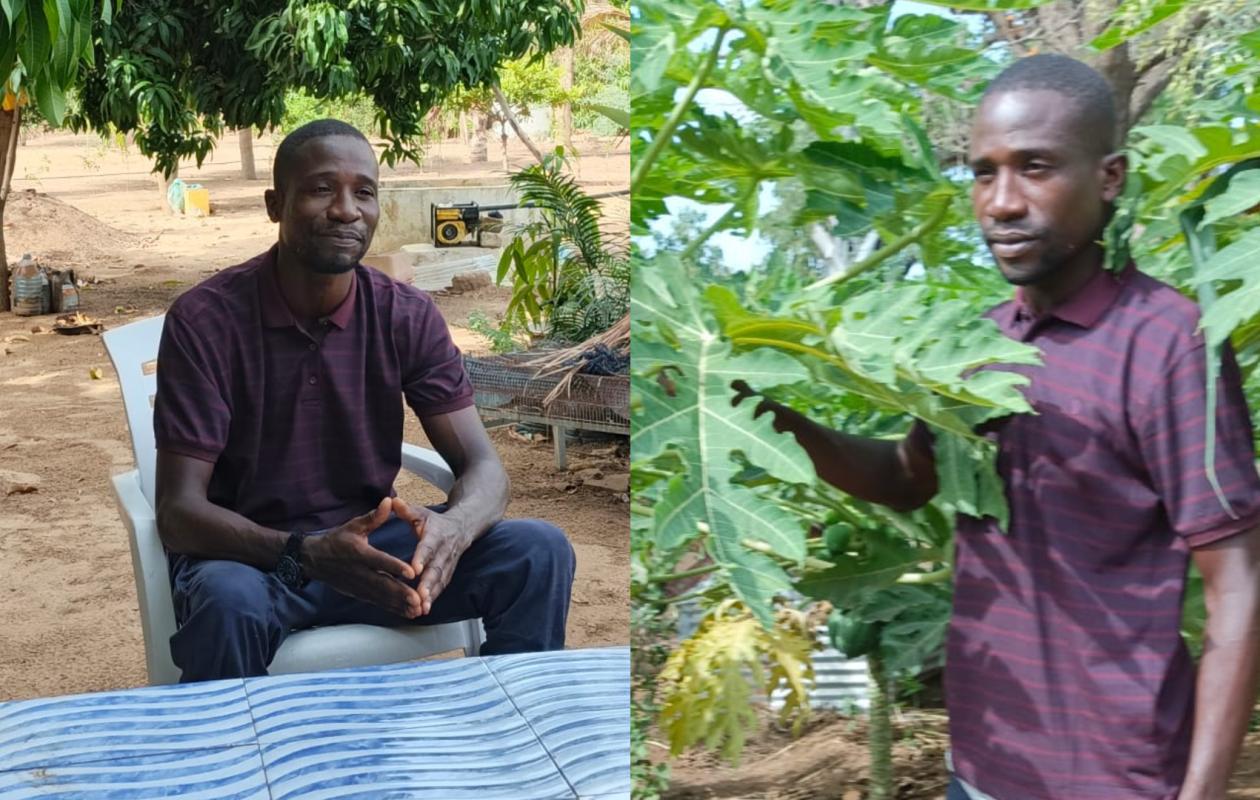
Du désert libyen aux vergers de Fimela : La belle reconversion d'un ex-migrant devenu champion de l'agroécologie
In Samba Dia, in the commune of Fimela (Fatick region), Mohamed Demba Camara now cultivates much more than mango, coconut, or citrus trees: he cultivates hope. At 39, this former migrant has transformed a decade of wandering into a true rural success story, demonstrating that with the right training, perseverance, and a deep attachment to his land, it is possible to succeed without leaving his country.
His journey is that of a man who long believed his future lay elsewhere. For nearly ten years, he traveled extensively throughout Mauritania, where he spent six years, Morocco for two years, as well as Libya and Burkina Faso. Back in Senegal, he continued his search for opportunities in Casamance, Walo, and other regions of the country. But everywhere, the same difficulties confronted him: jobs were scarce, hopes dwindled, and sacrifices failed to produce the expected results. "My failures during my travels forged my mentality. I learned to be resilient," he summarizes with clear-sightedness.
Far from viewing this experience as a definitive failure, Mohamed Demba Camara drew strength from it to rebuild his life. His return home marked the beginning of a new chapter. His encounter with the leaders of the Kaydara farm school proved to be a true turning point. In 2017, thanks to a program funded by the FAO, he enrolled in a nine-month training program in agroecology, organic farming, rural entrepreneurship, and water management.
Curious and eager to learn, he refused to limit himself to a single specialty. He also trained as a well digger, mastering all the stages of well construction: identifying groundwater, detecting water veins, manual digging, concreting, securing, and finishing the structure. This rare expertise quickly became a thriving economic activity. "In Kaydara, we learn a trade from A to Z. After that, everything depends on what each of us decides to do with it," he explains.
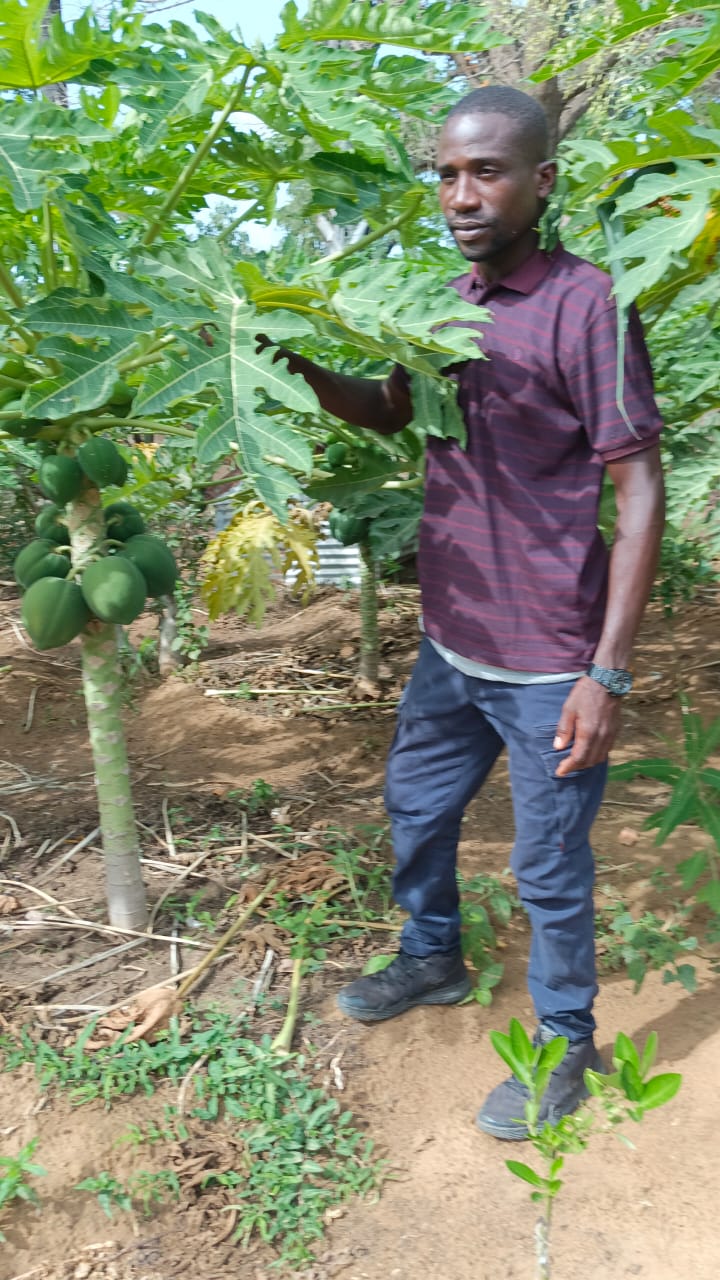
Upon completion of his training, the Kaydara farm school and its partners allocated him one hectare of land. It was on this plot that his agroecological farm was born. True to the principles of sustainable agriculture, he developed a diversified system combining fruit trees, vegetable crops, and other plant production. Nothing was left to chance: every square meter was designed for sustainable production while preserving natural resources.
Meanwhile, his well-digging business is experiencing remarkable growth. With teams that can mobilize up to fifteen young people depending on the project, he constructs wells for farms, mosques, schools, tourist areas, and numerous rural communities. Beyond the income it generates, this activity helps improve access to water while creating local jobs.
The eldest of six children, including four daughters, recently married and the main breadwinner for his family, Mohamed Demba Camara reflects on how far he has come. Without revealing the exact amount of his income, he proudly states that his farm now allows him to live with dignity, to save, to finance new projects, to build his wealth, and to secure his family's future.
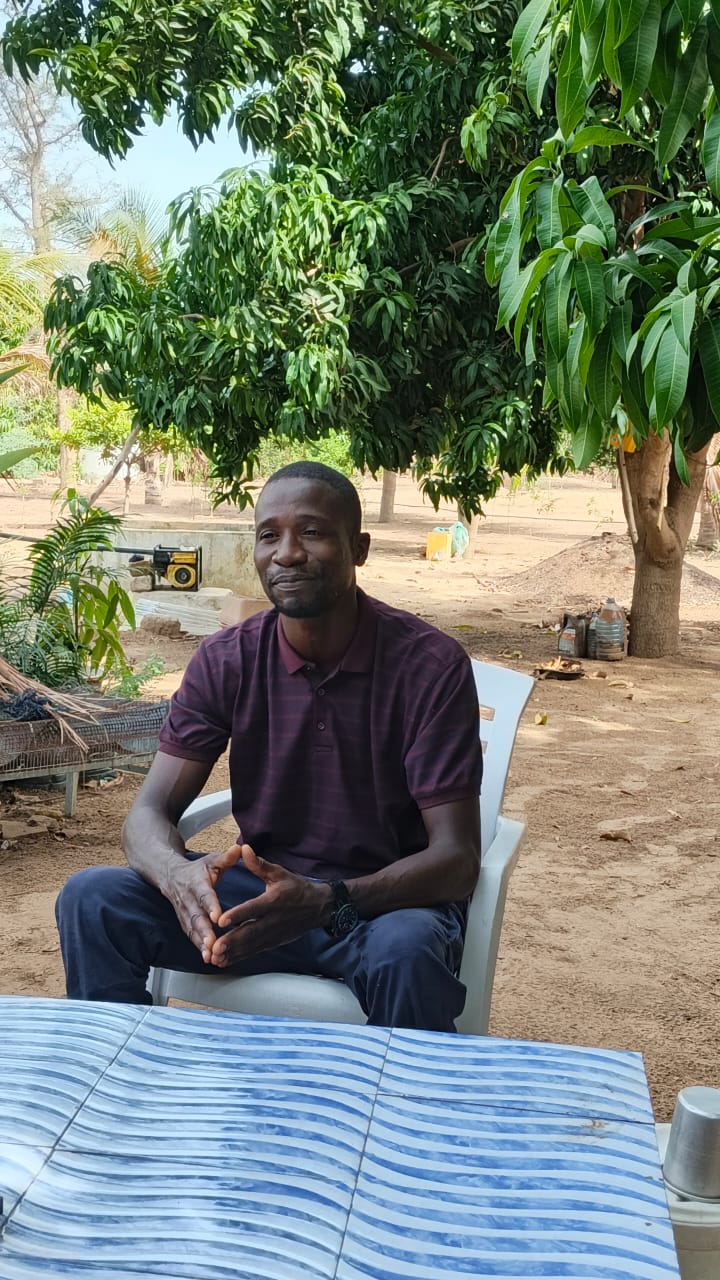
Today, he no longer has any regrets about returning to Senegal. Quite the contrary. For him, the hardships of emigration were a true school of life: "Immigration taught me who I am. It allowed me to understand that the wealth I was looking for elsewhere already existed at home, provided I acquired the necessary knowledge to value it," he confides.
His speech now speaks to an entire generation of young people tempted to leave. His message is unambiguous: the future can also be built in the village. "You can succeed here. But first, you have to get an education. It's not just about pursuing higher education. You have to learn a trade, acquire skills, and believe in your potential."
Grateful to the FAO and the Kaydara farm school, which he considers the architects of his professional resurgence, Mohamed Demba Camara now harbors ambitions that extend beyond mere personal success. He wishes to expand his farm, further develop his livestock operations, and welcome many young people to pass on his expertise. His dearest dream is to see the emergence of a new generation of rural entrepreneurs capable of creating wealth and employment in their own communities.
Mohamed Demba Camara's journey is more than just a success story: it reminds us that migration is not always an end in itself. Sometimes, the real journey begins when we return home, enriched by the lessons of exile and determined to build our future on our own land.












Commentaires (14)
Participer à la Discussion
Règles de la communauté
💡 Astuce : Utilisez des emojis depuis votre téléphone ou le module emoji ci-dessous. Cliquez sur GIF pour ajouter un GIF animé. Collez un lien X/Twitter, TikTok ou Instagram pour l'afficher automatiquement.
Se connecter
Commentez avec votre profil, votre photo, et soyez averti des réponses.