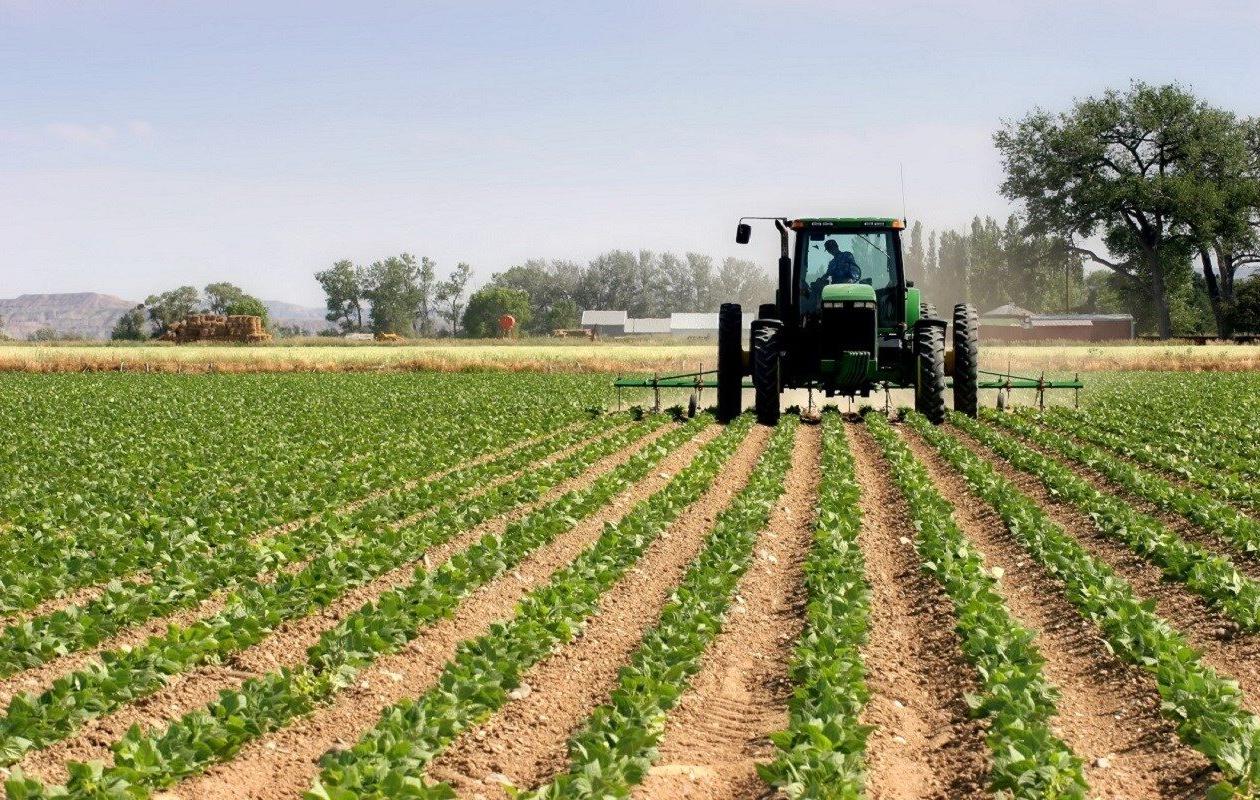
Kédougou : la campagne agricole 2026 sous la menace d’un déficit pluviométrique.
The 2026 agricultural season is unfolding against a backdrop of concerning rainfall in the Kédougou region. As of September 9, 2026, ten of the fifteen monitored rain gauge stations recorded rainfall totals lower than those recorded during the same period in 2025. This situation calls for vigilance, despite some pockets of surplus.
Rainfall remains generally below average in several areas of the Kédougou region. The most significant shortfalls compared to the previous season are recorded in Fongolimbi (-355 mm), Missirah Sirimana (-319.5 mm), Laminya (-309.6 mm), Saraya (-298 mm), and Bembou (-284 mm). Kédougou Agri also reports a deficit of 239.4 mm compared to the same period in 2025.
However, some localities bucked this trend. Ethiolo recorded a surplus of 253 mm, followed by Salémata (+183.5 mm), Dakately (+146.4 mm), Oubadji (+48.3 mm), and Khossanto (+0.7 mm). These disparities reflect a highly contrasting rainfall situation across the region.
However, a comparison with the 1991-2020 seasonal average confirms the deficit trend. Only Salémata (+164.9 mm), Ethiolo (+126.4 mm), and Saraya (+17.1 mm) show surpluses. In the other stations, deficits range from -50.6 mm in Bembou to -317.6 mm in Sabodala.
Crops at different stages
Despite the rainfall deficit, field observations indicate relatively satisfactory development of several crops. The first waves of maize and peanut planting have reached generative stages, including heading, flowering, and pod formation and filling.
The other sowing waves, as well as fonio, rice, sorghum, and cotton, are mainly at various stages of growth and vegetative development. Plot maintenance operations, including manual and mechanical weeding, fertilizer application, and herbicide treatments, are continuing regularly.
The fall armyworm under surveillance
From a phytosanitary perspective, the presence of the fall armyworm is one of the main areas of concern. Attacks have been reported on maize in the departments of Kédougou, Salémata, and Saraya.
For the time being, the damage is considered moderate and the situation remains under control thanks to phytosanitary monitoring. Technical services, however, remain on alert to prevent the pest from spreading and potentially affecting yields.
With significant rainfall deficits in several areas and uneven precipitation distribution, the 2026 agricultural season in Kédougou remains uncertain. Rainfall patterns in the coming weeks will be crucial for crops still in their vegetative stage and, more broadly, for the expected harvest levels in the region.


















Commentaires (1)
Participer à la Discussion
Règles de la communauté
💡 Astuce : Utilisez des emojis depuis votre téléphone ou le module emoji ci-dessous. Cliquez sur GIF pour ajouter un GIF animé. Collez un lien X/Twitter, TikTok ou Instagram pour l'afficher automatiquement.
Se connecter
Commentez avec votre profil, votre photo, et soyez averti des réponses.