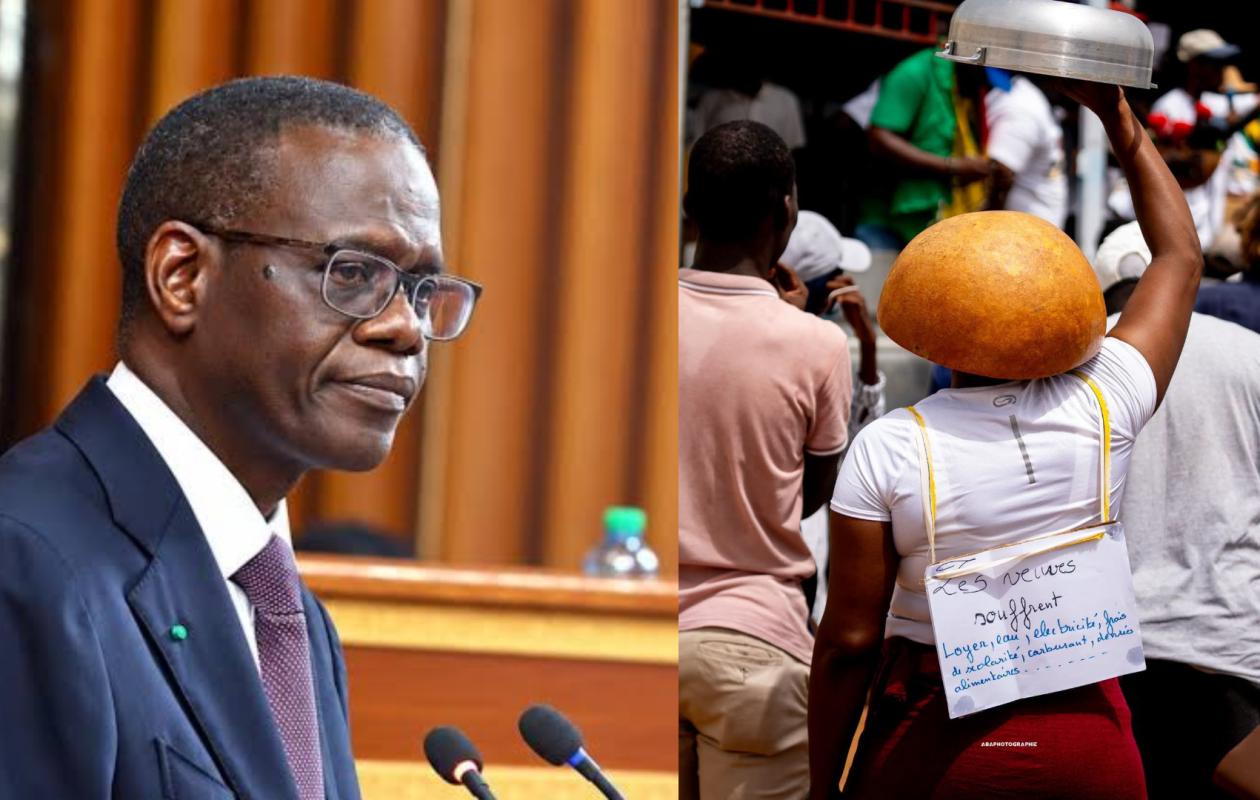
La rigueur du ministre face aux larmes de la veuve : le grand hiatus (par Adama Ndiaye)
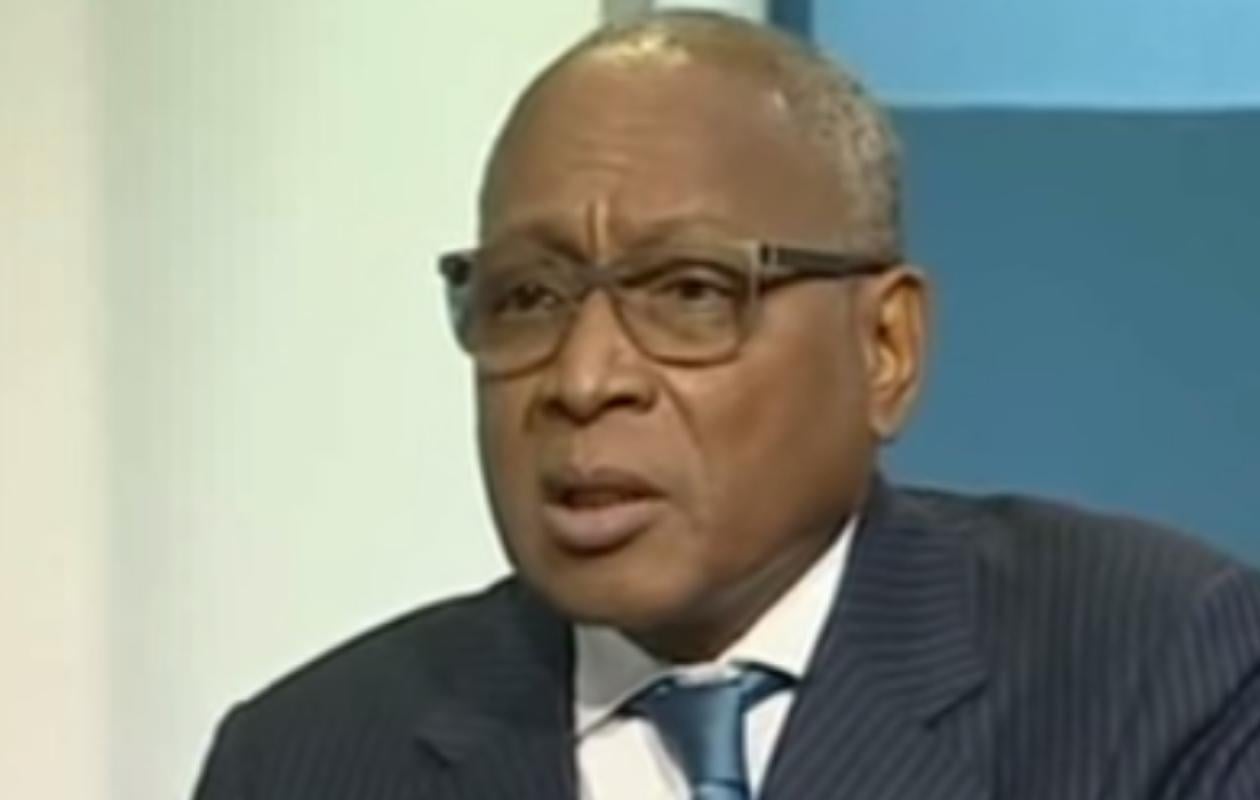
On Tuesday, September 8, Mohamed Al Aminou Lo delivered his General Policy Statement before the National Assembly. This unprecedented and highly charged republican event saw the Prime Minister addressing a hostile Assembly, with the executive and legislative branches at loggerheads since the falling out between President Bassirou Diomaye Faye and former Prime Minister Ousmane Sonko, now Speaker of a House loyal to him. Aside from a few minor disagreements, the session proceeded with the calm and restraint befitting such a solemn occasion.
For this major public address, the former National Director of the BCEAO for Senegal (2014-2024) adopted the persona of Margaret Thatcher, British Prime Minister from 1979 to 1990. The economist by training delivered a starkly realistic assessment, without any evasions or embellishments, of the state of public finances. Far from making easy promises or indulging in the illusion of a bright future, Mr. Lo instead promised hard work and tears.
The approach is commendable. Senegalese people, too often accustomed by their political class to soothing speeches where reality is lost beneath empty rhetoric, have heard a language of truth. Shaped by his professional rigor, Mohamed Al Aminou Lo didn't mince words: "We are now worthless on the international market. So the reality is there. I'm not talking about the rating agencies: they've brought us to the very bottom. That's what adjustment is. We're there ," he declared.
Before driving the point home with surgical precision: “When you have this growth rate and your birth rate is 3%, you get poorer. We were poorer in 2025 and we will be even poorer in 2026.” And then he hammered home the point: “Our government securities, the bonds we had on the international market, if they cost 100, they are now selling for 50. That is the reality of this country.”
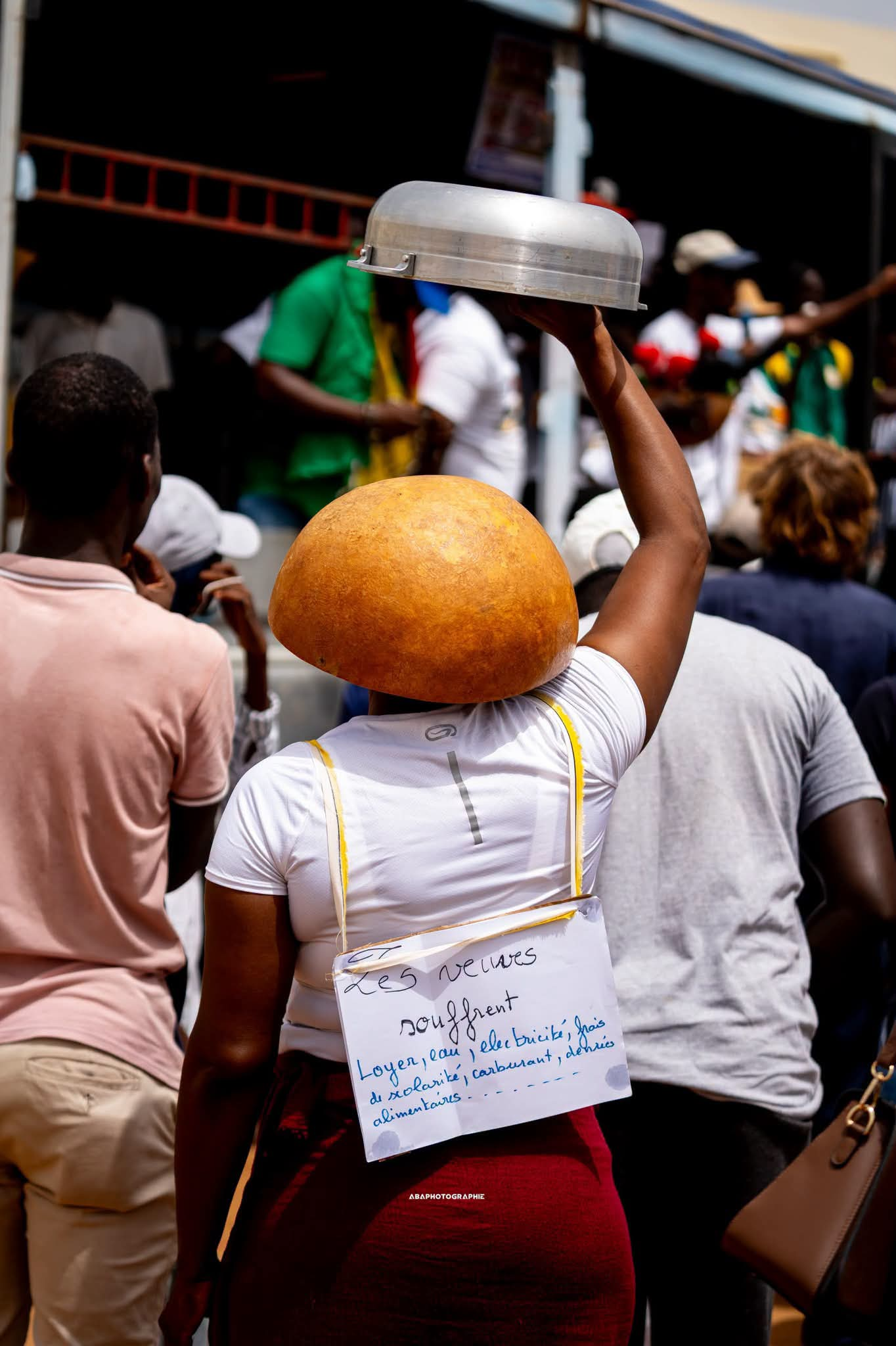
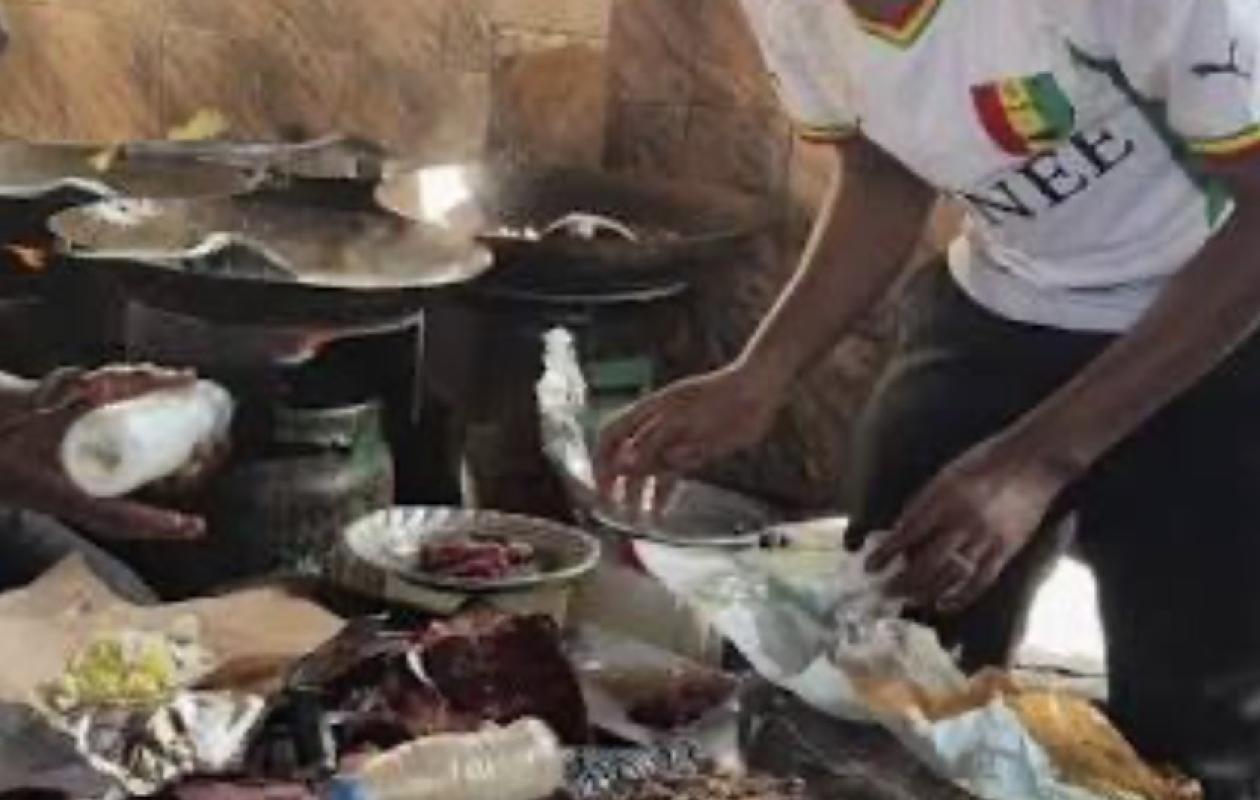
The observation is undeniable, the diagnosis indisputable. But, without resorting to demagoguery, what can the hundreds of Senegalese who took to the streets last weekend to protest the high cost of living possibly make of this speech? What must this widow, whose poignant testimony alone encapsulates the distress of these households, think of it? What message of hope, optimism, and faith in the future has been conveyed to them?
As the philosopher Baruch Spinoza pointed out: "Despair is fear without expectation; hope is desire without fear." Yet, behind the veil of budgetary rigor and the truth of the figures, anxiety is growing and the State seems to be displaying its powerlessness in the face of a cost of living that is reaching intolerable proportions.
Through a lack of will and authority, the government seems to have abdicated its responsibilities on priority issues, starting with rent control. Despite repeated commitments and the establishment of the National Rent Regulation Council (CONAREL)—a body intended to regulate prices and arbitrate disputes between landlords and tenants—landlords continue to impose their will on impoverished citizens ill-equipped to assert their rights. The situation is equally bleak regarding basic necessities: cyclical price increases are decreed by market speculation without apparent justification, under the resigned gaze of abandoned populations.
While it is good to state economic truths, the Prime Minister and his government's primary concern remains upholding the authority of the state. It is time for the public authorities to fully exercise their prerogatives to protect citizens from market anarchy and the rapacity of speculators. Only then can the truth of the figures restore meaning to collective hope.
















Commentaires (9)
Participer à la Discussion
Règles de la communauté
💡 Astuce : Utilisez des emojis depuis votre téléphone ou le module emoji ci-dessous. Cliquez sur GIF pour ajouter un GIF animé. Collez un lien X/Twitter, TikTok ou Instagram pour l'afficher automatiquement.
Se connecter
Commentez avec votre profil, votre photo, et soyez averti des réponses.