
Au-delà de Khadim Ba : le Sénégal que nous voulons construire (Par Mbaye THIAM)
There are cases that transcend the fate of the person involved. They become a mirror of an era and question the very foundations of a state. The Khadim Ba case is one of these.
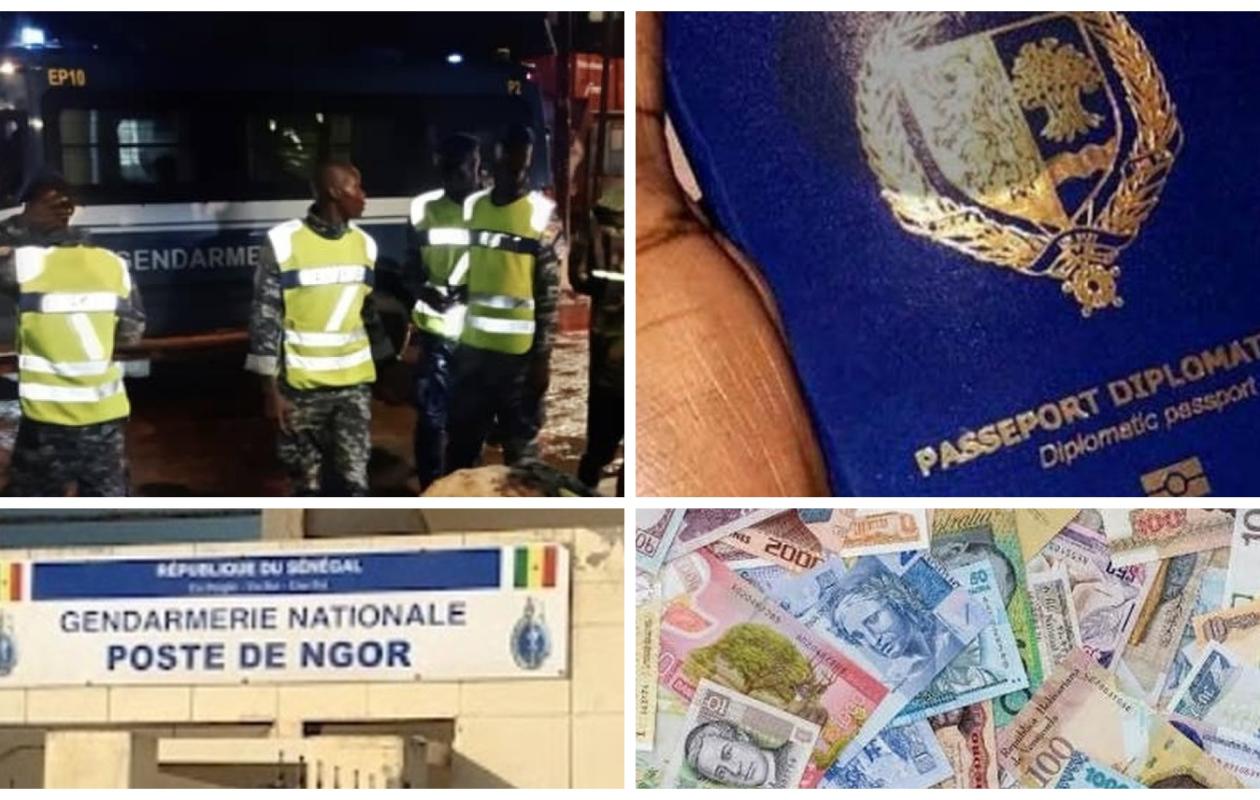
For nearly twenty months, this Senegalese businessman has been held in pretrial detention. It will be up to the courts, and the courts alone, to determine his guilt or innocence. No one should presume to take the judge's place. But precisely because the courts are called upon to decide, another question deserves to be asked: what does such a lengthy period of pretrial detention reveal about our understanding of the rule of law? And what does the all-powerful nature of customs law reveal about our understanding of the rule of law?
This question goes far beyond the case of one man. It concerns all those who undertake, invest, or take risks in our country. For the wealth of a nation does not rest solely on its natural resources, its infrastructure, or its public policies. It also rests on an invisible but essential value: trust.
Economists have long pointed this out: capital isn't just fleeing poor countries; it's primarily fleeing uncertainty. Investors know how to cope with market fluctuations and economic crises. What they fear most is the unpredictability of regulations, the lack of visibility, and the feeling that the legal process itself can become a punishment.
Khadim Ba's defense maintains that several aspects of the case remain contested and must be debated before the competent courts. This is precisely the role of a fair trial. However, when this debate is delayed while the deprivation of liberty continues for nearly two years, it is legitimate to question the balance between the demands of justice and respect for individual liberties.
An African proverb teaches that "when your neighbor's house burns down, don't assume yours is safe." It reminds us of a simple truth: the guarantees denied to one person today may be denied to each of us tomorrow. Institutions are never built to protect an individual; they are built to protect all citizens, regardless of their wealth, position, or reputation.
This reflection takes on particular resonance just days before the Grand Magal of Touba. Far beyond its spiritual dimension, this event is one of the most important economic gatherings in Senegal. Thousands of traders, transporters, artisans, farmers, and businesses prepare for it every year. Khadim Ba is also known for his involvement in numerous initiatives related to this event. This observation is neither an absolution nor a mitigating circumstance; it simply serves as a reminder that an entrepreneur never represents only himself. Around him gravitate employees, suppliers, partners, families, and sometimes social programs upon which many depend.
This is why this case goes beyond mere legal debate. It raises questions about how our society views those who take the risk of investing. For years, we have been calling for the emergence of national champions, more ambitious industrialization, and greater local processing of our resources. We urge young people to become entrepreneurs rather than seek employment. We want to attract more capital, particularly from the diaspora. But this ambition requires an environment where the rule of law inspires confidence. Time is money. In the private sector, this is perfectly understood. But is the government fully aware of it?
This is obviously not about placing entrepreneurs above the law. In a Republic, no one should benefit from privileges. When an offense is committed, it must be prosecuted and, where appropriate, punished. But the rule of law is distinguished precisely by its ability to reconcile the effectiveness of law enforcement with the guarantees offered to every citizen. A strong justice system is not one that deprives people of the most freedom; it is one that judges independently, within a reasonable timeframe, and with scrupulous respect for the rights of the defense.
You may or may not like Khadim Ba. You may think he is innocent or guilty. The essential question lies elsewhere. If an entrepreneur who built one of the country's largest private groups can remain in pretrial detention for nearly twenty months while the legal debate has not yet been definitively resolved, what message does this send to all those who wish to invest, create jobs, or commit their assets to the national economy?
The real issue isn't the fate of one man. It's the fate of our institutions. Trust is built slowly, but it can be lost very quickly. And when it erodes, it's not just entrepreneurs who hesitate: it's an entire country that slows down.
Senegal needs a strong administration. It needs a strong justice system. But it also needs a strong economy. These three requirements are not contradictory; they reinforce each other. State authority and the protection of freedoms are not competing principles. They are the two pillars of a single ambition: to build a country where one can invest with confidence, undertake ventures with courage, and be held accountable for one's actions before an independent judiciary.
In a few days, on the 18th of Safar, a date so rich in spiritual heritage, moral imperative, and work, we celebrate the sacrifice of a man who dedicated his life to raising awareness and upholding the values of Islam. Yet, what meaning do we give to this legacy if, at the same time, our country sometimes seems to be drifting away from these very same demands of justice and responsibility?
Does this interest those who are in charge of shaping the Senegal of tomorrow?
By Mbaye Thiam












Commentaires (1)
Participer à la Discussion
Règles de la communauté
💡 Astuce : Utilisez des emojis depuis votre téléphone ou le module emoji ci-dessous. Cliquez sur GIF pour ajouter un GIF animé. Collez un lien X/Twitter, TikTok ou Instagram pour l'afficher automatiquement.
Se connecter
Commentez avec votre profil, votre photo, et soyez averti des réponses.