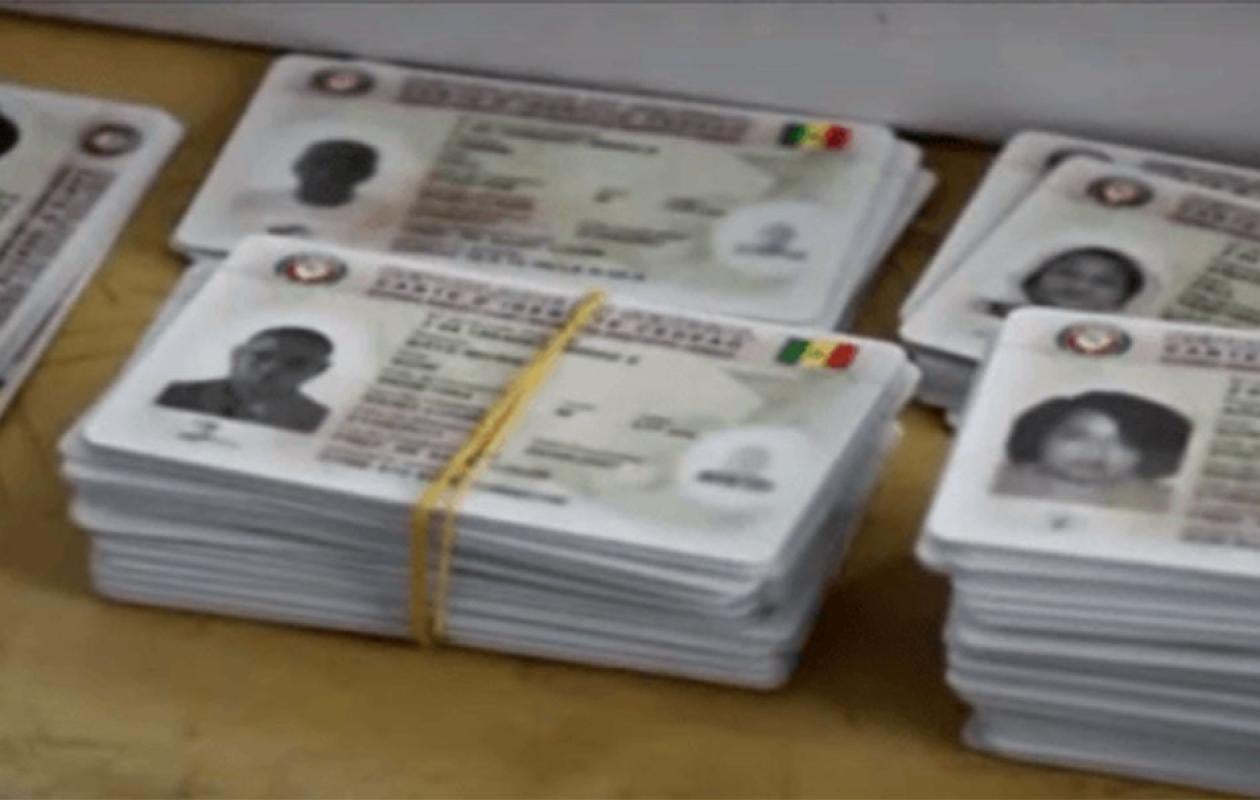
Cartes nationales d’identité à l’étranger : quand le Sénégal renouera-t-il avec la production dans ses consulats ? (Par Elhadji Amadou Ndao)
From the early years of his accession to the highest office, President Macky Sall had given firm instructions for the establishment of enrollment and national identity card production centers in our diplomatic and consular missions abroad.
This approach enabled several consulates to develop significant operational capabilities to assist Senegalese citizens in obtaining essential administrative documents. The Consulate General of Senegal, in particular, was among the few African representations in New York capable of issuing national identity cards and, if necessary, passports on the same day. This greatly facilitated the processing of requests related to registration, identification, civil status, legalizations, birth transcriptions, and, of course, the organization of voting for Senegalese citizens living abroad.
Senegal was then considered a pioneer. This lead was recognized and sometimes envied by other diplomatic and consular missions on our continent.
With the transition in 2017 from the digitized national identity card to the ECOWAS biometric card, production capacity at our overseas offices was suspended. This transition to a new system initially required technical training by the relevant departments of the Ministry of the Interior before its deployment in our foreign missions could be considered.
Since then, consular posts have been handling the enrollment of applications, while the production of cards is centralized in Dakar, at the level of the Directorate of File Automation (DAF).
This system is not without consequences. It causes particularly long delays, sometimes several months, for Senegalese citizens whose administrative needs cannot tolerate any delays. Whether it's regularizing residency, renewing a document, or completing an administrative formality that absolutely requires the presentation of the ECOWAS biometric national identity card, these delays can have considerable repercussions.
This has resulted in growing frustration within our communities abroad. Unfortunately, this frustration is also being passed on to consular officials, who are often on the front line dealing with users' incomprehension, even though these users have no control over production times or the delivery of cards from Dakar.
This situation is all the more regrettable given that there are now alternative solutions. Yesterday, I noted the announcement made by the consulate of a country in our sub-region regarding the launch of training for its staff to enable them to produce national identity cards within their consular representation.
This initiative deserves to be commended. But it also prompts us to reflect on our own situation.
How can we understand that Senegal, which had taken a lead in this area, now finds itself lagging behind, while other African states are undertaking to bring these services closer to their citizens?
In my opinion, we need to pull ourselves together and also fully grasp the geographical and demographic realities faced by some of our consular posts.
The Consulate General of Senegal in New York, for example, covers a district that spans a vast territory, almost a continent in itself. Some Senegalese citizens must take a six-hour (direct) flight to reach the Consulate, while others spend several days traveling by land to access consular services.
Successive heads of mission have strived to conduct consular missions, commonly known as "mobile consulates," to bring services closer to eligible residents living in other areas within the consular district. However, while useful and necessary, these missions are not a sufficient solution. The size of our communities has increased considerably since 2020 and now requires structural solutions adapted to this new reality.
Let's take the specific case of a citizen who wants to obtain a passport but doesn't yet have a biometric ECOWAS national identity card. They will first have to travel to Dakar to register for their national identity card. They will then have to wait several months, hoping that the document will be produced in Dakar and sent to the Consulate. Only after this initial step can they consider a second trip to register for their passport application.
Two trips, additional costs, wasted time and, sometimes, considerable personal and professional constraints, when these formalities could be considerably simplified by local production capacity.
We must also consider the particular vulnerability of some of our compatriots in host countries. Long-distance travel to access consular services can expose them to immigration controls and other difficult situations. Beyond fatigue and financial constraints, there are sometimes human risks that it would be irresponsible to ignore.
In my humble opinion, Senegal cannot continue to postpone this issue. Our compatriots abroad have the right to demand the restoration of production capacity for ECOWAS biometric national identity cards in our diplomatic and consular missions, starting with the posts covering the most important constituencies.
It is not necessarily a matter of immediately extending the system to all our consulates. A phased approach could be considered, prioritizing those consulates that serve the largest Senegalese communities and cover the most extensive territories. This approach could be accompanied by staff training, the installation of necessary technical equipment, and enhanced coordination with the Data Processing Automation Directorate.
Beyond the simple issuance of an administrative document, it is a question of accessibility of public service and consideration for our compatriots established outside the national territory.
Senegal must rediscover the spirit of innovation and foresight that earned it a reputation for managing its consular services for its diaspora. The diaspora is not demanding any privileges; it is simply asking for access, under reasonable conditions of proximity and dignity, to essential public services for its well-being, its integration, and to honor its attachment to the homeland.
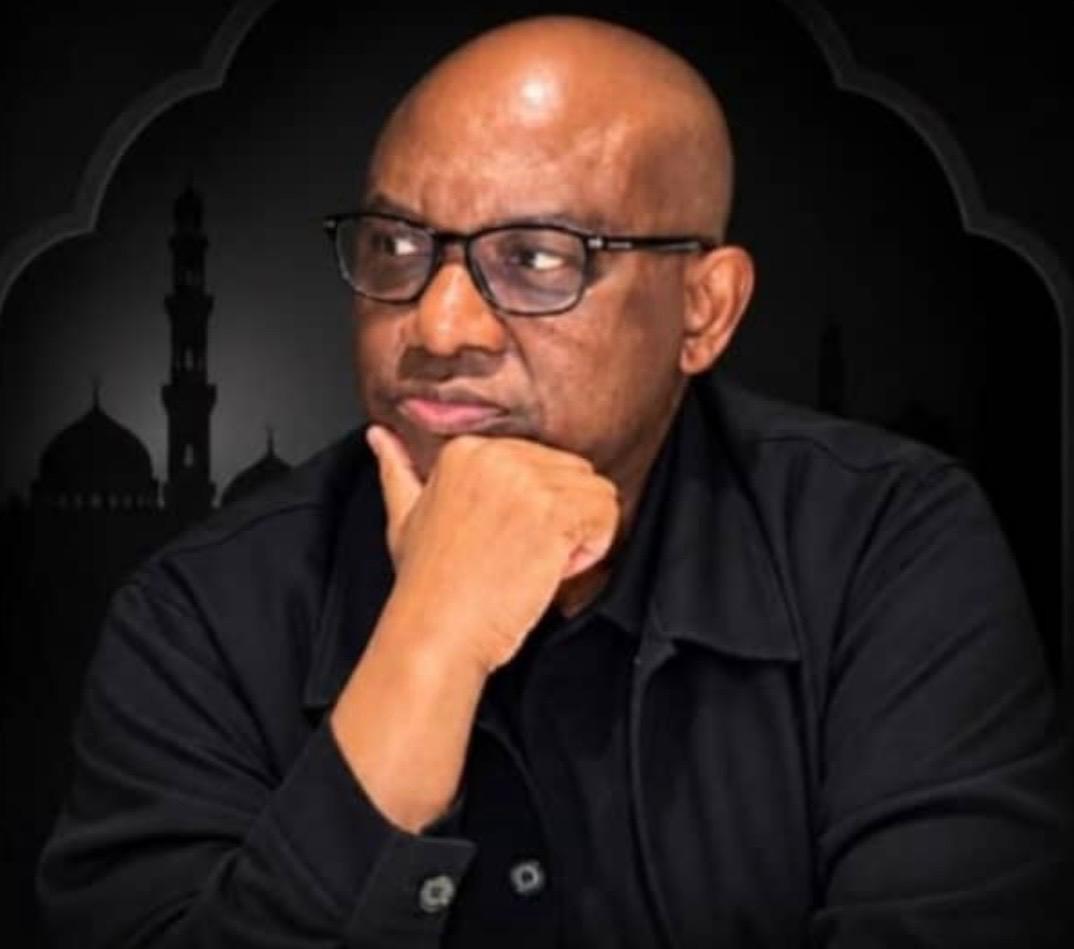
Elhadji Amadou Ndao
Former Consul General of Senegal in New York


















Commentaires (7)
Politique dou metier .Le peuple est avec Sonko
Je peux témoigner personnellement votre pragmatisme, votre professionnalisme et votre disponibilité quand vous étiez Consult General a New York City. Merci Mr Ndao
Participer à la Discussion
Règles de la communauté
💡 Astuce : Utilisez des emojis depuis votre téléphone ou le module emoji ci-dessous. Cliquez sur GIF pour ajouter un GIF animé. Collez un lien X/Twitter, TikTok ou Instagram pour l'afficher automatiquement.
Se connecter
Commentez avec votre profil, votre photo, et soyez averti des réponses.