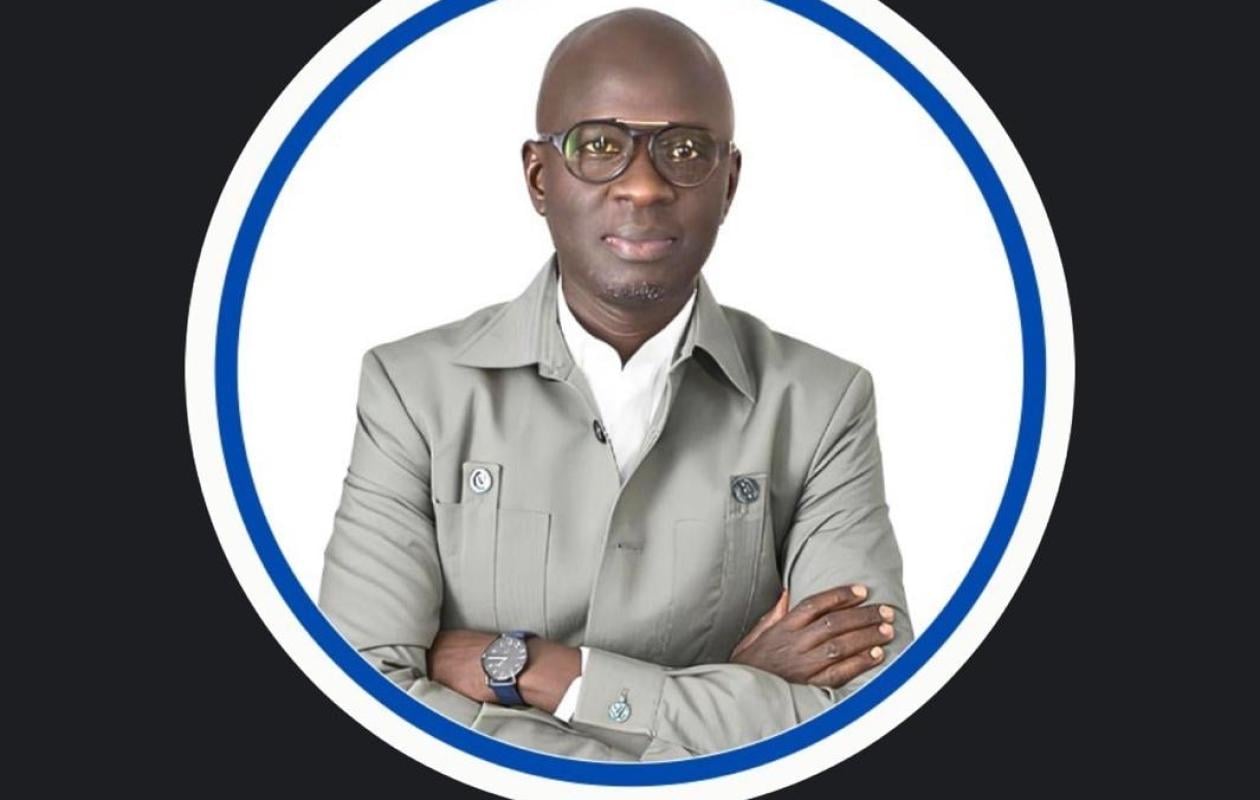
Dakar 2026 : la jeunesse doit être plus qu’un public, elle doit être le visage des Jeux (Par Alassane Mbaye)
Just weeks before the first Olympic Games to be held on the African continent, Dakar 2026 represents a historic opportunity for Senegal. But the initial public discussions surrounding the Games are already raising a crucial question: are we giving our youth a place worthy of the event that bears their name?
In a few weeks, Senegal will host a historic event: the Dakar 2026 Youth Olympic Games, the first Olympic Games to be held on the African continent. Beyond their sporting dimension, these Games represent an exceptional opportunity to raise the profile of our country, showcase its talents, stimulate its economy, and enhance its international appeal.
An event of this magnitude cannot be considered a mere sporting competition or a mere gathering lasting a few weeks. It must be conceived as a national project for influence, opportunity creation, and knowledge transfer. The real question, therefore, is not simply whether Senegal will succeed in hosting the Youth Olympic Games. It is what our country will gain from them and what will remain of them after 2026.
The first ceremonies already raise a question
I followed with great interest the initial public events surrounding Dakar 2026, particularly the arrival of the Olympic Flame in Dakar, the official anthem, and the major communication initiatives that are beginning to establish the event in the public sphere. These moments are important: they set the tone, shape the perception of the Games, and project a certain image of Senegal.
They did, however, leave me with a question. Is Senegalese youth sufficiently represented in the foreground of this narrative? In my view, not yet. This doesn't detract from the work accomplished, nor from the need to celebrate our heritage, our cultural references, and the figures who have contributed to their prominence. But for an event that places youth in its name and its very purpose, we must go much further in the space we give them.
Being present in the audience, among the volunteers, or in support programs is not enough. Our young people must also be visible on stage, in creation, in production, in artistic choices, in content, in innovation, and in the image of Senegal that we will show to the world.
"Young people should not only be the audience for Dakar 2026. They should be its face."
This requirement is not symbolic. It touches on the very meaning of these Games. For several weeks, thousands of young athletes, delegations, journalists, and visitors will discover our country. They must encounter a Senegal proud of its history, but also a young, creative, bold, enterprising Senegal, resolutely focused on the future.
Making the Youth Olympic Games a showcase for Senegalese youth
Our country boasts an extremely creative, enterprising, and connected youth. Dakar 2026 can offer them a unique platform for expression, learning, visibility, and integration. Therefore, we must give much greater visibility to young entrepreneurs, students, creators, developers, communicators, photographers, videographers, designers, musicians, dancers, athletes, artists, and project leaders.
They can be involved in organization, communication, innovation, tourism, culture, events, and services. They can produce content, imagine experiences, design digital solutions, tell the story of the Games differently, and create value around the event.
The challenge is to shift from a system where young people are primarily spectators or beneficiaries to one where they become fully active participants and value creators. Dakar 2026 must be able to uncover talent, build networks, develop skills, and offer some young people a first professional or entrepreneurial experience capable of producing lasting results.
Turning visibility into economic opportunities
Senegal will be watched far beyond the sporting arenas. During the Games, Dakar will become a showcase for the country and, more broadly, a gateway to Africa. This exposure can boost our tourist appeal, promote our destinations, our hospitality, and our expertise, as well as attract the interest of international investors and partners.
The economic benefits should therefore not be considered solely in terms of expenses directly related to the organization. Hotels, restaurants, transport, commerce, tourism, crafts, events, audiovisual, communication, security and digital services can all benefit from the influx and visibility generated by the Games.
The Senegalese private sector must be fully involved in this dynamic. Our SMEs, startups, entrepreneurs, artisans, and service providers must be able to access the opportunities offered by the event. The Youth Olympic Games can become a platform allowing some companies to gain visibility, forge partnerships, and, in some cases, conquer new markets.
This is also an opportunity to better promote "Made in Senegal." Visitors should leave not only with memories of the competitions, but also with the discovery of products, creations, and services designed in Senegal. The objective must be clear: to increase the circulation of the value created by the Youth Olympic Games within the national economy.
Our culture must transmit, but also reveal
Sport will not be the only language of Dakar 2026. Culture will necessarily occupy a central place. Senegal possesses a considerable artistic heritage: music, dance, cinema, fashion, literature, crafts, gastronomy, visual arts, and creative industries. This wealth must be showcased to the world.
But this is not about pitting generations against each other, nor about choosing between heritage and modernity. The challenge is precisely to foster dialogue between them. Our culture is all the stronger for being passed down, reinterpreted, and carried on by those who are inventing new ways of telling Senegal's story today.
The ceremonies, fan zones, entertainment and major events of Dakar 2026 should thus become both stages of transmission and revelation: spaces capable of honoring recognized figures while bringing forth new faces, new voices and new Senegalese aesthetics.
It is also an economic issue. Cultural and creative industries create jobs, revenue, and influence. The Youth Olympic Games can help give this new generation greater visibility and open up opportunities for them beyond our borders.
The real issue: what will remain after 2026
The success of Dakar 2026 should not be measured solely at the end of the final competition. Above all, we must look at what the Games will have left behind: improved infrastructure, better-trained young people, businesses that have gained new markets, artists that have won over new audiences, visitors eager to return, and lasting international partnerships.
This legacy approach must guide our actions now. Acquired skills must be leveraged. Networks created must be nurtured. Supported businesses and talent must be able to continue their growth. The international visibility gained must be transformed into lasting attractiveness.
To achieve this, the Games cannot be the responsibility of a single institution. Their success and legacy require the mobilization of the entire national ecosystem: State, local authorities, private sector, universities, schools, cultural actors, media, associations, athletes and, of course, youth.
Making Dakar 2026 a generational project
Senegal has a rare opportunity: to host the world and showcase its capabilities. We must, of course, ensure the event is well-organized. But above all, we must seize this opportunity.
The true success of Dakar 2026 will not be measured solely by the quality of the competitions or the beauty of the ceremonies. It will be measured by our collective ability to transform a few weeks of visibility into several years of opportunities, and by the place we truly give to our youth to create, decide, undertake, train, make themselves known, and represent Senegal.
The Youth Olympic Games must leave a sporting legacy. But they must also leave an economic, cultural, entrepreneurial, tourism, and human legacy. And if we want Dakar 2026 to truly be the Youth Games, then these young people must not only be invited to participate: they must be called upon to embody them.
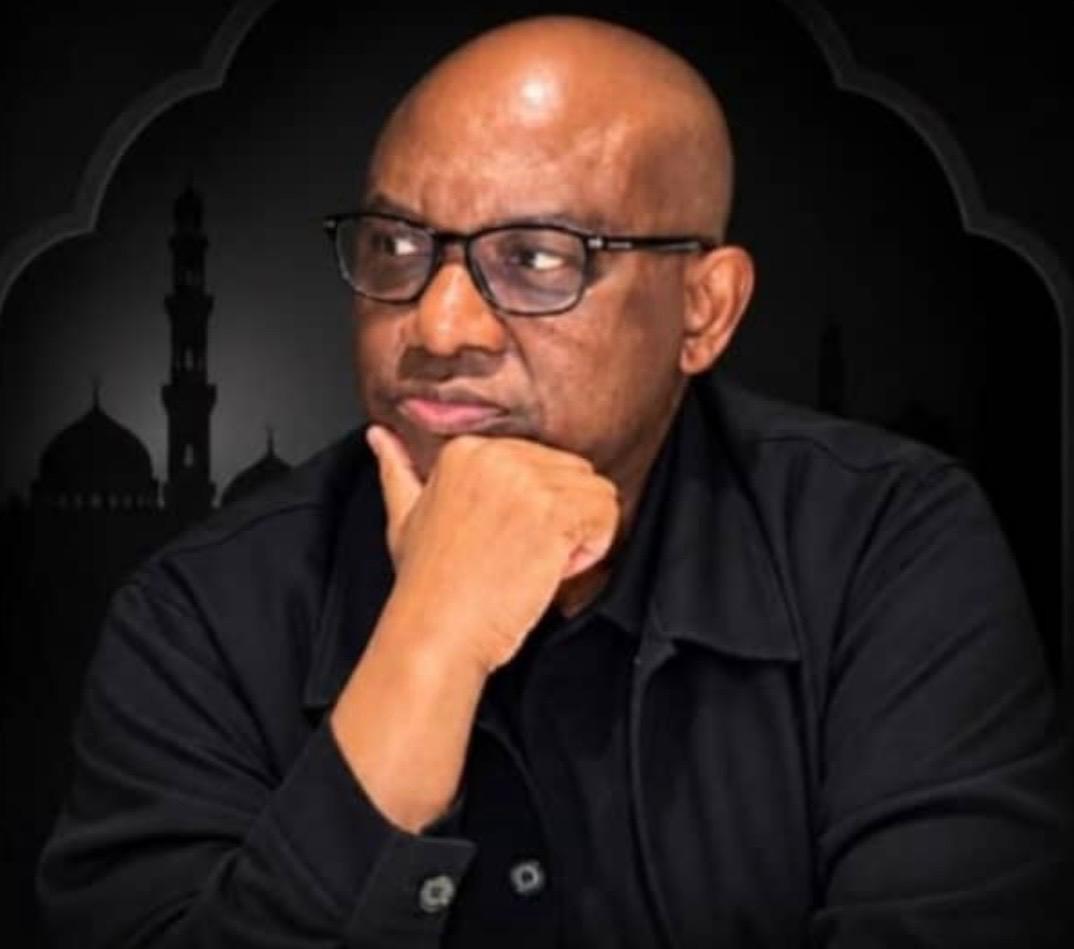
Alassane Mbaye
Contribution
















Commentaires (13)
Participer à la Discussion
Règles de la communauté
💡 Astuce : Utilisez des emojis depuis votre téléphone ou le module emoji ci-dessous. Cliquez sur GIF pour ajouter un GIF animé. Collez un lien X/Twitter, TikTok ou Instagram pour l'afficher automatiquement.
Se connecter
Commentez avec votre profil, votre photo, et soyez averti des réponses.