
Diomaye – Macky : une poignée de main symbolique et bénéfique pour l'avenir économique du Sénégal (Par Marie Babacar Ba)
Having declared his candidacy for the position of Secretary-General of the United Nations, President Macky Sall frames his ambition within a vision of reform and modernization of the multilateral system. Through his recent pronouncements and the policies he advocates, the former Senegalese head of state proposes international governance based on greater justice, strengthened institutional efficiency, and increased solidarity among nations.
At the heart of his project lies the reform of global governance. According to him, the credibility of the United Nations depends on its ability to better reflect contemporary geopolitical realities, particularly by giving a greater role to countries of the Global South in decision-making bodies. He therefore advocates for a reform of the Security Council to allow for permanent representation of Africa, arguing that it has become increasingly difficult to justify the absence of a continent of over 1.4 billion inhabitants from key decisions concerning international peace and security.
President Macky Sall also places great importance on reforming the international financial system. His approach is based on establishing a new global economic agenda designed to correct the structural imbalances that hinder the development of emerging countries and African economies. He advocates, in particular, a more equitable redistribution of Special Drawing Rights (SDRs), the development of innovative climate finance mechanisms, and a fairer restructuring of developing countries' debt.
These proposals resonate particularly strongly in the current context of Senegal. The reassessment of public debt, which has risen to nearly 132% of GDP following the so-called "hidden debts" scandal, has led to the suspension of the International Monetary Fund's financing program, amounting to approximately $1.8 billion, as well as a significant downgrade of the country's sovereign credit rating, from B- to CCC+ in less than a year. This situation, combined with the economic difficulties observed over the past two years, necessitates a stable and credible economic environment conducive to restoring confidence.
In an international context marked by profound geopolitical shifts, President Macky Sall's vision for the United Nations aims to be reformist, pragmatic, and unifying. As part of his campaign, he is holding numerous meetings with heads of state and government, thereby strengthening his diplomatic network and highlighting the experience he has gained during his terms as President of Senegal.
Beyond political sensitivities, the candidacy of a former Senegalese president for the highest administrative position in the United Nations is a matter of national prestige. Just as many states support their citizens when they seek major international responsibilities, Senegal would benefit from backing one of its most distinguished sons in this endeavor, in the best interests of the nation.
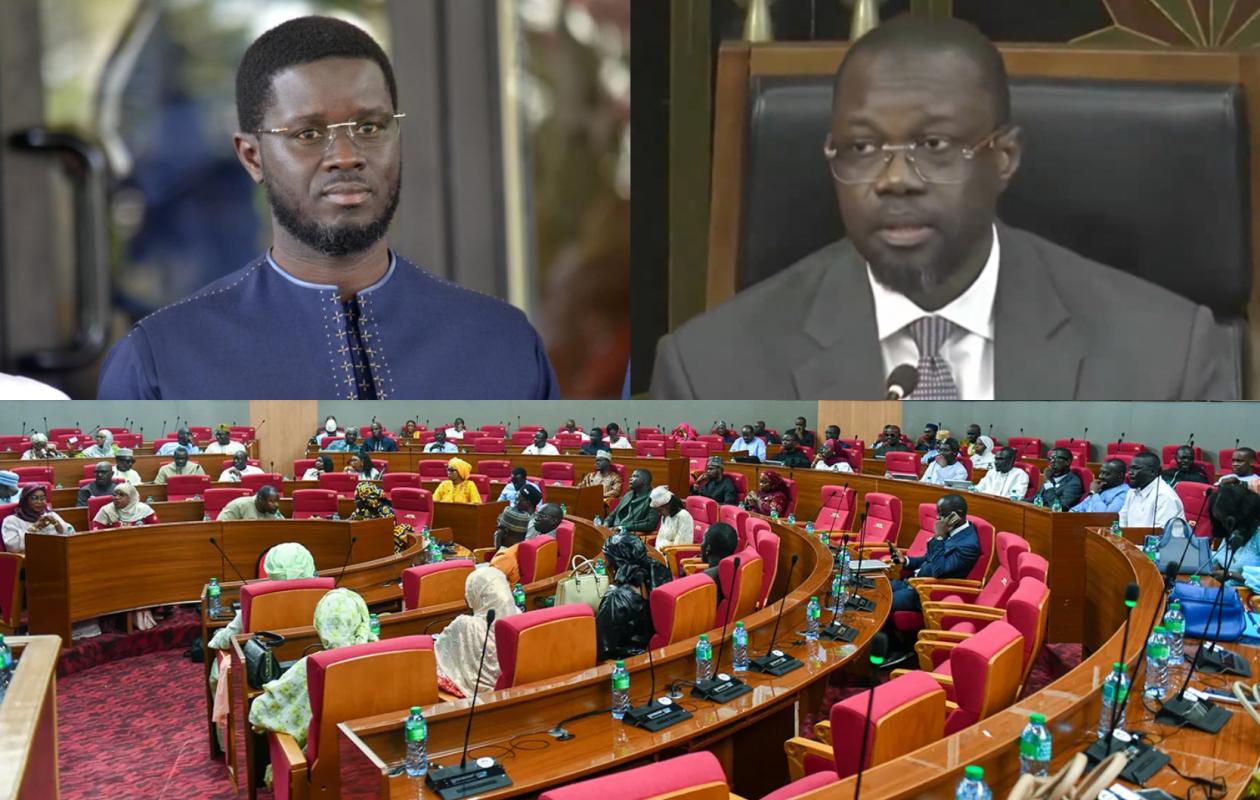
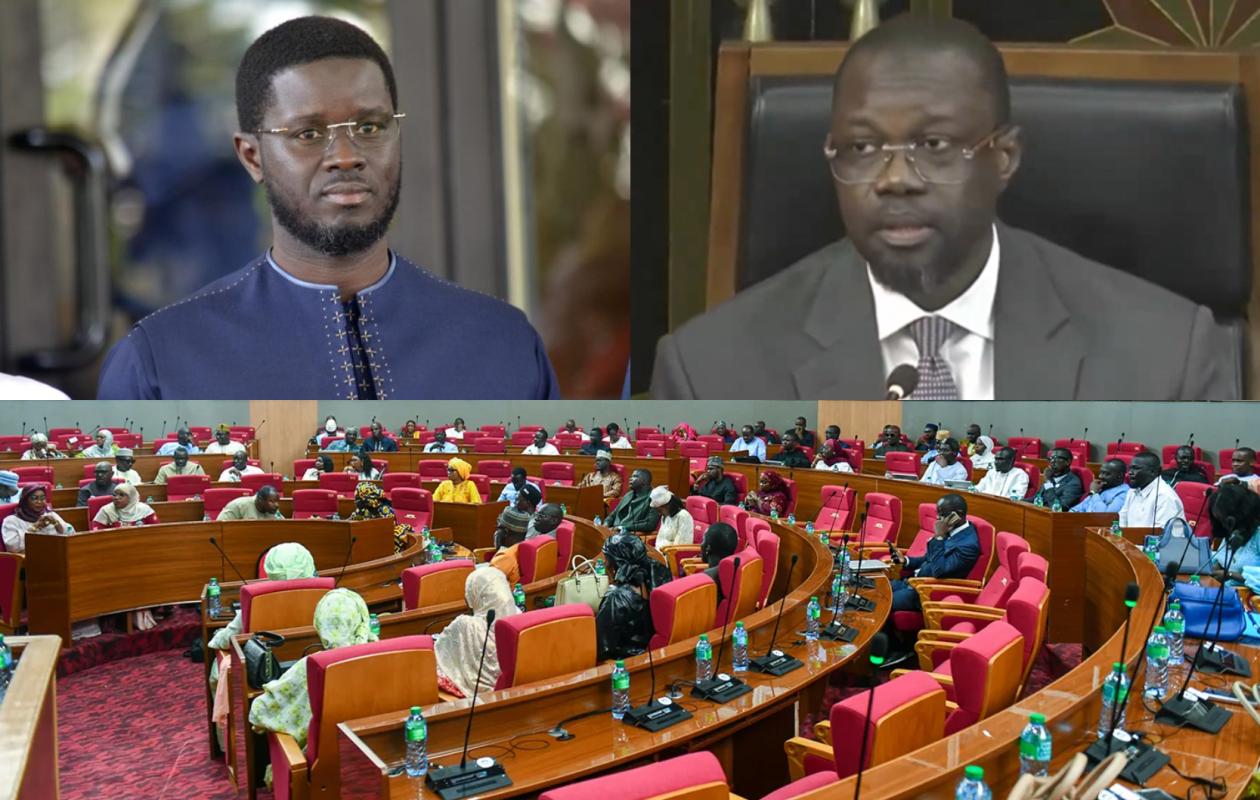
It is in this context that the handshake between President Bassirou Diomaye Faye and his predecessor, Macky Sall, takes on its full meaning. In a peaceful democracy, political differences must not hinder dialogue when the fundamental interests of the country are at stake. This gesture reflects respect for republican institutions, recognition of the continuity of the state, and a commitment to prioritizing national unity and cohesion.
Beyond its symbolic significance, this image sends a positive signal to citizens, investors, technical and financial partners, and international markets. It serves as a reminder that Senegal remains a state where institutional stability and a sense of responsibility prevail over political rivalries. This stability is, in fact, one of the main drivers of economic confidence, essential for attracting investment, creating jobs, and accelerating development.
Senegal faces major challenges today: youth employment, industrialization, local processing of natural resources, infrastructure development, and improved economic competitiveness. Achieving these goals requires a stable political climate, robust governance, and the ability to unite efforts around a shared vision.
Ultimately, this handshake in no way signifies the erasure of political differences or the questioning of democratic debate. Rather, it symbolizes the primacy of the national interest over partisan considerations. It serves as a reminder that a nation is strengthened when its leaders know how to place Senegal above divisions in decisive moments. It is in this spirit of responsibility, dialogue, and unity that a more resilient, inclusive, and prosperous economy can be built, for the benefit of present and future generations.
Economist/Writer
Former Minister
















Commentaires (6)
Participer à la Discussion
Règles de la communauté
💡 Astuce : Utilisez des emojis depuis votre téléphone ou le module emoji ci-dessous. Cliquez sur GIF pour ajouter un GIF animé. Collez un lien X/Twitter, TikTok ou Instagram pour l'afficher automatiquement.
Se connecter
Commentez avec votre profil, votre photo, et soyez averti des réponses.