
« Don de soi pour la patrie » : quand le slogan se heurte à la réalité (par Ibrahima Baba SALL)
The "self-sacrifice for the nation," repeated ad nauseam in speeches by Ousmane Sonko and his supporters, now seems to be shattered by the reality of their actions. Tested by power, what was meant to represent a break with past practices appears, to many, as a mere political slogan.
For years, Ousmane Sonko made the Prime Minister's office's political funds, amounting to 1.77 billion CFA francs, one of the symbols of the governance he opposed. He vehemently denounced what he considered discretionary spending incompatible with the transparency he promised the Senegalese people. Today, citizens have the right to ask: where has this demand for restraint and a break with the past gone?
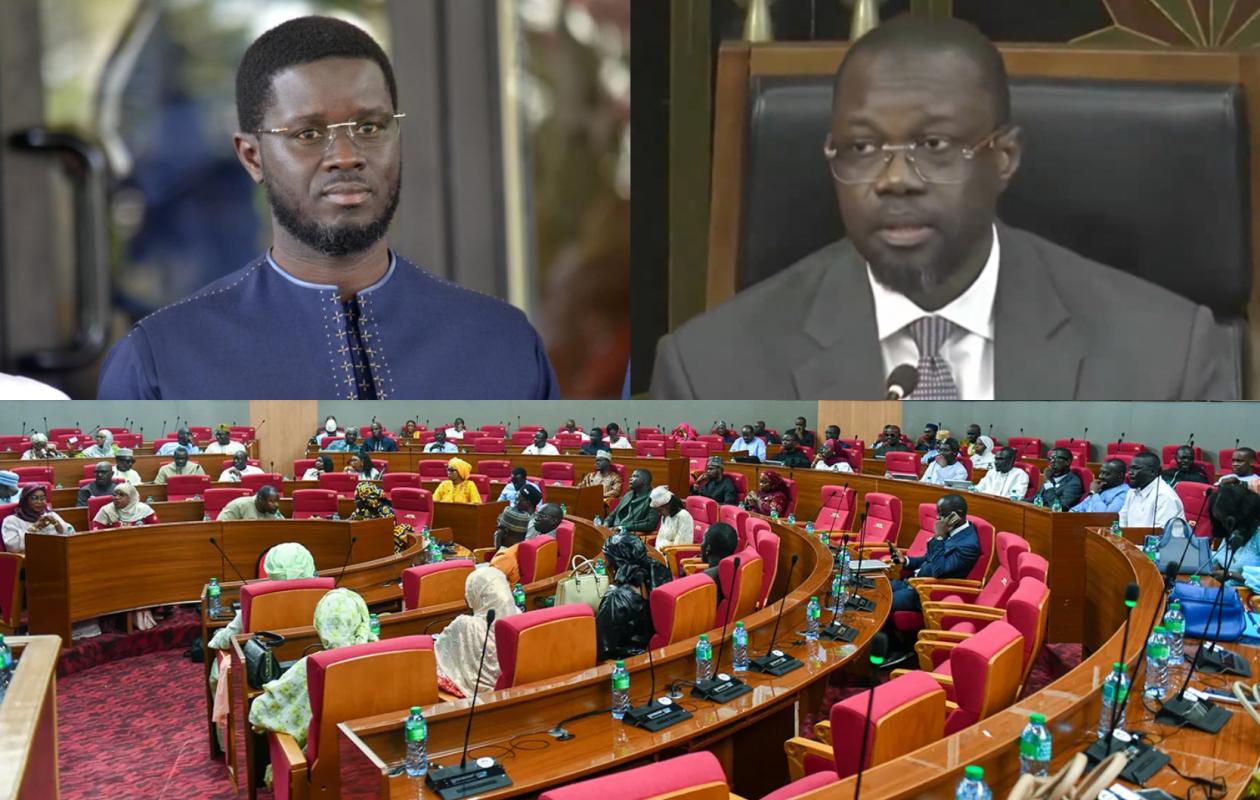
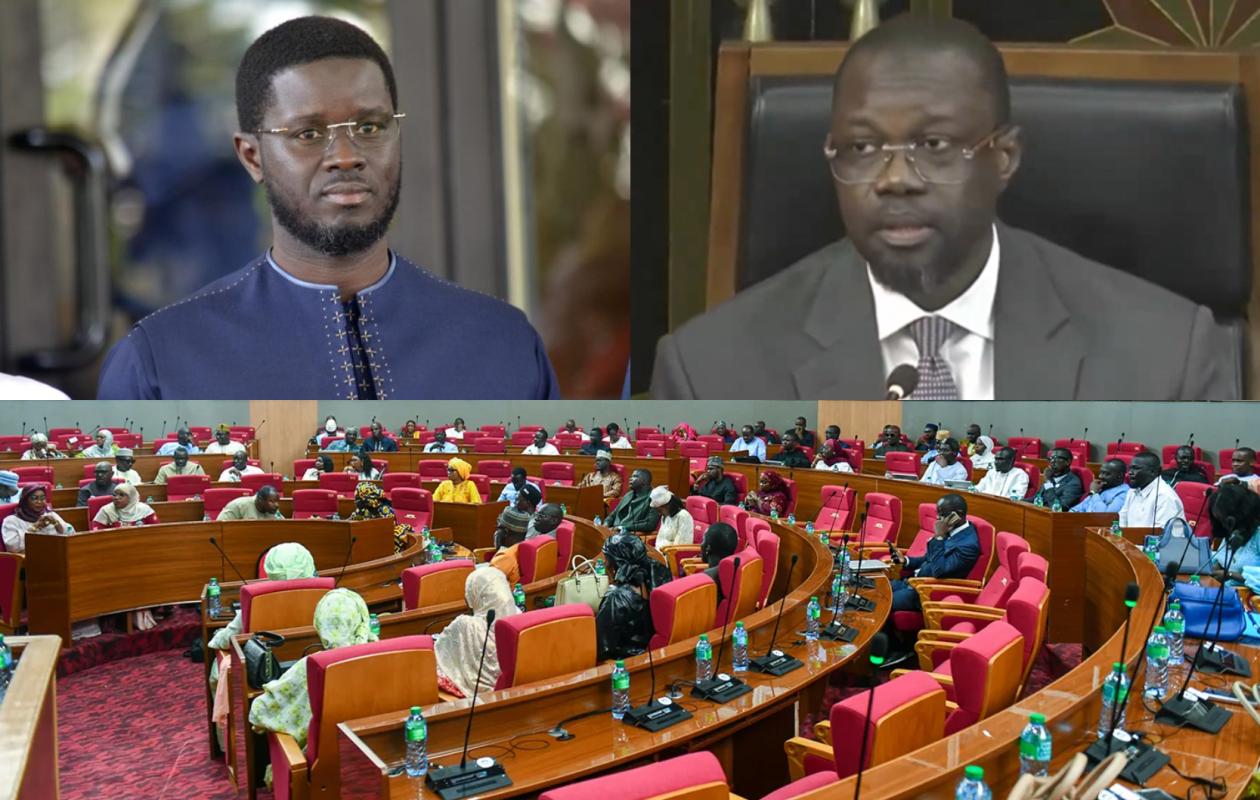
The appointment of ten former ministers from his government to his cabinet in the National Assembly raises numerous questions. What is the purpose of such a concentration of former government members in an institution whose primary function is to legislate and oversee government action? Should this be seen as an attempt to informally recreate a parallel government within Parliament? Or is it simply a matter of finding positions for political figures who have lost their ministerial posts?
This decision inevitably fuels the accusations of contradiction. Those who yesterday denounced cronyism, privileges, and patronage appointments today give the impression of reproducing the very mechanisms they promised to abolish.
Even more surprisingly, these former ministers continue to receive their salaries for several months after leaving the government, in accordance with applicable rules. Consequently, many question the wisdom of immediately assigning them new roles, when numerous competent professionals, long-time activists, or ordinary citizens could have brought fresh perspectives and diverse skills to the workings of the National Assembly.
This situation is fueling frustrations within Pastef itself. Many activists, who made significant sacrifices during the years in opposition, can legitimately wonder whether the promised change meant expanding opportunities or concentrating responsibilities among the same people. There is a significant risk of disappointment among those who believed the break would primarily be a break with the old practices of distributing positions.
Beyond these appointments, another lesson seems to have emerged from recent months. The exercise of power has underscored a fundamental institutional reality: in Senegal, the President of the Republic remains the head of state and the holder of the main constitutional prerogatives of the executive branch. Recent events have shown that the conduct of state affairs is not limited to militant rhetoric or mobilizations on social media.
Meanwhile, Ousmane Sonko, now unemployed, seems to be devoting a significant portion of his energy to strengthening his party's political presence, particularly through tours and membership drives. This choice can be interpreted as a desire to consolidate an organization whose reach remains particularly strong online but weak across the country.
Finally, the time for assessment has arrived for the Solutions project, presented as the result of input from nearly 4,000 professionals. The Senegalese people had a right to expect exemplary governance, ambitious reforms, and legislation that lived up to the promises made over many years. The more time passes, the more the contrast between the stated ambitions and the initial achievements fuels public debate.
In politics, rhetoric is seductive, but actions are convincing. True change isn't proclaimed; it's demonstrated. When yesterday's practices seem to reappear in new guises, it becomes difficult to maintain that change has truly arrived. "Self-sacrifice for the nation" can only be credible if it first applies to those who wield power, by renouncing privileges, personal loyalty, and political maneuvering. Otherwise, it will remain what many are beginning to see: an effective slogan for seizing power, but insufficient for convincing others in its exercise.
Ibrahima Baba SALL
Former First Vice-President of the National Assembly
Mayor of Bakel.



















Commentaires (16)
Participer à la Discussion
Règles de la communauté
💡 Astuce : Utilisez des emojis depuis votre téléphone ou le module emoji ci-dessous. Cliquez sur GIF pour ajouter un GIF animé. Collez un lien X/Twitter, TikTok ou Instagram pour l'afficher automatiquement.
Se connecter
Commentez avec votre profil, votre photo, et soyez averti des réponses.