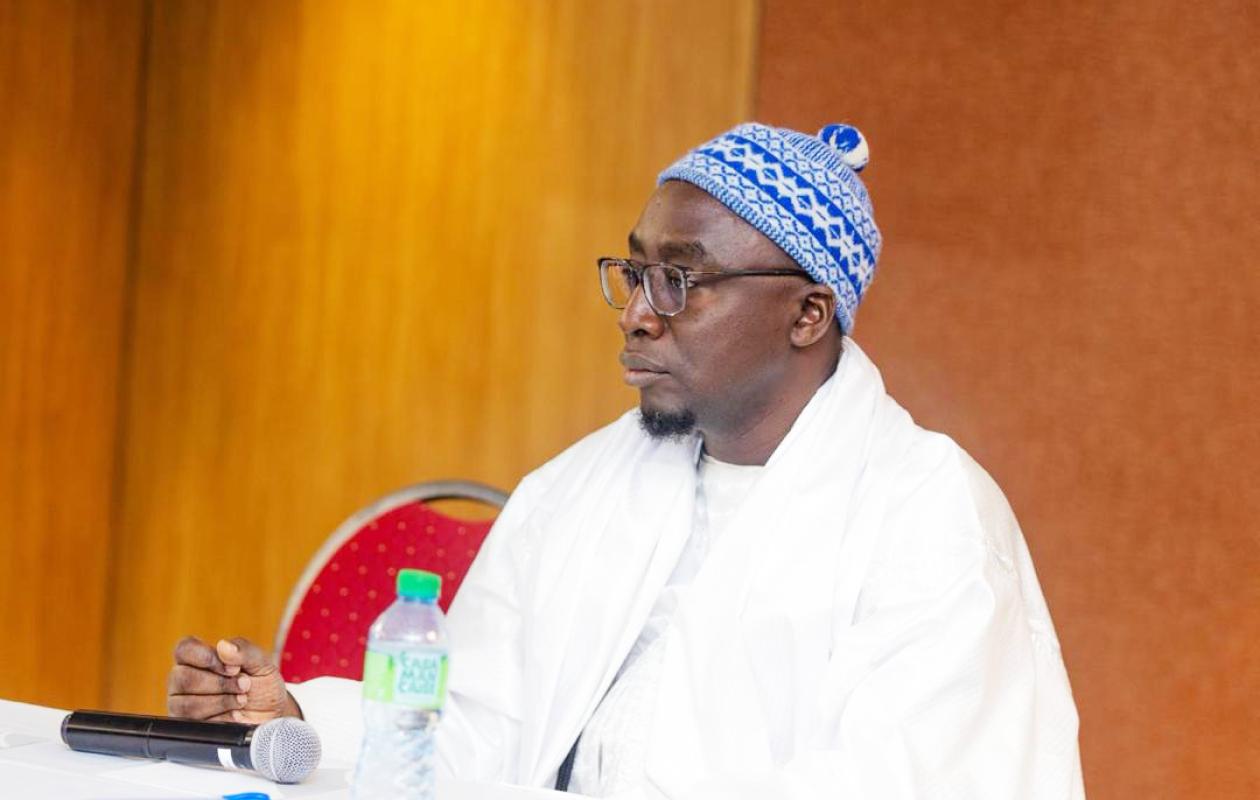
Du Grand Magal au tourisme religieux mondial : Touba, une cité sainte au potentiel asphyxié par le déficit d'infrastructures (Par Babacar Gueye)
Every rainy season, the same distressing scene unfolds: entire neighborhoods submerged by floodwaters, an impassable road network, and a sanitation system on the verge of collapse. Touba, Senegal's second-largest city and the true engine of the national economy, suffers from a structural infrastructure deficit that calls into question the actions of public authorities. While the holy city draws millions of pilgrims during the Grand Magal and generates colossal financial flows, the state too often continues to approach its development from the perspective of immediate emergencies rather than as a strategic investment with high national returns.
An unavoidable demographic and economic power
According to data from the latest General Population and Housing Census (RGPH-5), the department of Mbacké now has more than 1.35 million inhabitants, including more than 1.2 million for the single commune of Touba Mosquée, making the religious city the second largest city in the country.
On the economic front, Touba's influence extends far beyond the regional level. According to a joint study conducted by Cheikh Ahmadoul Khadim University (UCAK) of Touba and Alioune Diop University of Bambey (UADB), the overall economic impact of the Grand Magal now amounts to 630 billion CFA francs (broken down into 375.3 billion direct effects, 102.9 billion indirect effects and 151.4 billion induced effects).
This gathering brings together more than 5.1 million pilgrims:
* Average expenses per pilgrim amount to 132,000 FCFA.
* Host households spend an average of 3.9 million FCFA to receive their guests.
* The livestock sector alone generates nearly 33 billion FCFA through the sale of more than 100,000 ruminants.
* Nearly 90% of local businesses are experiencing a major increase in sales, with many generating up to 70% of their annual revenue during this period.
The paradox of infrastructure: a hindrance to national potential
Despite this financial and social windfall, Touba continues to face systemic deficiencies. The lack of comprehensive and sustainable sanitation networks transforms the city into a vulnerable zone as early as August. Local retention basins (Keur Niang, Darou Rahman) are no longer sufficient to keep pace with urbanization, paralyzing commercial activity and deteriorating public health.
These shortcomings limit Senegal's ability to sustainably capture the added value generated by the city. By failing to equip Touba with modern roads, drainage networks, water infrastructure, and waste management systems commensurate with its status, the state is depriving itself of an exceptional growth driver.
The Example of Mecca: A Paradigm Shift for Religious Tourism
Just as Saudi Arabia has been able to build around Mecca an ultra-modern pilgrimage industry that creates value, jobs and sustainable infrastructure, Senegal must make religious tourism a formal pillar of its development strategy.
The UCAK and UADB study demonstrates that structuring Touba's industrial and logistical infrastructure would create over 100,000 sustainable jobs within three years, notably through:
* Industrial development of the leather sector: Local processing of hides from the 100,000 sacrificed animals would supply professional tanneries and leather goods units.
* The development of agribusiness: A structured local fruit and vegetable production to meet the demand of millions of visitors would reduce imports and generate 8,000 to 8,500 direct jobs.
* A logistics and technology hub: The creation of storage platforms, structured hosting and advanced telecommunications services.
Call to Public Authorities: Invest to Generate Profit
The ad hoc commitments and emergency sanitation plans announced over the years are no longer a satisfactory response. It is urgent to adopt a Special Development and Investment Plan for Touba, conceived not as a recurring budgetary burden, but as a productive investment.
Granting Touba priority facility status with world-class infrastructure (stormwater and wastewater sanitation, heavy road infrastructure, logistics hubs, wastewater treatment plants) will directly benefit the Senegalese public treasury through the expansion of the tax base, job creation and the country's international profile.
It is time for the State to view Touba with the eyes of economic ambition and modernity. Touba does not just need aid; it offers Senegal the keys to its own prosperity.
Babacar Gueye, Mouride disciple














Commentaires (10)
Wakh dji bari way
Participer à la Discussion
Règles de la communauté
💡 Astuce : Utilisez des emojis depuis votre téléphone ou le module emoji ci-dessous. Cliquez sur GIF pour ajouter un GIF animé. Collez un lien X/Twitter, TikTok ou Instagram pour l'afficher automatiquement.
Se connecter
Commentez avec votre profil, votre photo, et soyez averti des réponses.