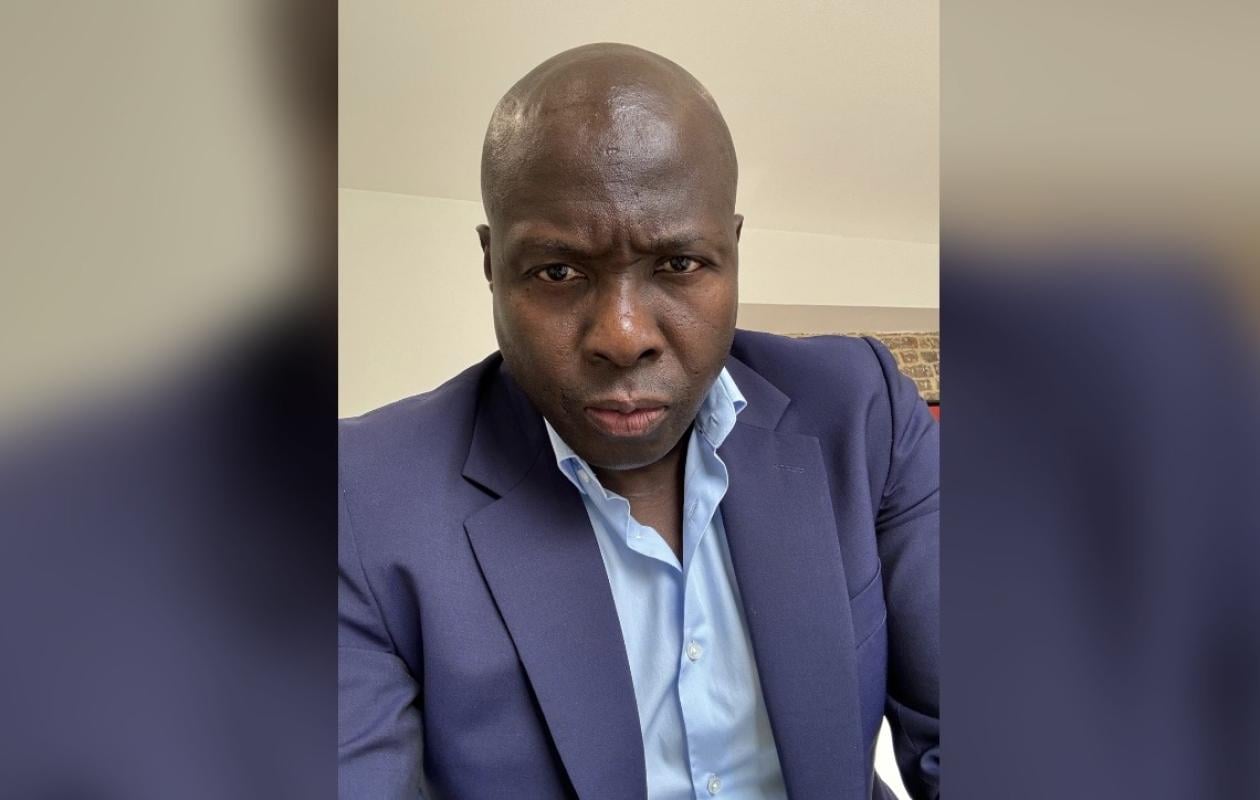
Fonds spéciaux : le vrai débat n'est pas celui qu'on nous vend (Par Papis Traoré)
For weeks, Senegal has been tearing itself apart over a trivial matter. The demand is for a definitive answer: did he, yes or no, manage 1.77 billion CFA francs at the Prime Minister's office? The country is in turmoil, television studios are buzzing, and social media is abuzz. Meanwhile, the real question remains unanswered, ignored by everyone. This trial by innuendo suits many people just fine. It keeps them occupied. It diverts attention while Senegal's economy deteriorates. It makes us forget what a citizen should truly want to know about their own money.
Let's start with what is not up for debate. We don't make progress in a debate by trampling on the facts.
These funds exist, and no one in their right mind disputes it. They stem from a 2004 decree, signed under Wade, which established a program for peace in Casamance at the Prime Minister's office. This is a public document, published in the official gazette, which anyone can consult. Their existence is therefore perfectly legal. And what about transparency regarding public funds? The entire coalition that supported Bassirou Diomaye Faye claims to uphold it. On this point, there are not two opposing sides. There is only one promise, made to the same Senegalese people.
But here's the thing: someone shouted this promise louder than anyone else. Someone who publicly challenged anyone who would dare claim to be managing political funds. And this same man ended up revealing the amount, once he was removed from power. Between the challenge thrown down to the activists and the admission forced by the facts, there's a chasm. It's in this chasm that the question everyone is so determined to bury lies hidden.
From existence to use
Public funds are not a blank check upon signature. They have a purpose. The 2004 allocation clearly states this purpose: peace in Casamance. And that is precisely where everything hinges. Because the day money labeled "Casamance" is used to buy vehicles or renovate an administrative building, while demining equipment sits idle in Ziguinchor, the issue has shifted. It is no longer a question of legality. It is a question of keeping one's word. Of what the administration bluntly calls a misappropriation of funds.
Let me be clear: I am not issuing any condemnation. I am refusing to accept this sleight of hand. They would have us believe that a "traceable" fund would, miraculously, be a transparent fund. This is false, and everyone knows it. Keeping track of an expense is one thing; being accountable for how it was used is quite another. Showing your statements without ever admitting how you used them is not transparency. It's audacity. And audacity has never been a guarantee of accountability.
This is what they're trying to stop us from saying. Those who want to trap the country in the "who lied?" debate have a clear interest in ensuring that no one ever asks: and where did that money go? The first question panders to emotions and costs nothing. The second entails responsibility. That's precisely why it's avoided.
Two ways of talking about transparency
There are two ways to claim transparency. The first is to patiently reform institutions to make them accountable for their actions, without weakening them or using them as a stepping stone. This is President Faye's approach: he has published his assets and proposes submitting major reforms to a referendum, that is, to the people. This is a transparency that takes its time, that doesn't seek to eliminate those responsible, but that establishes its own rules.
The second is far more vociferous. It weaponizes transparency, erecting a permanent tribunal where the same man is prosecutor on Monday and defendant on Friday. It takes a budget debate—thankless, technical, but essential—and transforms it into a battering ram against the executive branch born of the same victory, the same promise, the same vote. This kind of transparency strengthens nothing. It fractures the state in the name of a virtue that condemns in others what it absolves in itself.
Let's call a spade a spade. This isn't a crusade for clarity; it's a survival tactic disguised as morality. You can't rebuild a country by holding it hostage to its own contradictions.
The real challenge, if we're serious
Since everyone is now swearing by oversight, let's take them at their word—starting with the loudest voices. The presidential camp has no reason to fear accountability; it should be pushing it further than anyone else. Let's properly regulate these funds. Let's subject their use to independent auditing. Let's ensure that a single "Casamance" franc can no longer end up anywhere other than in Casamance without some authority having to explain itself. Now that's a reform that would elevate the country. Controversy, on the other hand, only benefits those who perpetuate it.
The line must be clear: reform without destroying, control without manipulating, accountability without resorting to settling scores. This is the line of responsibility. And this is what the Senegalese people expect, they who did not vote for a soap opera, but for their country to be governed.
The question has never been who writes the most eloquent speech about transparency. It's who still accepts it when it turns against them. On this front, those who genuinely want to reform can proceed without fear. It's those who have made suspicion their business who should be worried.



















Commentaires (8)
Au moins un senegalais honnête
Participer à la Discussion
Règles de la communauté
💡 Astuce : Utilisez des emojis depuis votre téléphone ou le module emoji ci-dessous. Cliquez sur GIF pour ajouter un GIF animé. Collez un lien X/Twitter, TikTok ou Instagram pour l'afficher automatiquement.
Se connecter
Commentez avec votre profil, votre photo, et soyez averti des réponses.