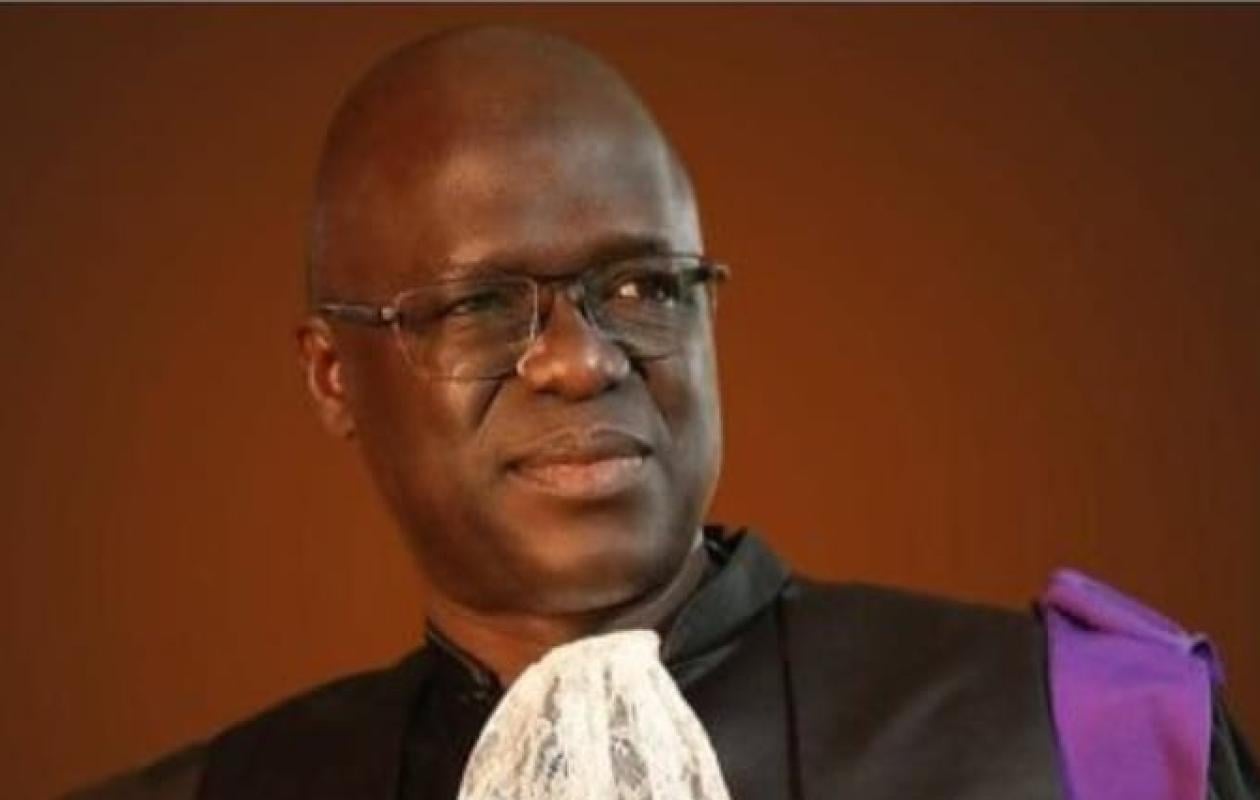
Gestion de la dette au Sénégal : après l’accord avec le FMI, bien négocier les prochaines étapes (ParProfesseur Ahmadou Aly Mbaye)
Since the agreement between Senegal and the IMF was announced, controversies surrounding debt restructuring, which had paradoxically subsided in the public debate, have suddenly resurfaced. Beyond the semantics of restructuring versus reprofiling or other terms, it is clear that Senegal could no longer avoid an agreement with its creditors for debt rescheduling; otherwise, its financial credibility and long-term growth prospects would be severely threatened. In the new chapter that opens with this agreement, Senegal should strive to find a compromise with the relevant international actors on key issues such as the duration of negotiations and the costs of the rescheduling.
Refusing an agreement was not an option for Senegal
Even a cursory examination of Senegal's economic and financial situation reveals that the country clearly could no longer afford to maintain the status quo. Until the end of 2024, bilateral and multilateral debt, contracted on concessional terms by the central government, represented 57% of outstanding debt, compared to only 19% (35% for Côte d'Ivoire) for Eurobonds, according to the Public Debt Statistical Bulletin published by the Senegalese government in 2026. This structure was far better than that of many other African countries. However, since the revelation of this "hidden debt" and the resulting suspension of the program with the IMF, the country has become isolated from international capital markets and relies solely on domestic and regional markets to cover its financing needs. The ratio of domestic debt to foreign debt thus rose from 22% in 2019 to over 40% at the end of 2024, according to the same source. Even though it is not repaid in foreign currency, this debt corresponds to much more unfavorable maturity and interest rate levels. This situation, in addition to gradually transferring national systemic risk to the WAEMU region, exposed the country to certain insolvency in the short term.
Furthermore, even if official statistics do not reveal their full extent, the Total Return Swaps (TRS) used recently have likely contributed to further deteriorating the debt structure, while simultaneously confirming the fragility of the country's financial situation. Finally, certain debt maturities were approaching dangerously close, requiring enormous resources at a time when a sluggish national economy was limiting opportunities to improve domestic resource mobilization. Projected debt service, based on commitments made, thus amounts to 5,498 billion FCFA in 2026, with interest payments alone accounting for 25% of the budget.
On the other hand, even if bilateral and multilateral donors had not officially suspended their commitments to Senegal, the implementation of many of their programs would undoubtedly have been hampered by the significant delays in repayment observed for certain debts.
Regarding long-term growth and development prospects, the specter of the "lost decades" of the 1980s and 1990s loomed large over the country's economic future. Indeed, the projected growth rate for 2026 was 2.5%, income transfers to poor households had become uncertain, and both public and private investment had declined dangerously.
The agreement reached with the IMF will certainly help to loosen the grip on the country's finances and economy and will open up new prospects which, if well managed, could be more favorable for its financial credibility and long-term development.
Managing the very delicate steps ahead
The agreement signed with the IMF, subject to its validation by its Executive Board, does not close the chapter on crisis management, but opens a new page.
The first challenge that Senegal, its creditors, and the IMF will have to manage concerns the length of negotiations required to reach a debt restructuring agreement. In Zambia's case, the debt treatment period was four years, three and a half years for Ghana, and two years for Sri Lanka. The fact that some debts are prioritized over others gives certain lenders the impression that they are subsidizing the rest, thus contributing to the complexity of the negotiations. This is especially true since restructuring often involves reductions in the principal of some debts ( haircuts ), leading to difficult discussions on how to share the burden associated with these debt losses.
At the same time, private creditors, often very nervous about having to make concessions on the value of their claims or the repayment terms, hesitate to make new commitments to the debtor country. As a result, countries in the process of discussing debt restructuring are often cut off from international capital markets. In the case of Senegal, which was already isolated from international markets since the revelation of the "hidden debt," the impact of this factor is minimized. Another positive point for Senegal is that the regional market, which has since served as an intermediary, is apparently not affected by the debt restructuring. This should allow the State to maintain its credibility there. It should be noted that in the case of many countries, the domestic banking system has been an integral part of the restructuring plans. This situation led to losses in claims for national banks and a loss of credibility for the State with regard to its own banking system. In the case of Ghana, for example, this resulted in a significant reduction in the national banking system's commitments to the State in the post-restructuring period.
Finally, another aspect of the negotiations that Senegal should follow closely is the cost of any debt restructuring for the debtor country. Often, debtor countries, like their creditors, are assisted by consulting firms during negotiations. The problem is that debtors also pay for their creditors, according to established international standards. These cumulative payments, often confidential, sometimes represent a significant portion of the benefits derived from the negotiations between debtors and creditors. For example, Sri Lanka's payments to its consultants alone amount to over $11 million, compared to $35 million for Ghana and $45 million for Zambia. Since a large part of these costs also depends on the duration of the negotiations, reducing this duration would significantly minimize them.
Opportunities that Senegal could seize
In the new G20 debt management framework, all indications suggest that lessons learned from recent debt restructuring experiences in developing countries should be used to better prepare for future ones. It would indeed be surprising if, despite criticism of the lengthy negotiation periods for debt relief in countries like Ghana and Zambia, the same mistakes were repeated.
Diplomacy is a crucial tool that Senegal could use, particularly in its dealings with creditors. China and France, Senegal's two main bilateral donors, can also play a significant role, alongside Senegal's many other allies, in the later stages of negotiations, aiming to find a solution that does not harm the country's interests.
Whatever the scenario, some form of fiscal consolidation (spending reductions and improved revenue collection) will be necessary to free up fiscal space to meet debt servicing costs while simultaneously preserving investment and social spending. In my opinion, this should not be a cause for concern, given that there are several avenues for fiscal rationalization that the country could explore to achieve savings and generate additional resources without compromising long-term growth or the well-being of its people. Many companies in the semi-public sector are perpetually loss-making and dependent on constant financial support. Similarly, many public agencies still struggle to demonstrate the value of their mission. Now is the time for the government to reassess its institutional portfolio and make sound decisions about which structures to retain and which to eliminate.
Similarly, costly energy subsidies are no longer justified now that renewable energy has become cheaper and its production and storage technology has improved significantly. Directing subsidies towards the creation of long-term capacity in this sector would be a more relevant option. In the current climate, it is imperative to identify and exploit all opportunities for cost rationalization and innovative financing.
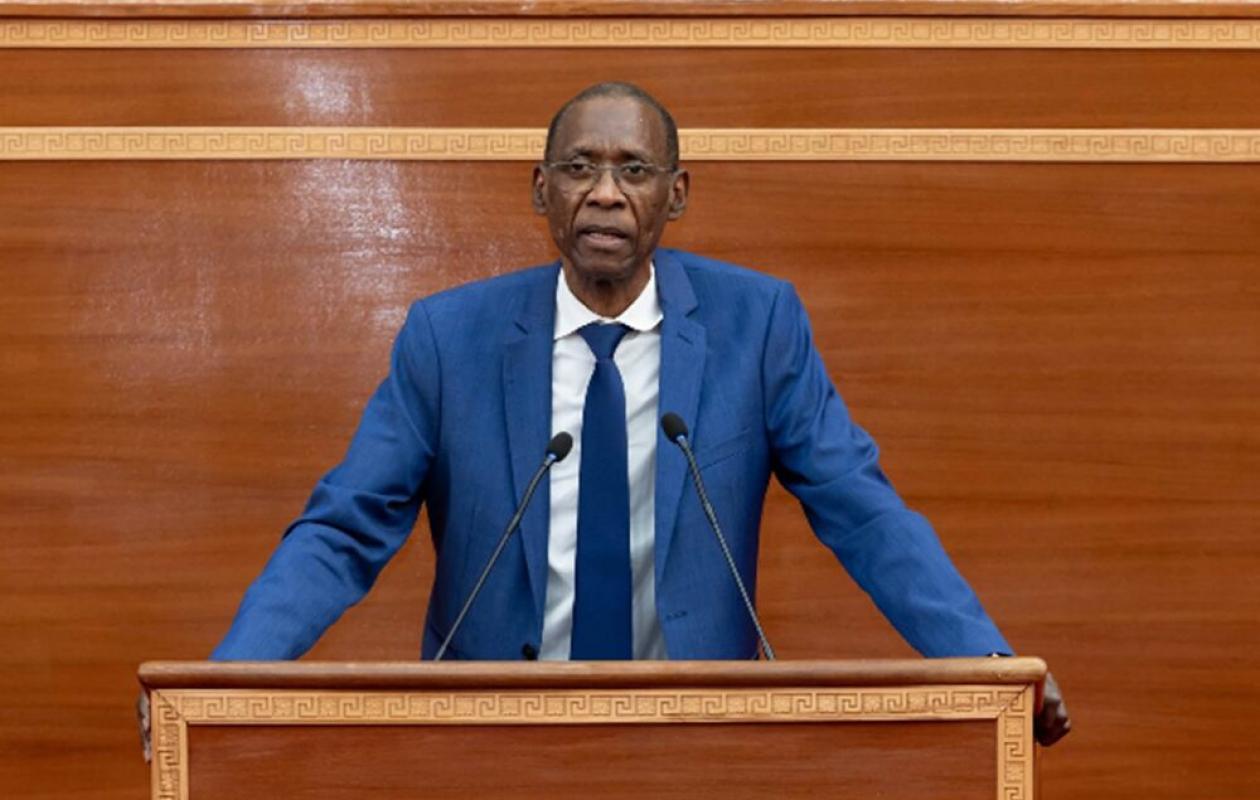
Professor Ahmadou Aly Mbaye ,
Senegalese economist and
former rector of Cheikh Anta Diop University (UCAD) of Dakar













Commentaires (3)
Participer à la Discussion
Règles de la communauté
💡 Astuce : Utilisez des emojis depuis votre téléphone ou le module emoji ci-dessous. Cliquez sur GIF pour ajouter un GIF animé. Collez un lien X/Twitter, TikTok ou Instagram pour l'afficher automatiquement.
Se connecter
Commentez avec votre profil, votre photo, et soyez averti des réponses.