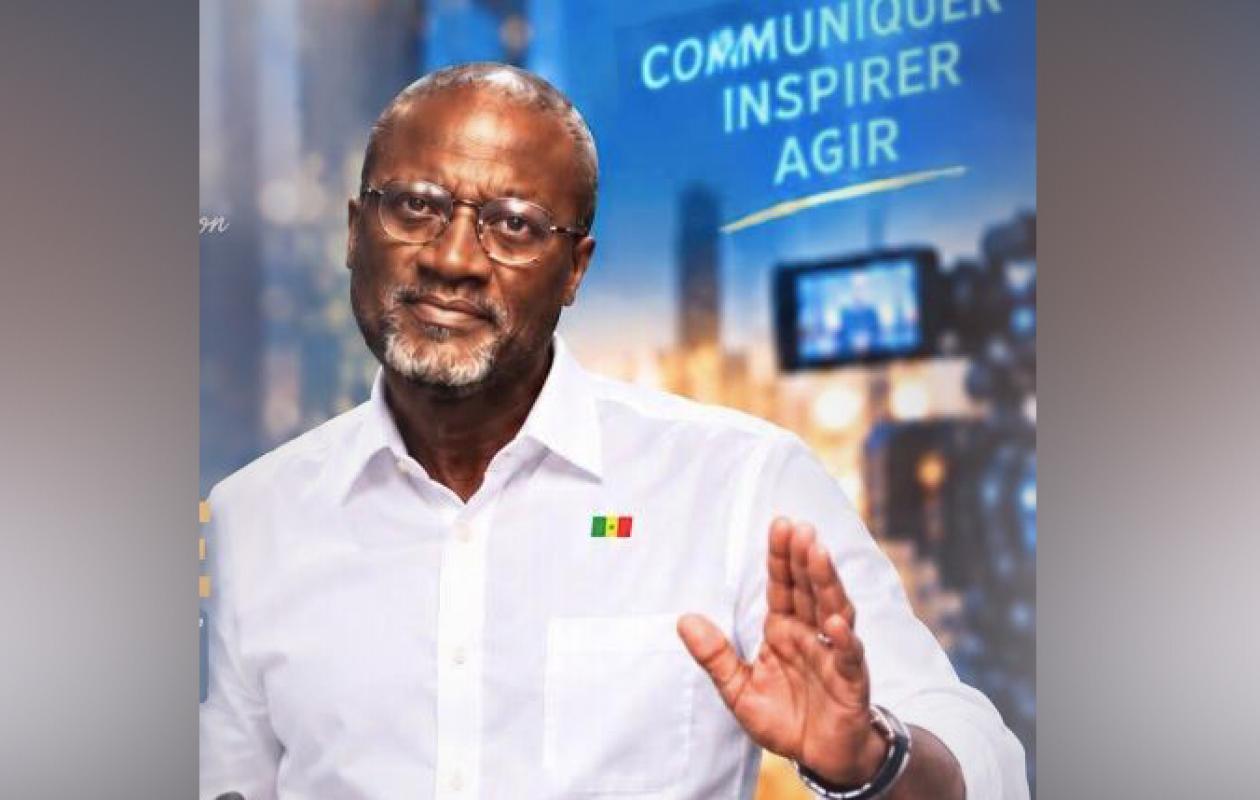
GUEST-‘‘ET DIT TÔT’’ COUPLAGE DES ÉLECTIONS LOCALES ET DES LÉGISLATIVES : LE MÉTÉORE DE LA PLANÈTE … MARS 2027 ? OU LE FANAL DU ‘‘RIBIDION’’ 2027 ? (Par Ousseynou Nar Gueye)
And meanwhile, during this weary time, far-right extremists of all stripes in France are vying for the symbolic legacy of Jean-Marie Le Pen, as the April 2027 presidential election looms, in a climate where everyone fears the supposedly inevitable rise to power of the far right. Toubabie, dear adult citizens and voters of Aphrance, prepare yourselves, we implore you, to vote for Mélenchon to silence the fears that the National Rally, with its "hate-fueled" rhetoric of Marion Anne Perrine (Marine's real first names) Le Pen, is stirring up around immigration, national identity, and the supposed atavistic insecurity in so-called "difficult" neighborhoods. As in 2002, a republican bulwark will be needed. Le Pen or Bardella? It's all the same. And may the donkeys forgive me for involving them in this controversial French political scene…
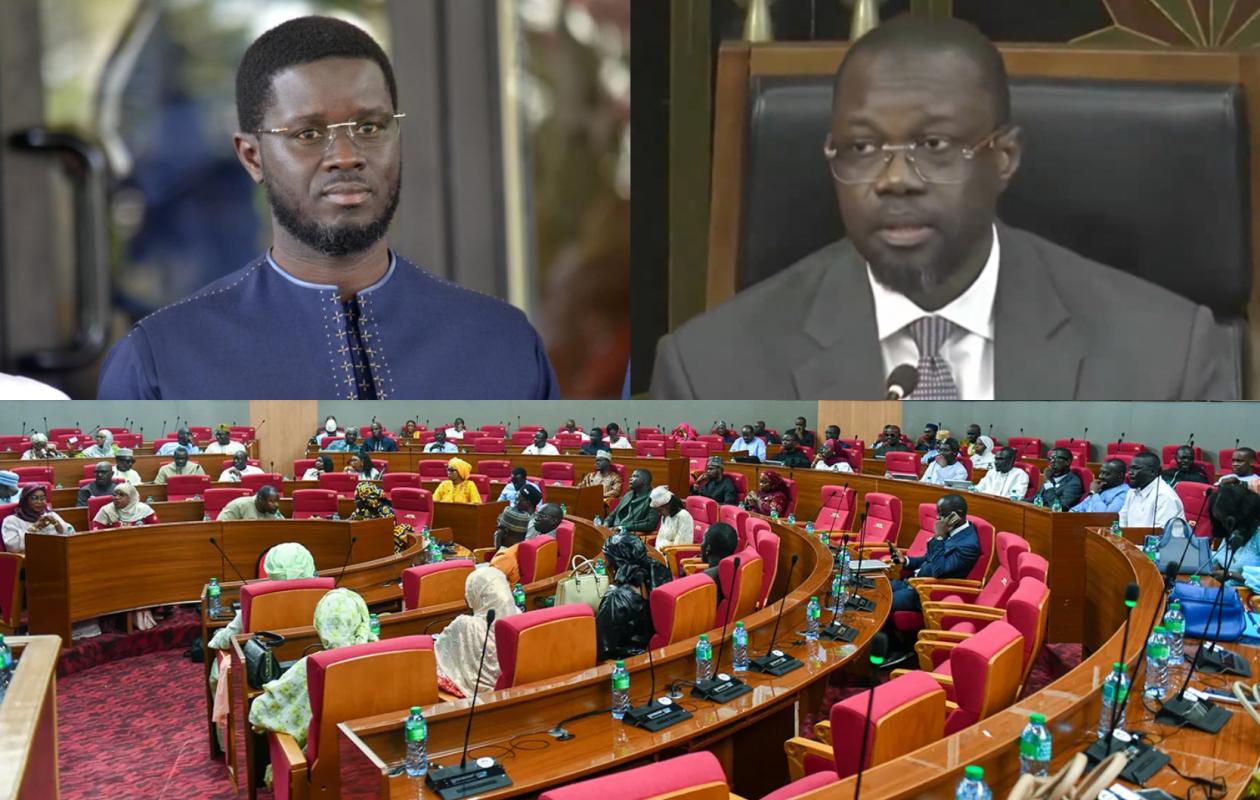
Turning to Senegal, after hearing President Diomaye's interview in New York, the alternative seems to be the following: either we have a combined local and legislative election, as we see from around the world… March 2027, or the local elections are postponed until the end of 2027, in December, as President Diomaye indicated, relying on the Supreme Court's decisions. The Court was petitioned by civil society and the opposition to convince him to set the local elections for no later than January 17, 2027. The Court considered that the absence of a decree setting the election date did not, under current law and facts, compromise their organization, and that no strict deadline was imposed on the competent administrative authority.
So, what happened to the idea of combining the local and legislative elections? It's not a decision announced by the President. It's been discussed in the Senegalese press, particularly regarding the scenario of dissolving the National Assembly followed by holding both elections simultaneously. However, in his interview with RFI and France 24, President Faye specifically stated that, at this stage, there was "no fixation on dissolving the Assembly" and that he would decide "when the time comes," depending on the context. Because, for the moment, between an unannounced dissolution, local elections with no set date, and a president who says he doesn't want Senegal to fall into a "permanent electoral obsession," the electoral calendar looks more like a political equation in limbo than a pre-established agenda.
"March 2027: the electoral planet?"
The Senegalese hypothesis of a coupling could give local elections a much stronger national dimension than that of simple local-to-local "mbappatic" contests. Because as far as the country of the veterinarian Birago Diop who knew how to treat horse fevers is concerned, the only presidential plan that holds water and clears the horizon for the whole country to (re)start to work is to dissolve the Pastefist and very unpasteurized National Assembly, starting from December 3, and to combine the legislative and local communal territorial elections to organize them at the end of March 2027 (on the highly symbolic date of March 24 which was that of the last Senegalese presidential election? or on the date of the following day March 25, 2027 which is the day of birth and anniversary of PR Diomaye to play the card of feelings and on the sensitive chord of the affectionate "ndeyssane" of the Senegalese people?) towards an electoral-referendum Mortal Kombat of all clarifications. Clarification first between the fratricidal Diomaye-Sonko camps (oscillating between Brutus and brutalism), and also, why not, between the regime with two angry Siamese heads executive-legislative on the one hand and on the other hand, what should be called the conventional opposition, from which we are still waiting for the awakening of sleeping lions (or toothless lions?).
It is precisely at the moment when we are being urged from the highest levels of government to stop worrying about politics and to let the country (and allow it to) get to work, that we still find ourselves talking about politics. Including partisan politics. Especially if it is the fate of the economy that is at stake for us.
Let's talk about politics for several reasons, which are as follows. If you don't get involved in politics, "politics will get involved in you." Furthermore, the Diomayen state, even though it is currently still slow to pay its dues according to criticisms regularly voiced in public debate, is the largest client of the national private sector. Moreover, the Diomayen state is the largest employer in terms of the number of formal jobs in the country and has the largest payroll supported by its public treasury.
Finally, having strategic information on politics, politicians and public policies means being able to make better decisions when you are a decision-maker and being able to make informed choices when you are a citizen concerned about the future of new generations, the daily lives of the marginalized and the future of our national leadership.
The real issue, ultimately? Beyond the dates, the possible combinations, the potential dissolutions, and the partisan battles, one question remains: what electoral calendar will allow Senegal to permanently clarify its institutional landscape while enabling the state and the private sector to fully resume their work? Perhaps this is the true question of 2027. Today is already tomorrow.
Ousseynou Nar Gueye
President of NRJ, New Just Republic



















Commentaires (2)
Participer à la Discussion
Règles de la communauté
💡 Astuce : Utilisez des emojis depuis votre téléphone ou le module emoji ci-dessous. Cliquez sur GIF pour ajouter un GIF animé. Collez un lien X/Twitter, TikTok ou Instagram pour l'afficher automatiquement.
Se connecter
Commentez avec votre profil, votre photo, et soyez averti des réponses.