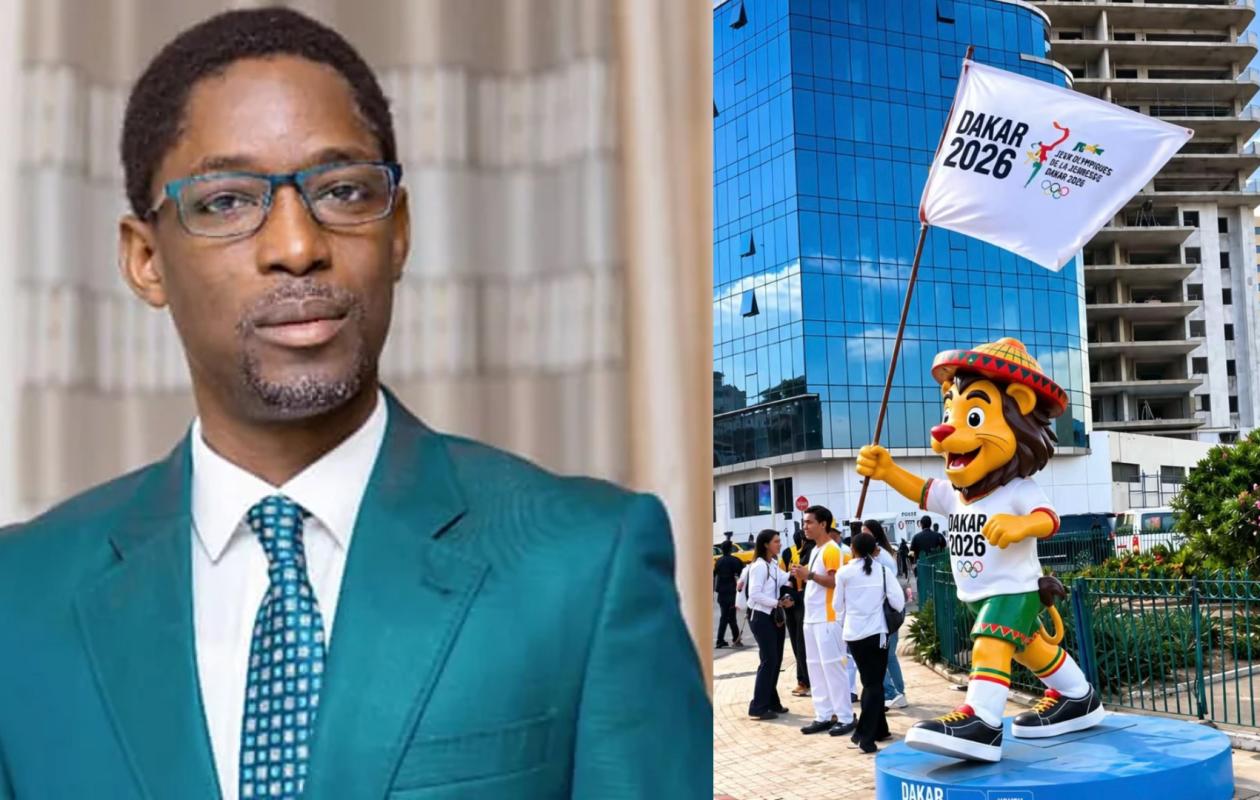
JOJ Dakar 2026 : deux semaines de jeux, dix ans d’enjeux économiques (Par Pr Thierno THIOUNE)
Since Saturday, Dakar has been experiencing a historic moment: for the first time, the Olympic flame is burning on African soil. Beyond the emotion and legitimate pride, the economist in me sees these Games as a crucial issue for our country. Can these two weeks of competition become ten years of development? Because a major event is neither a wasted expense nor an economic miracle: it is an opportunity, and its value will depend on what we make of it. This is what I propose we examine together, with clarity and ambition.
1. How can we measure the real impact of the Youth Olympic Games on the economy?
When we talk about major sporting events, there's often a pitfall: confusing excitement with wealth. Full hotels, bustling streets, restaurants that are always packed… all of this is real, but it doesn't yet constitute growth.
To measure the true impact, the economist asks a simple question: what would have happened without the Games? Because some of the observed spending would have occurred anyway. Some regular tourists will avoid Dakar during this period. And every franc spent on imported goods immediately leaves our economy. What matters, therefore, is not the gross impact, but the net impact.
In practice, this requires combining three sources: surveys of visitors and delegations, administrative data such as hotel stays, VAT, and mobile payments, and finally, macroeconomic models used with caution. The measurement challenge is substantial: more than 25,000 accredited individuals from 206 National Olympic Committees.
Furthermore, the work undertaken by the organizing committee and the ANSD is commendable, because, as the coordinator pointed out, announcing benefits is one thing, being able to demonstrate them is quite another. But let's be demanding: to date, no overall cost, no quantified assessment of national markets, and no projections of sustainable jobs have been made public. And we cannot evaluate what we don't know. Transparency is the fundamental prerequisite for any serious undertaking.
2. How can the informal sector benefit from the positive outcomes?
This is, in my view, the most important issue, because the informal economy is the beating heart of Senegal. It's the doughnut vendor, the craftsman from Soumbédioune, the unlicensed taxi driver, the neighborhood tailor. If the Youth Olympic Games bypass them, they will remain a celebration for only a select few.
The classic mistake would be to chase them away from the stadiums in the name of image. We must do exactly the opposite: open a door for them.
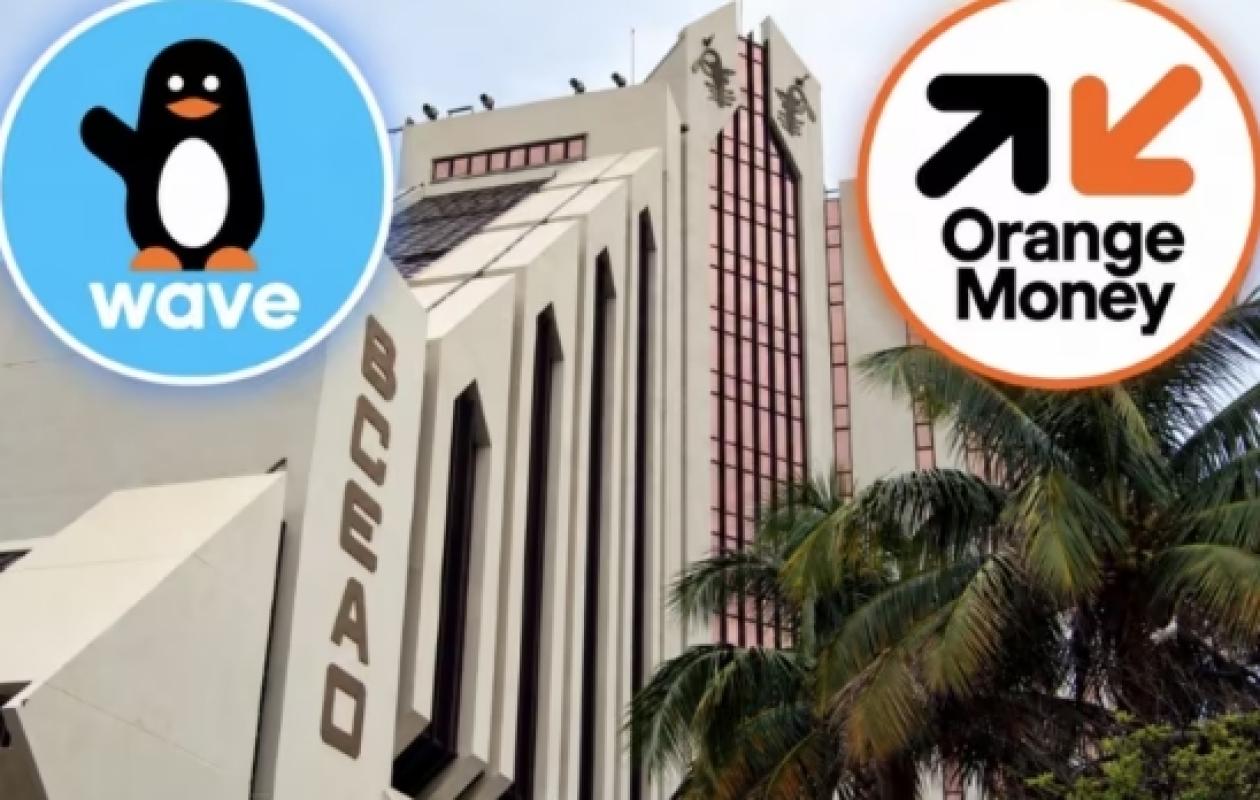
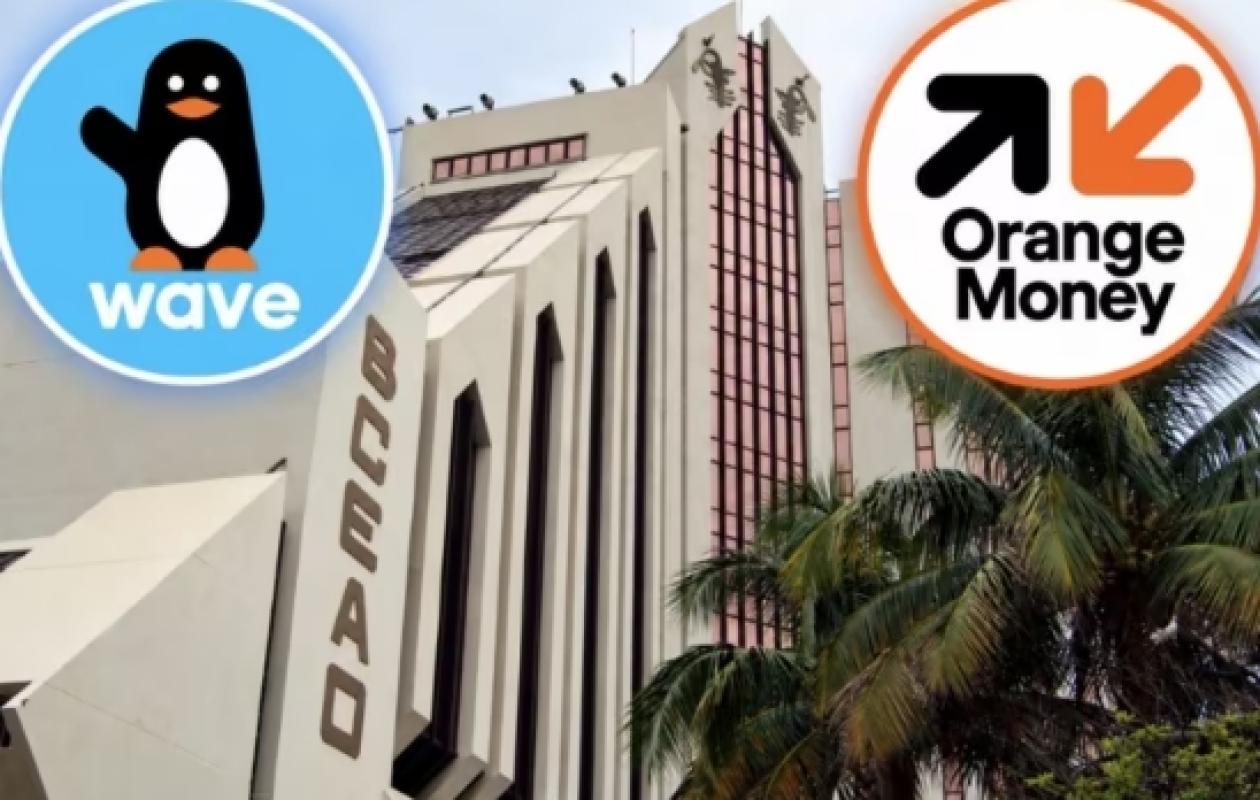
I propose a three-step mechanism. First, a simplified, free registration process, doable from a phone, which grants access to spaces in the fan zones for a nominal fee. Second, reserve small lots in public procurement for groups of artisans, restaurateurs, or tailors. The committee states that over 70% of its contracts have gone to Senegalese businesses, which is encouraging, but artisans still fear being excluded from public procurement. Finally, and this is key, use mobile payment as a gateway: each transaction builds a history, and this history will become a credit file in the future.
In other words, formalization should no longer be seen as a punishment, but as a reward. That is what truly inclusive growth is.
3. What strategy should be used to attract foreign investors?
The Games will shine the world's spotlight on Dakar. But beware: while the spotlight attracts attention, it doesn't necessarily attract capital. An investor doesn't commit because a ceremony was beautiful; they commit because a project is sound and the risk is managed.
Senegal must therefore transform this visibility into concrete opportunities. This implies arriving with a portfolio of projects ready to be financed, in sectors where we have real strengths: sports and business tourism, creative industries, audiovisual, digital, and agro-processing.
We must then offer stability rather than tax breaks. A convention that guarantees the rules of the game for fifteen years is better than a generous but uncertain exemption. And these advantages must be linked to specific commitments: local jobs, national subcontracting, and exports.
Finally, and I want to emphasize this point: the strongest signal Senegal can send is not the success of the Games, but the credibility of its public finances. After the recent revisions to our debt, budgetary transparency is worth far more than any public relations campaign. Investors read the Court of Auditors' reports before they read the medal standings.
4. How can these investments be made profitable in the long term?
Let's be clear: worldwide, very few stadiums are entirely self-financing. The realistic objective is twofold: that the infrastructure at least covers its operating and maintenance costs, and that its value to society, in terms of health, youth, and attractiveness, justifies the initial investment.
And the effort is real: the 2026 budget allocates nearly 90 billion FCFA to infrastructure for the Youth Olympic Games and the Africa Cup of Nations, and part of the renovations was financed by loans from the French Development Agency. These loans will have to be repaid.
To avoid the white elephant syndrome, I see four key levers. First, entrust these facilities to an autonomous management structure, linked to the state by a performance contract and subject to the publication of its accounts. Second, keep the sites active year-round: concerts, trade shows, sports academies, and especially winter training camps for European teams—a real market where our climate is a considerable advantage. Third, develop commercial revenue streams: naming rights, concessions, advertising. And finally, guarantee an annual maintenance budget, because an infrastructure that isn't maintained is a debt that's simply being carried over.
To top it all off, I recommend a public report on the Games' legacy, at one, three, and five years. That's how you turn an expense into an investment.
Ultimately, the Youth Olympic Games will last two weeks. Their true impact, however, will only be assessed in ten years. And on that day, the question won't be how much Senegal spent, but what it managed to build. It's not the athletes' stopwatch that will judge Dakar 2026, but the governance of the post-Games period.
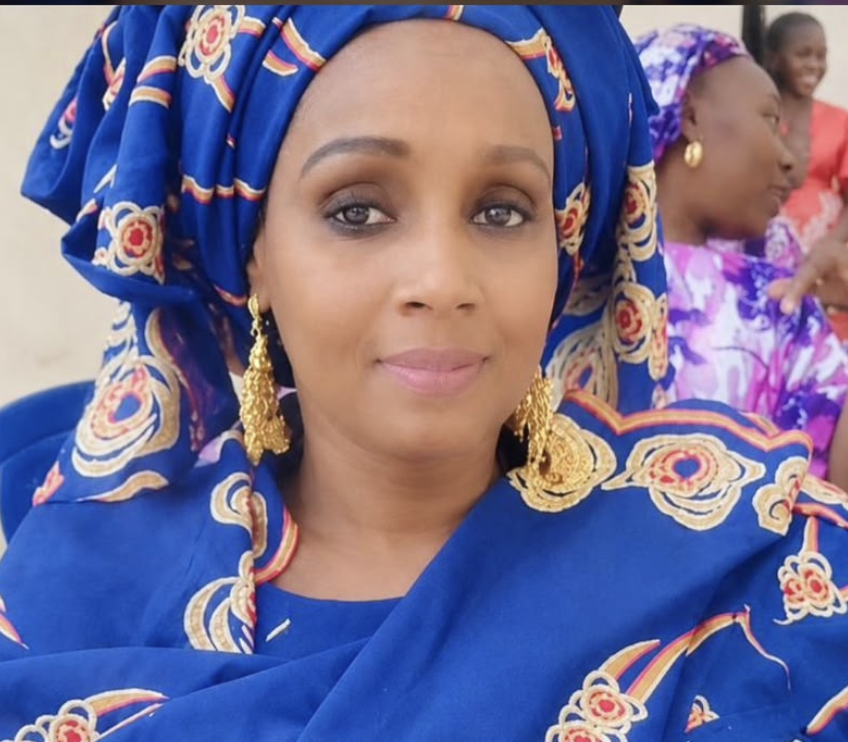
Professor Thierno THIOUNE










Commentaires (3)
Participer à la Discussion
Règles de la communauté
💡 Astuce : Utilisez des emojis depuis votre téléphone ou le module emoji ci-dessous. Cliquez sur GIF pour ajouter un GIF animé. Collez un lien X/Twitter, TikTok ou Instagram pour l'afficher automatiquement.
Se connecter
Commentez avec votre profil, votre photo, et soyez averti des réponses.