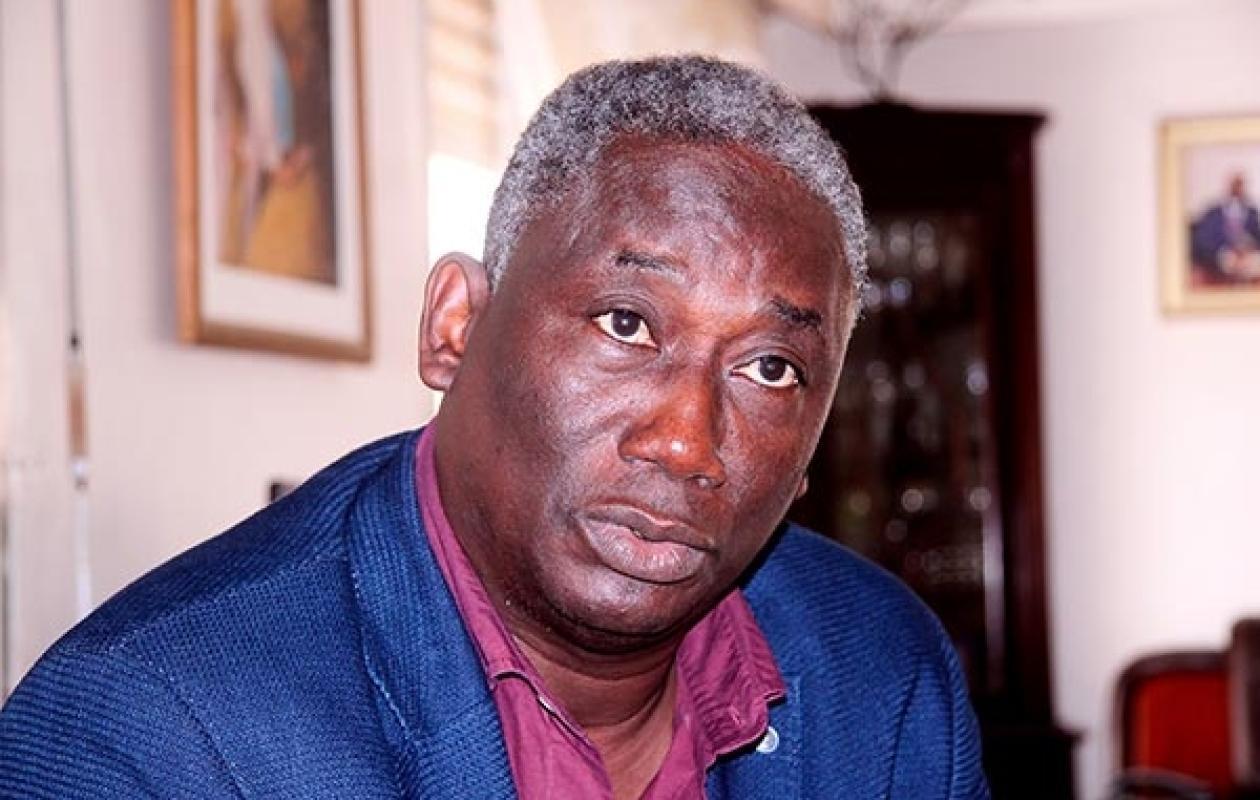
" La troisième alternance , ou l'imperatif de réinventer l'opposition " (Par Abdou Fall, Ancien ministre d'Etat)
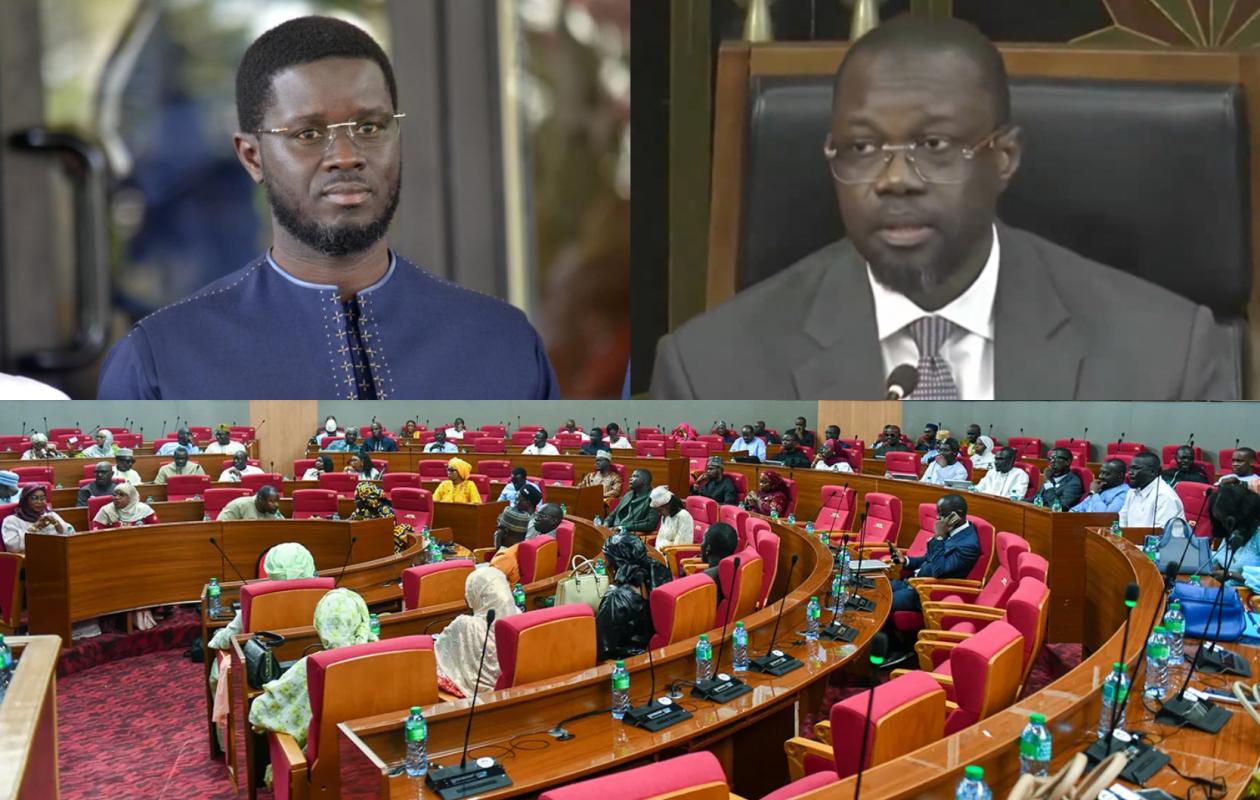
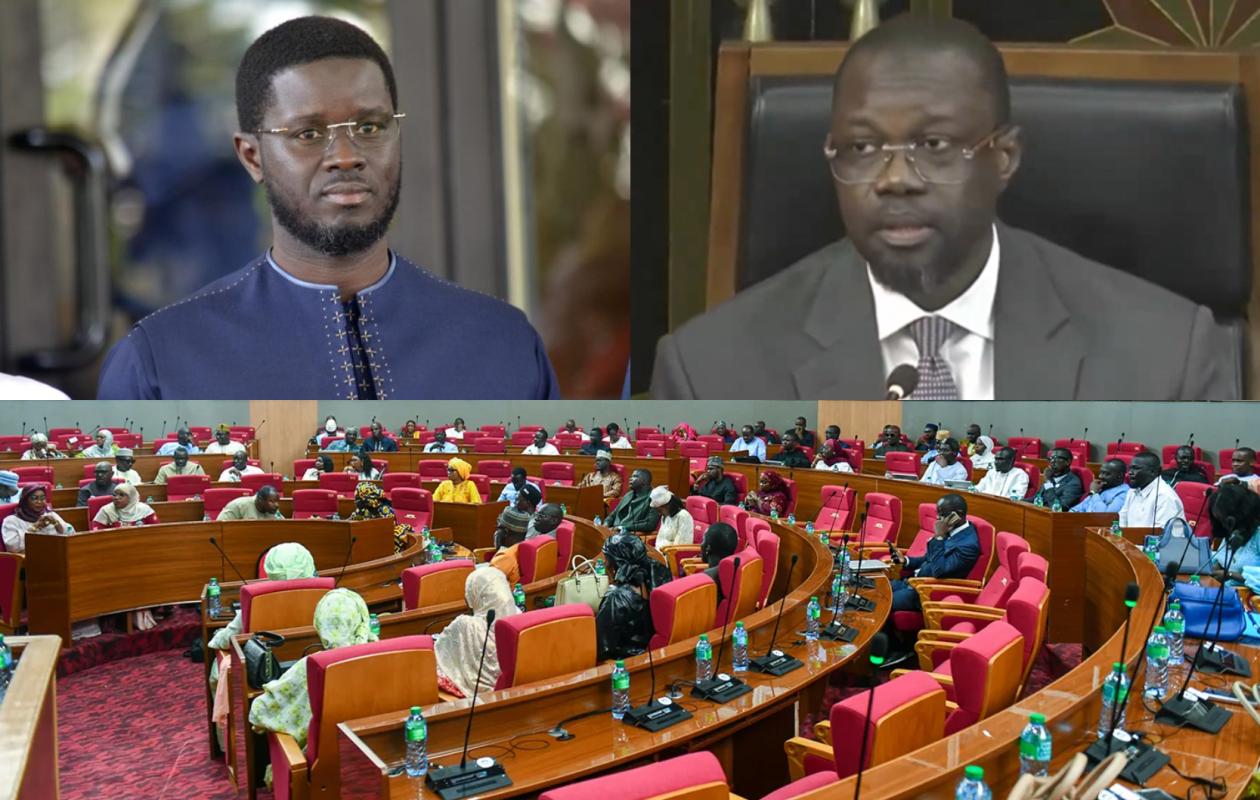
Senegal is experiencing a unique moment in its political history. The now-complete break between President Bassirou Diomaye Faye and his former comrade-in-arms is not merely an internal crisis within the presidential majority. It marks the end of the political cycle initiated by the rise of Pastef and ushers in a new phase for our democracy.
This development goes far beyond the two protagonists. It profoundly alters the balance of the political system and opens a phase of recomposition whose consequences will be felt in the long term.
For almost a decade, as is often the case in our political history, public life has been organized around a bipolarization opposing the regime of Macky Sall to the project of rupture carried by Pastef.
This confrontation shaped debates, alliances, voting behavior, and political imaginaries. This cycle now belongs to the past.
The Senegalese political scene is entering a new phase. The competition is no longer between the former power structure and yesterday's opposition, but between two forces stemming from the same history, bearing a common political heritage, and now engaged in a competition for leadership of the same political and electoral space.
This recomposition essentially marks the alternation of the third alternation.
After the change of power in 2000, which ended four decades of socialist domination, and then that of 2012, which brought the Alliance for the Republic to power, the change of power in 2024 opens a new chapter whose first consequence is to transform, this time, the balance of power within the victorious camp itself.
The two new components of this majority are now engaged in the same challenge: to build their own identity, consolidate their organizations, retain their activists and convince the Senegalese that they embody, each in their own way, the future of the political project that had aroused so much hope.
This undertaking will mobilize the bulk of their resources and energy in the months and years to come.
That is why the real challenge now concerns the opposition.
In all democracies, when a majority bloc weakens, a strategic window opens for opposition forces. However, they must know how to transform this opportunity into a prospect of victory, because a divided majority never automatically produces a winning opposition.
Between the two, there is an essential condition: the ability to renew oneself, to convince, and to propose a credible project.
The current realignment therefore directly challenges the entire Senegalese opposition.
In this reflection, the Alliance for the Republic naturally occupies a special place. By virtue of its national presence, its experience in exercising power, its parliamentary representation, its territorial roots, its activist base and the international influence of its leader, President Macky Sall, it remains the main force around which a credible alternative can be structured.
But history teaches a constant lesson: parties only return to power in a lasting way if they transform themselves.
Foreign experience shows that political formations that successfully make a comeback are those that know how to conduct an uncompromising political evaluation of their journey, renew their leaders, modernize their organization, democratize their operation, open up their institutions, produce new ideas and lucidly draw lessons from their own exercise of power.
This requirement fully applies to the Alliance for the Republic, a major party with a unique history. It has been in opposition, held power for over a decade, organized a primary within its ranks and a presidential succession in an unprecedented context, before returning to the opposition benches while maintaining a strong parliamentary and territorial representation.
Few Senegalese parties have such a rich and comprehensive political experience.
But this experience will only be an asset if it becomes a school of learning rather than a refuge in nostalgia.
The challenge now is one of succession, openness, renewal of internal governance practices, promotion of a new generation of leaders and development of a political offering capable of meeting the expectations of a younger, more educated, more connected and more demanding society in terms of results.
President Macky Sall's personal role will be crucial in this project to renovate and modernize the party he founded and led. And this role will remain crucial regardless of the outcome of his campaign for the position of Secretary-General of the United Nations.
Equally important will be that of his "fellow builders", the cadres of the technostructure as well as the young guard of intellectuals, activists and militants of the party.
In these historical moments of profound and accelerated changes in the world and human societies, the time of closed systems, exclusively personal ambitions and tactical calculations is gradually reaching its limits.
Citizens now expect political organizations and their leaders to embody new methods, a culture of responsibility, and a genuine capacity for innovation.
The upcoming elections will reveal each party's ability to adapt to this new reality. Local elections, potential early legislative consultations, and, above all, the 2029 presidential election will be the main stages of this realignment.
Several scenarios remain possible: the establishment of a new bipartism between the two forces stemming from Pastef; the reconstruction of an opposition united around an alternative collective project; or even a lasting fragmentation of the political landscape imposing increasingly frequent and precarious coalitions.
None of these scenarios are predetermined.
One thing, however, is certain: Senegalese people now expect results rather than promises. They will judge political leaders on their ability to tangibly improve their living conditions, strengthen institutions, restore public trust, and guarantee effective, responsible, transparent, and exemplary governance.
Within the ranks of the Alliance for the Republic, as in the opposition as a whole, the time for scattered initiatives and solitary escapes is over.
The time has come to build broad coalitions around a platform for political renewal based on ideas, skills, renewed governance and a national project capable of responding to the deep aspirations of the country.
The third change of government now forces the opposition to reinvent itself. Those who understand this shift first will have a decisive advantage in preparing for the next change of government.
Ultimately, the real question is no longer who will benefit from the current political realignment. It is who will be able to transform this realignment into a credible hope for the Senegalese people.
It is on this terrain—that of ideas, credibility, unity, and the capacity to sustainably revive the economy, consolidate the rule of law, and strengthen democracy—that the reconquest of power will be played out. More than a change of circumstances, Senegal now needs a responsible alternative.

















Commentaires (6)
monsieur Abdou Fall. Les sénégalais vous ont offert votre chance en 2000et vous vous êtes moqué d’eux
Participer à la Discussion
Règles de la communauté
💡 Astuce : Utilisez des emojis depuis votre téléphone ou le module emoji ci-dessous. Cliquez sur GIF pour ajouter un GIF animé. Collez un lien X/Twitter, TikTok ou Instagram pour l'afficher automatiquement.
Se connecter
Commentez avec votre profil, votre photo, et soyez averti des réponses.