
Le mépris du peuple est aussi est un symptôme de l’aliénation systémique (Par Ndiaga Loum)
Learning from political failures is a difficult exercise, sometimes even unbearable for those who considered themselves too important to be the people's first choice. To circumvent the discomfort of the self-reflection required in the wake of electoral disappointments (persistent markers of de facto unpopularity), one of the cathartic effects for maintaining psychological balance is to shift the blame onto others.
It is therefore the alienated, unconscious, mythologized, deceived, and abused people who are the unwitting victims of the victors. In these circumstances, it is understandable that the gap between what you think you are and what you truly are when tested at the ballot box is terrible and devastating to your conscience. In these moments, lacking the means to seek help to alleviate the suffering caused by bitterness and disappointment, the only saving grace is to force oneself to regain a modicum of lucidity, humility, and realism.
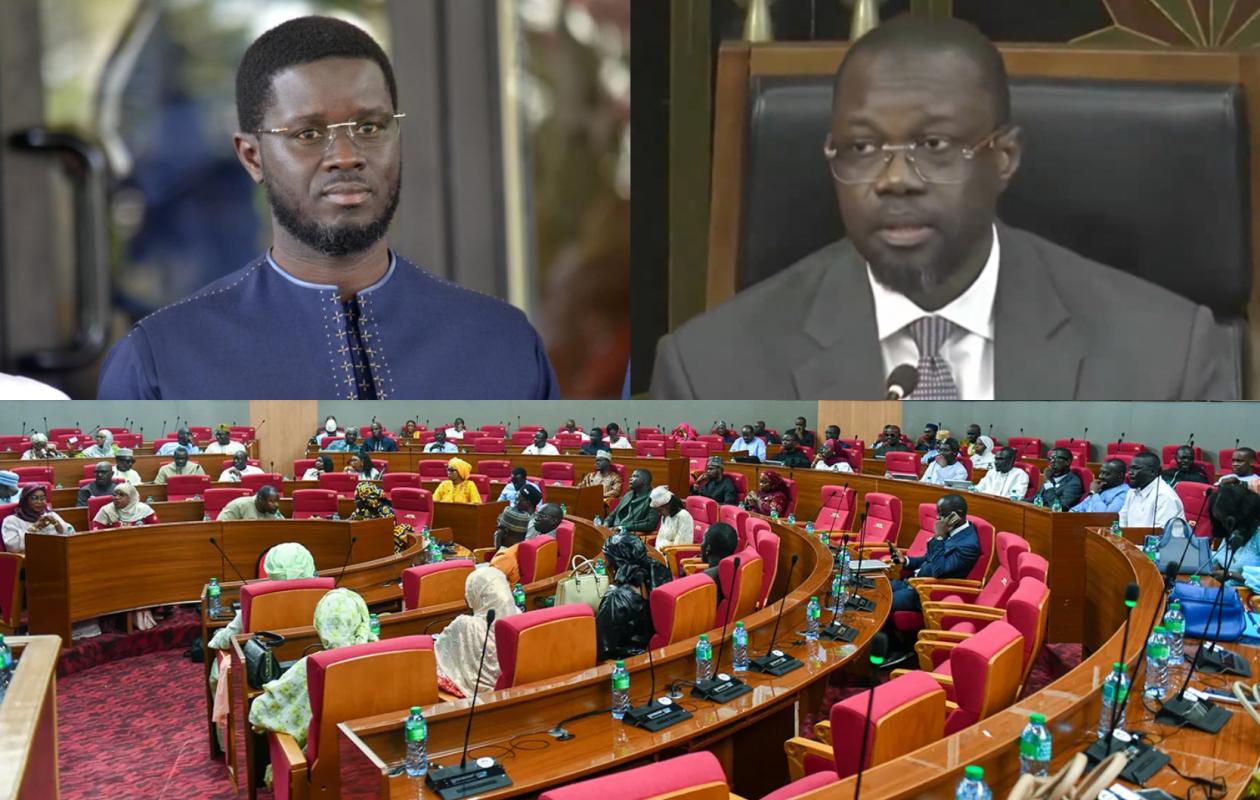
By being too quick to judge, one risks misdiagnosing the situation. The problem with most of our current politicians is their laziness in investing in deep critical reflection to understand social changes and the immediate repercussions of the speed of these transformations on the masses, and therefore on voters. The Senegalese people do not follow Ousmane Sonko unconsciously or blindly. Most of those who follow him are extremely thoughtful people, formerly resigned and disconnected from the political sphere, who have found in social media platforms to express, mitigate, and alleviate their legitimate anger, having found in the radical political discourse of the Pastef leader, widely disseminated on these same networks, a new source of hope and reasons for engagement.
Outside the realm of the divine, where reflection is not essential, Ousmane Soncko's popular and electoral success can be explained. The core of it lies in his personal merit, his ability to consistently produce a discourse connected to social concerns and the demands of a proud, clear-sighted, and informed citizenry, seeking greater sovereignty. His success also stems from his pragmatic acceptance of the pitfalls inherent in simple, direct, natural, authentic, and spontaneous language—a pitfall that the traditional rhetoric of doublespeak, which substitutes a false appearance of tact for truth, authenticity, or originality, would skillfully deflect.
Note that Sonko's tactical spontaneity, which contrasts with the self-serving and suspicious calculations of the traditional politician, hardly suggests that he lacks cunning and strategic intelligence in the medium term. To be convinced of this, one need only observe how he is gradually transferring personal political capital to his party, with this initiative of mass membership card sales that is transforming shadowy sympathizers into active Pastef militants. It is pointless for Sonko's implacable opponents to deny this out of jealousy or malice, and to make the electorate a scapegoat.
The truth lies elsewhere. The cold, hard truth of today is that those formerly subjected to propaganda have become propagandists, and those influenced are now themselves influencers. Failing to understand this and persisting in despising the people are merely symptomatic manifestations of a systemic, symbolic alienation from which one suffers without acknowledging it.
It's a form of self-inflicted psychological torture, a display of superiority complex and contempt for the sovereign people, certainly less costly in terms of time and energy spent reflecting and finally understanding that one's problem is never the other. Clearly, there are some fighters who don't need adversaries to lose. How can one hope to gain the trust of a people by assuming their lack of intelligence, their unconsciousness, and by publicly prejudging their blindness?
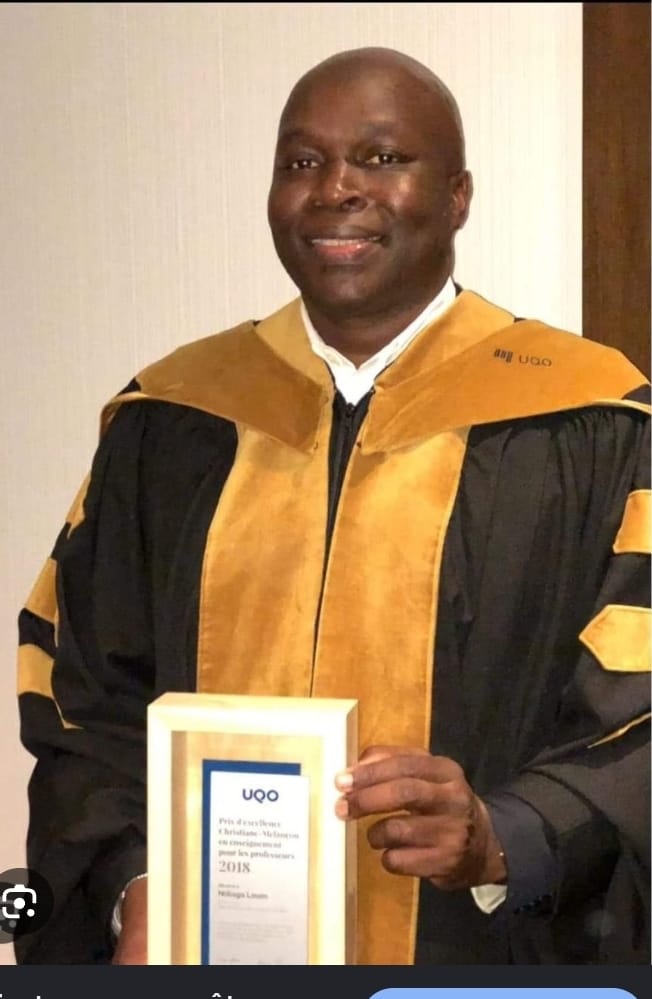
Ndiaga Loum, Full Professor, UQO



















Commentaires (14)
Encore qu’il y ait des lanternes pour davantage éclairer le chemin que le peuple a emprunté et que -comme vous dites- les politiciens obsolètes ne peuvent percevoir encore moins comprendre
L’humilité est une vertu inexistante pour ces politiciens
KB
Avant d'emigrer au Canada laissant le Cesti dans le désarroi. Je ne le reconnais plus. Je ne ozux croire que ce cerveau XXL soit assujetti à ce point à un homme. Vraiment dommage Ndiaga.
Heureusement que l'on a appris à nous déconnecter des gens qui deifient une personne.
Malgré votre parcours académique et syndicale vous vous voyez en Talibé dun homme ?
Un accident monumental historique que tu te sois retrouvé au CESTI !!! certainement les vibrations négatives de tes neurones ont contribué à l'éloignement du Pr Ndiaga !!! En plus tpute sa brillante démonstration était pour fustiger ton genre de texte et de conception des sénégalais. PUFFFF!
Participer à la Discussion
Règles de la communauté
💡 Astuce : Utilisez des emojis depuis votre téléphone ou le module emoji ci-dessous. Cliquez sur GIF pour ajouter un GIF animé. Collez un lien X/Twitter, TikTok ou Instagram pour l'afficher automatiquement.
Se connecter
Commentez avec votre profil, votre photo, et soyez averti des réponses.