Le piège mortel des faux marabouts : Quand la quête de miracles se termine en drame (par Khady Ndoye)
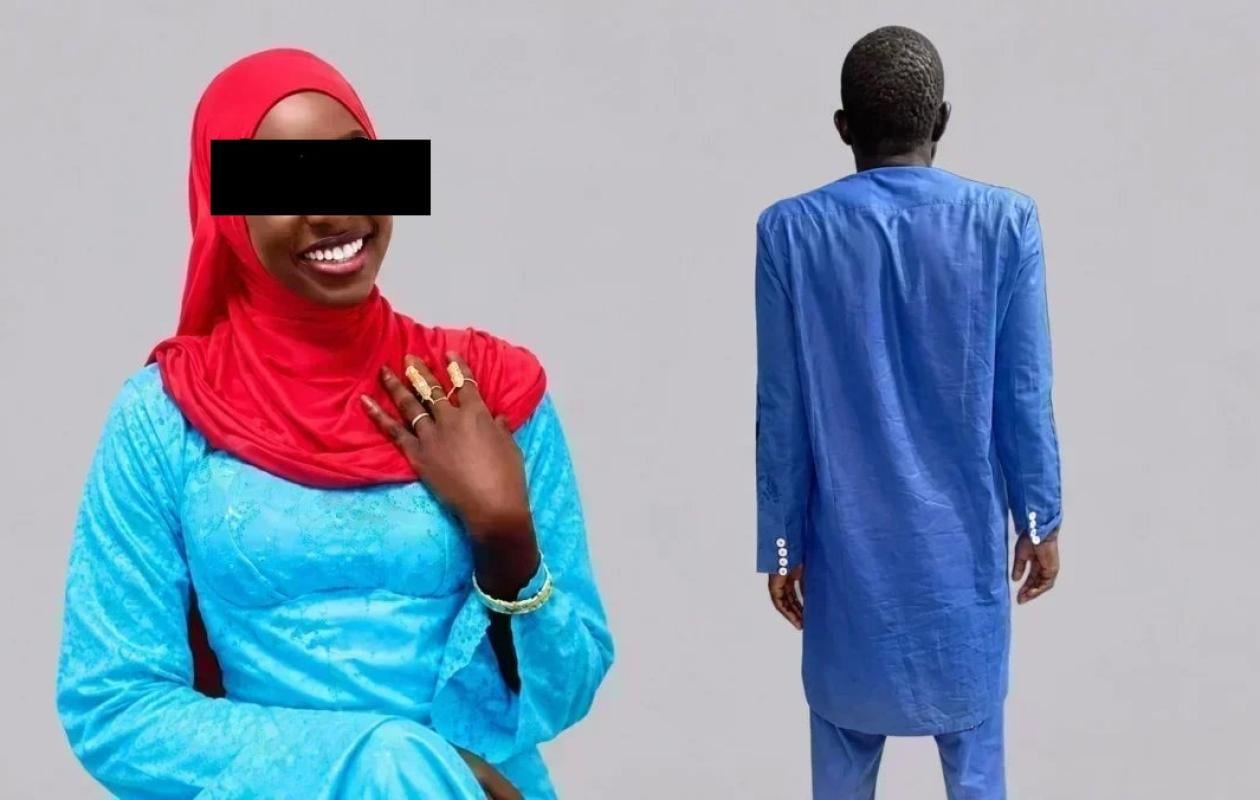
In Senegal, the use of charlatans, widespread in all strata of society, particularly exposes women to sexual violence, scams and, in the most extreme cases, death.
In neighborhoods, villages, and even large cities, charlatans continue to attract a diverse clientele. Young and old, men and women, graduates looking for a job, people seeking marriage, athletes eager to win competitions, or even political figures seeking popularity, all can walk through the door of a marabout to request prayers, mystical baths, gris-gris, or other practices supposedly meant to solve their problems.
But behind certain promises of healing, success, or protection lie extremely dangerous practices. Women are regularly presented as the primary victims of these abuses. Several court cases reported over the years illustrate the methods used by some individuals to exploit the vulnerability of their clients. From victims robbed in the name of mysticism, to prayers transformed into sexual assaults, to lives lost in the pursuit of happiness, the list of victims of charlatanism is far from exhaustive.
At the Mbour High Court, a case of alleged sexual abuse pitted a woman against a charlatan. Having sought his services for prayers to facilitate her marriage, the complainant denounced practices she considered particularly inappropriate. In court, the young woman stated that the charlatan had taken advantage of the prayer session to insert his fingers into her private parts. These events led the alleged victim to file a complaint against the practitioner.
In Guédiawaye, a married woman who had come seeking prayers for her husband living abroad accused a charlatan of drugging her before sexually assaulting her. The victim discovered several months later that she was seven months pregnant. The accused, who denied the allegations, was eventually brought before the prosecutor after his arrest. Several other women also came forward, but did not file complaints, fearing the threats they had allegedly received.
In Rufisque, another case involved Daly Bâ, accused by a married woman of abusing her when she came seeking prayers to strengthen her marriage. According to the complainant's account, the charlatan allegedly drugged her before sexually assaulting her. Another woman also came forward to investigators to report sexual propositions she had received from the same man.
In Saly, the Adama Kandji case also made headlines. The fake marabout convinced his patients that they were possessed by invisible spirits and that touching or sexual intercourse was the cure for their ailments. His method involved gathering information about his victims from neighbors or shopkeepers before going to their homes.
The phenomenon is not limited to sexual violence. Clients have also been defrauded of millions of CFA francs in the name of alleged rituals.
Mohamed F., also known as Oustaz Fall, was convicted of quackery and fraud after swindling several million francs from a woman who wanted to use mystical means against her co-wife. The victim claimed she lost consciousness after using the products given to her by the defendant. The court ultimately sentenced him to one month in prison and ordered him to pay four million francs CFA in damages to the plaintiff.
More recently, Mame Bara Niane, known as "Deff Guiss," was arrested following a complaint of fraud and quackery. His client, who lived in the United States, allegedly paid him a total of more than 14 million CFA francs for treatments, mystical baths, and rituals supposedly designed to restore his health and bring him wealth.
The most tragic outcome, however, is when these occult practices lead to death.
Senegal remembers, in particular, Lobé Ndiaye, found dead in July 2021 near the toll highway, not far from the CICAD in Diamniadio. The auto parts vendor had gone to a Malian traditional healer in Thiaroye Azur for a prayer session. According to reports, she was killed with a pestle. The theory of a sacrifice was initially considered the most likely.
In Joal, another case had particularly shocked the community. In August 2017, the body of Ndèye Lissa Diop was discovered in an advanced state of decomposition, hidden in a bush. The victim had gone to the traditional healer Moussa Condé for a mystical bath. He admitted to striking her with a stick after a dispute over payment. The tragedy resulted in the victim's death. The forensic report noted, among other things, a head injury and hemorrhaging resulting from head wounds.
Also in the Petite-Côte region, the murder of young shopkeeper Ramata Camara made headlines. The young woman, a clothing vendor, was found dead in the forest near the village of Nguérigne, in the Mbour department. Her body was discovered wrapped in a plastic bag. According to information gathered during the investigation, suspicion fell particularly on the marabout (a traditional healer/spiritual guide) to whom the deceased had gone for a mystical bath on the night she died. The investigation thus placed him at the center of the case, sparking outrage in the community.
The murder of young student Ndèye Bigué Sène, stabbed to death after seeking the services of a charlatan for prayers related to her exams, adds to a long series of sordid cases involving occult practices.
These various cases illustrate the dangers faced by people who, in moments of vulnerability, turn to practitioners claiming to possess mystical powers. Between scams, sexual abuse, manipulation, and physical violence, some promises of miracles can turn into real tragedies.





















Commentaires (5)
Participer à la Discussion
Règles de la communauté
💡 Astuce : Utilisez des emojis depuis votre téléphone ou le module emoji ci-dessous. Cliquez sur GIF pour ajouter un GIF animé. Collez un lien X/Twitter, TikTok ou Instagram pour l'afficher automatiquement.
Se connecter
Commentez avec votre profil, votre photo, et soyez averti des réponses.