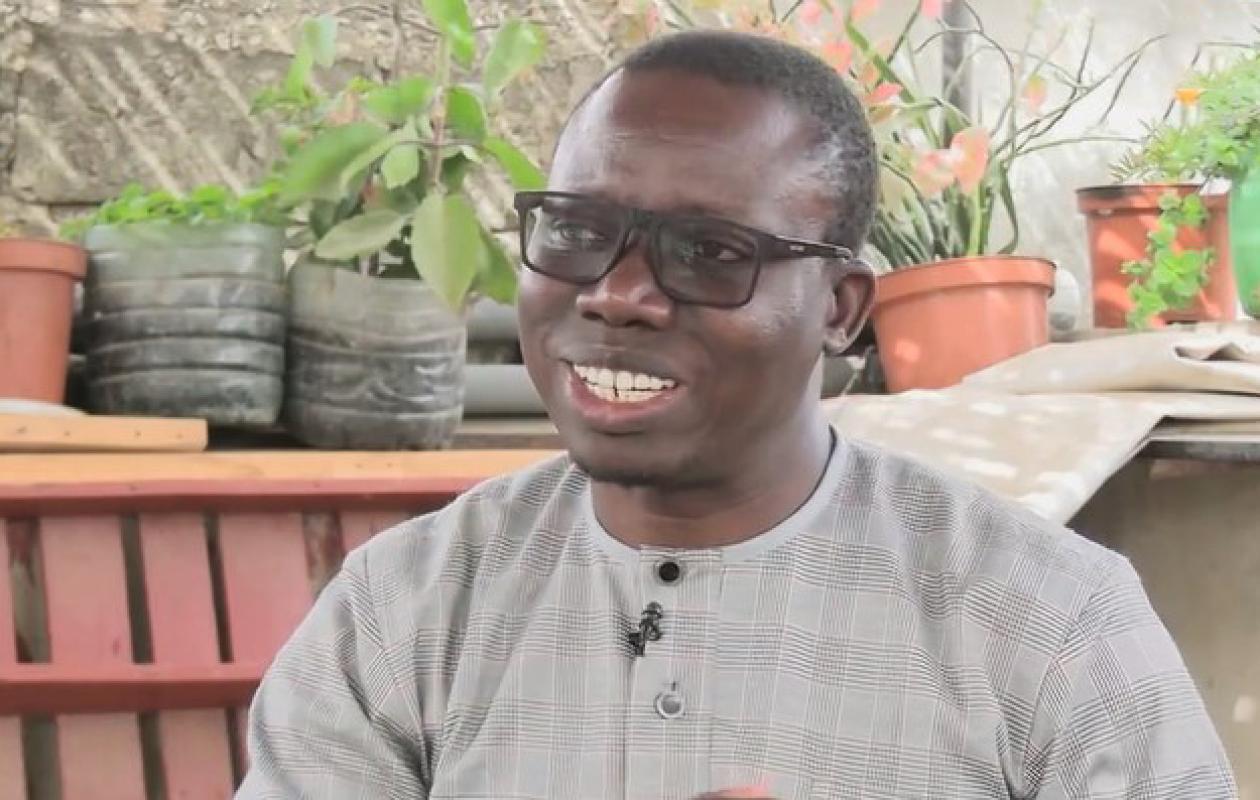
Le secteur minier sera jugé sur ce qu'il laissera derrière lui (Par Abdou Touré, fondateur de Quartier Vert Challenge)
Mines are, by definition, temporary. The territories they inhabit, however, outlive them. As the mining sector establishes itself as one of the driving forces of the Senegalese economy, a question is therefore taking on increasing importance: what legacy will the operators leave to the land, the ecosystems and the communities that will continue to live there long after the sites are closed?
Senegal today looks to its subsoil with great hope. And rightly so, since by 2025, the mining sector was projected to account for 31% of exports and approximately 4% of GDP. These figures speak volumes about the importance this industry now holds in our economy. They also reflect the expectations it raises, in terms of growth, jobs, investment, and public revenue. But they only tell part of the story.
Because the life of a region doesn't end when a mine closes. The deposits are exhausted, the equipment is dismantled, the operators gradually leave the area… On the contrary, the land remains—and so do the people. Therefore, the question is less about the wealth extracted than about the legacy left behind. In what condition will the soil be restored? Will the ecosystems have regained their balance? Will agricultural activities be able to resume? Will the communities still have the resources necessary to continue living off their land? It is by this standard, I believe, that the true contribution of the mining industry will be judged.
This transformation is already reflected in the practices of international investors, who are paying increasing attention to environmental risk management, considering it an indicator of the quality of a company's governance and its ability to create value over time.
As an example, it is worth noting that the International Finance Corporation (IFC) Performance Standards [1] require companies to manage their environmental impacts throughout the life cycle of projects, while the principles of the International Council on Mining and Metals (ICMM) [2] invite mining companies to integrate mine closure and site rehabilitation from the design stage.
But if rehabilitation is indeed a determining factor in the credibility of companies, their access to financing and, in the long term, their competitiveness, it is clear that it is also tending to become a principle of organization of mining itself… with applications already visible in Senegal.
[1] https://www.ifc.org/en/insights-reports/2012/ifc-performance-standards?utm_source=chatgpt.com
[2] https://www.icmm.com/integrated-mine-closure
In Sabodala-Massawa, Endeavour Mining is implementing a phased rehabilitation of mined areas, integrated into the mine's operating cycle. This approach relies on closure and rehabilitation plans developed during the permitting phase, then revised and enhanced throughout the mine's life, and approved by national authorities. Since 2021, the group has also applied a common closure standard to all its sites, which sets minimum requirements and rehabilitation timelines, including for recently acquired sites. The work includes land reshaping, soil restoration, reforestation with suitable species, and monitoring of vegetation regrowth. This approach allows for the gradual reduction of the site's environmental footprint while preparing the land for future uses [ 1] . However, a challenge remains. Voluntary reporting frameworks already exist, but their application remains inconsistent across operators. Some highlight the hectares rehabilitated, others the number of trees planted, the areas protected, or the investments dedicated to biodiversity. All this information is useful, but its diversity makes comparisons difficult. A sector progresses when it agrees to be evaluated according to common criteria. Because without a shared framework, each operator will naturally continue to prioritize the indicators that best showcase its own results, to the detriment of a comprehensive understanding of the progress achieved.
This is why Senegal would benefit from promoting a common framework for monitoring the rehabilitation of mining sites. Such an approach would strengthen transparency in the sector, facilitate the comparison of practices, and help disseminate the most demanding standards—even if, of course, no institutional mechanism will ever replace the lived experience of local communities.
Indeed, it is they who observe the transformations of a landscape, the evolution of a watercourse, the quality of the soils or the gradual return of vegetation; they who lived on these territories before the opening of a mine; they who accompany its operation; and they who will continue to live there long after its closure.
Their experience therefore constitutes a long-term indicator that no dashboard can replace. This is why involving them even more in monitoring rehabilitation actions would strengthen both the credibility of the published results and the trust between operators, public authorities, and communities.
Because while in a few decades it is unlikely that we will remember the exact tonnage extracted from a deposit or the precise amount of investments made… Everyone will, however, be able to see the state of the land, the vitality of the ecosystems and the prospects offered to the communities that will continue to live there.
[1] https://www.endeavourmining.com/esg/environment/
https://www.endeavourmining.com/our-portfolio/sabodala-massawa-mine/
It is this lasting footprint that will distinguish companies that have exploited a resource from those that have truly contributed to the development of the territories that have hosted them.




















Commentaires (2)
Participer à la Discussion
Règles de la communauté
💡 Astuce : Utilisez des emojis depuis votre téléphone ou le module emoji ci-dessous. Cliquez sur GIF pour ajouter un GIF animé. Collez un lien X/Twitter, TikTok ou Instagram pour l'afficher automatiquement.
Se connecter
Commentez avec votre profil, votre photo, et soyez averti des réponses.