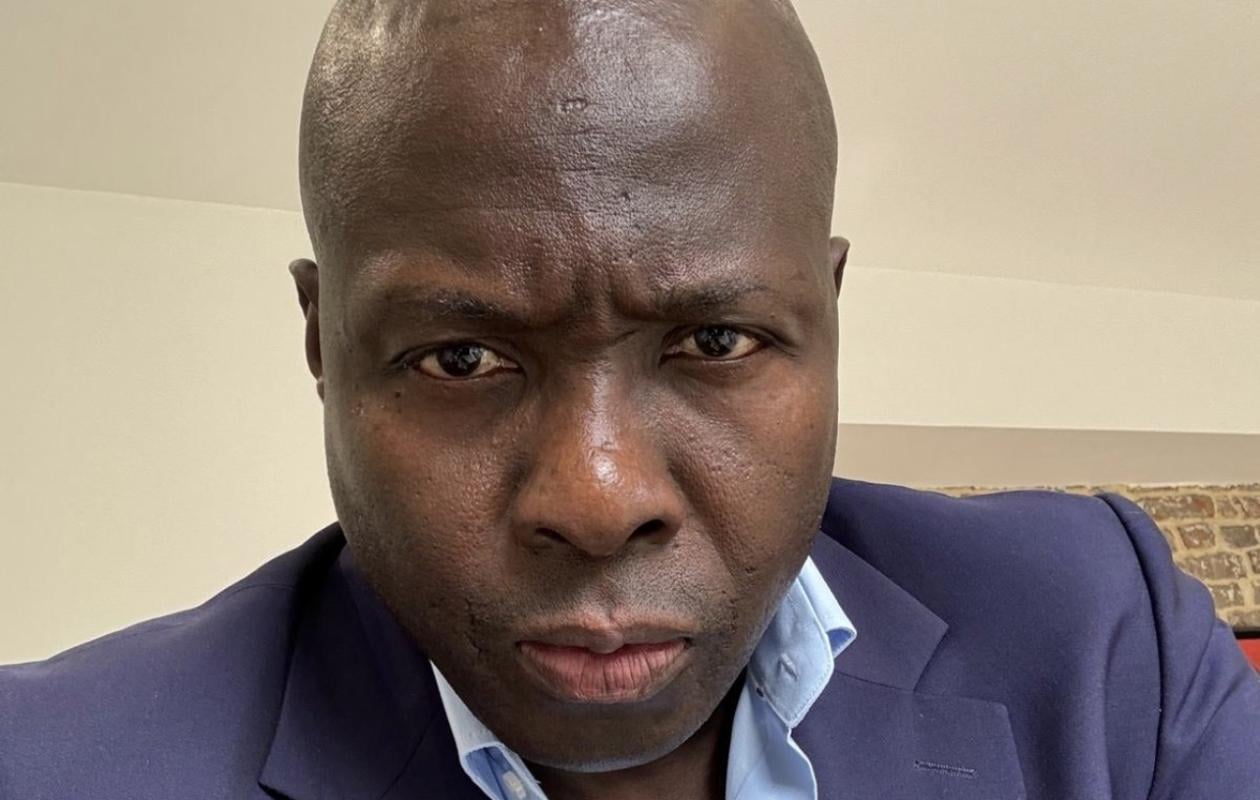
Le Sénégal qui se lève tôt ne peut plus attendre une élite sans vision [Par Papis Traoré]
Paying foreign creditors without delay, making Senegalese suppliers wait until they go bankrupt: this is the unspoken hierarchy of our payments. Six decisions to put an end to it without waiting for the IMF.
Papis Traoré's Opinion Piece
There's a Senegal that's often talked about but rarely listened to. The Senegalese who get up early. They catch a bus, a coach, or take their car to go to work. They open a shop. They drive a taxi. They run a small business, manage a workshop, sell at the market. They employ three people, or ten, sometimes hundreds.
This Senegal isn't asking for charity. It's asking for its work to pay off. For its businesses to survive. And for the state to respect what it has signed.
Today, he is suffocating.
Households are counting every penny. Businesses are grappling with sluggish demand, heavy expenses, and strained cash flow. And there's no visibility. So they're postponing recruitment. They're delaying investments. They're holding back orders. I see cases like that all the time.
The real barometer of purchasing power is a very simple question: what is left at the end of the month?
Once rent, transport, electricity, food and school are paid, what is left for someone who works?
Take transportation, for example. Seneweb reported on this Thursday: for these suburban workers, getting to work already costs a significant portion of their salary. In Keur Massar, Pikine, and Rufisque, people get up before dawn, juggle multiple connections, and endure traffic jams. And they pay. 500 francs here, 500 francs there: by the end of the month, a portion of their salary is gone before it even arrives. Mobility isn't just about roads: it's about purchasing power, and it determines who can work where.
Here too, there's no need to open the floodgates. The project is underway: under the auspices of CETUD, the operators Dem Dikk, BRT, TER, and AFTU have agreed on an interoperable ticketing system and a single travel pass. Let's speed it up, so that the same journey no longer costs two or three times over, and let's make it a lever for purchasing power: a reduced fare during peak hours for commuters, financed by higher ridership during off-peak hours rather than by an additional budget. It doesn't cost an arm and a leg. Mostly, it requires will and coordination.
Let's move beyond an idea that's been lingering in our debate for far too long. Purchasing power isn't just about prices. Behind every salary, there's a company. When it slows down, when it stops hiring, when it postpones its investments, it's families who ultimately pay the price.
No sustainable purchasing power without strong businesses.
A privileged elite will not fix anything.
A country's decline doesn't begin when its finances deteriorate. It begins when its elites cease to feel responsible for its destiny. They simply watch.
For too long, a segment of our elite has defended its positions more than it has transformed the country. They wait for an appointment, a deal, a connection to power. They fight to get into the inner circle, never to expand it.
An elite that demands sacrifices from the people while protecting its privileges loses all moral authority.
And meanwhile, the real question remains unanswered. What kind of Senegal do we want in ten or twenty years? What kind of economy? What kind of industry? What jobs for our young people? An elite that no longer has answers to these questions is managing the present. It is not preparing for anything.
We need a new approach. Less complacency and commentary, more vision, competence, and results. The right question isn't "What position will I occupy?" It's "What will I build?"
An elite that no longer builds anything does not accompany the decline. It accelerates it.
The diaspora is not asking for promises, it is asking for respect.
We often forget an entire segment of Senegal's population: those who work abroad. These are the women and men who work far from their families. Every month, they send a portion of their wages back home. These remittances aren't a luxury. They pay for schooling, prescriptions, rent, and food. For millions of families, they're what keeps them going.
This diaspora deserves better than speeches. They've been promised much, but given very little. Courtship during campaigns has been snatched up, but they've been forgotten the rest of the time. They don't ask for flattery. They ask for respect for their efforts. Simple procedures. A tax system that's easy to understand. Real projects where their money builds something tangible. Not empty promises.
A diaspora that nourishes the country is not a cash register of foreign currency. It is an actor in its development.
Six decisions to get the economy moving again
You can't cure cancer with paracetamol. You need a shock. A shock to purchasing power and competitiveness.
First, the state must pay what it owes.
There's a hierarchy in our payment system that no one acknowledges. The bondholder abroad is paid immediately. The Senegalese supplier, on the other hand, waits. The former has a rating agency to defend its interests, a creditors' club to renegotiate. The latter has no one. It waits. It goes into debt to keep waiting. And it eventually goes out of business.
This is where our elite should be. The national supplier has no rating agency, no creditors' club, no influential connections. Someone should at least be speaking up for them. We hear nothing.
I see companies that hold a definite claim against the government, yet at the same time, have their accounts frozen by third-party attachment orders for unpaid taxes, even though what they owe the government is sometimes less than what the government owes them. A supplier is being squeezed for an amount smaller than the debt they're not being paid. How can they possibly survive?
Currently, the law does not require it. The Treasury can demand payment of its tax debt without being obligated to settle its own first: it relies on its privilege and the separation of public funds. This is legal. However, it is no less unjust. Therefore, the rule must be changed, not circumvented.
Let's establish a simple principle: when the State holds a definite claim against a company, and that company itself holds a definite, liquid, and due claim against the State, we offset the debts before seizing them. We first settle what is owed by each party. And we only freeze, if necessary, the remaining balance that is actually owed. This requires reform, a clear provision in the General Tax Code. But it would prevent situations where the tax authorities squeeze a supplier for an amount they already owe them, in greater quantities, elsewhere.
Let's settle undisputed public debts. Starting with very small businesses, small and medium-sized enterprises, and subcontractors. A delay in payment from the government means an unpaid supplier, a postponed investment, a cancelled recruitment, and a threatened salary.
The debt owed by the state to a company always ends up falling back on a household's finances.
Secondly, let's transform public debt into cash.
When the government cannot immediately settle a certified debt, the company should be able to leverage it with its bank. Having a definite claim against the government and lacking cash is simply absurd.
Thirdly, let's give viable businesses some breathing room.
Tax and social security payment plans of six to twelve months. For companies truly in difficulty, and provided they retain their employees. A way to prevent a rough patch from turning into bankruptcy. Deferring revenue is not the same as giving it up. It can sometimes protect the taxpayer who will ultimately pay it.
Fourth, working should pay more.
For a limited time, the government could reduce taxes on the lowest income brackets and certain business expenses for companies that maintain their workforce. The idea is simple: to put more income back into the pockets of those who work, without creating a permanent public expenditure.
Fifth, investing must once again become an advantage.
New investments in production, digital technology, training, and job creation could be eligible, for a time, for targeted tax incentives. You invest in Senegal. You create value and jobs. The government is on your side.
Sixth, let's make VAT a tool for purchasing power.
Make taxation a tool, not a dogma
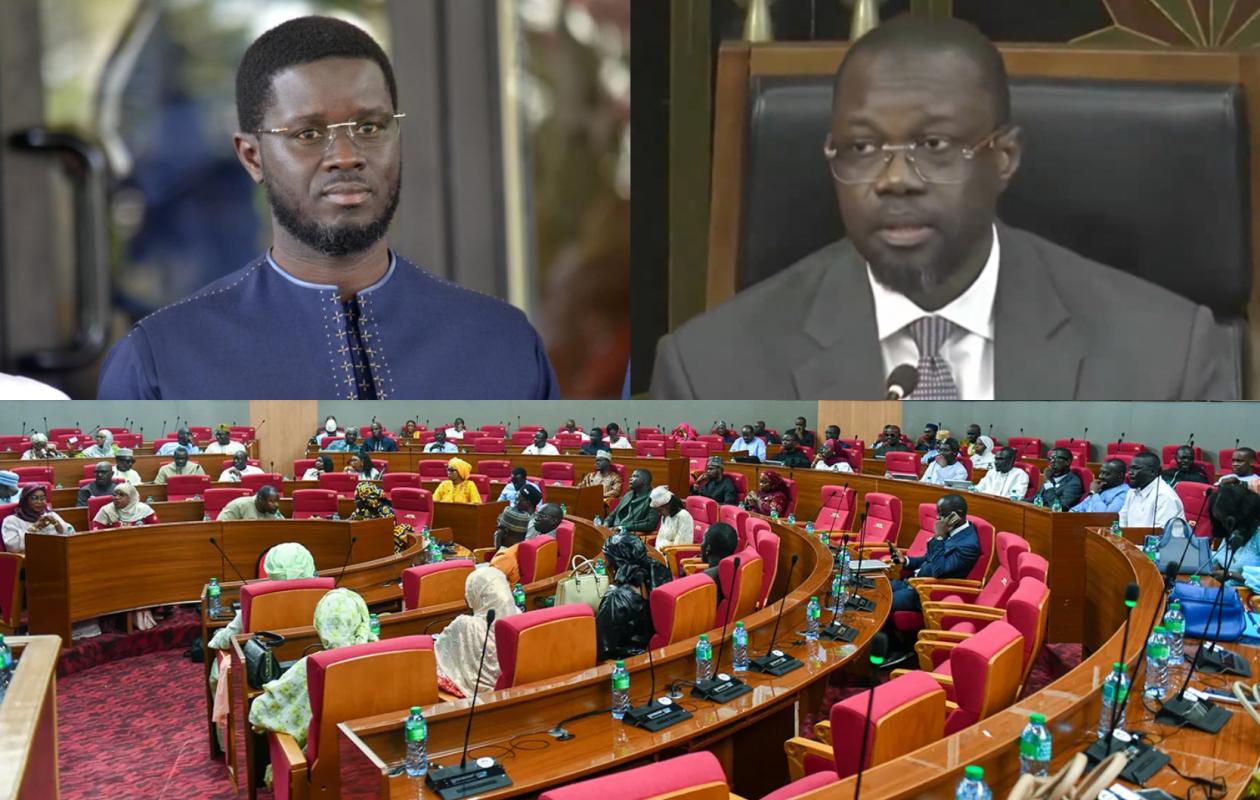
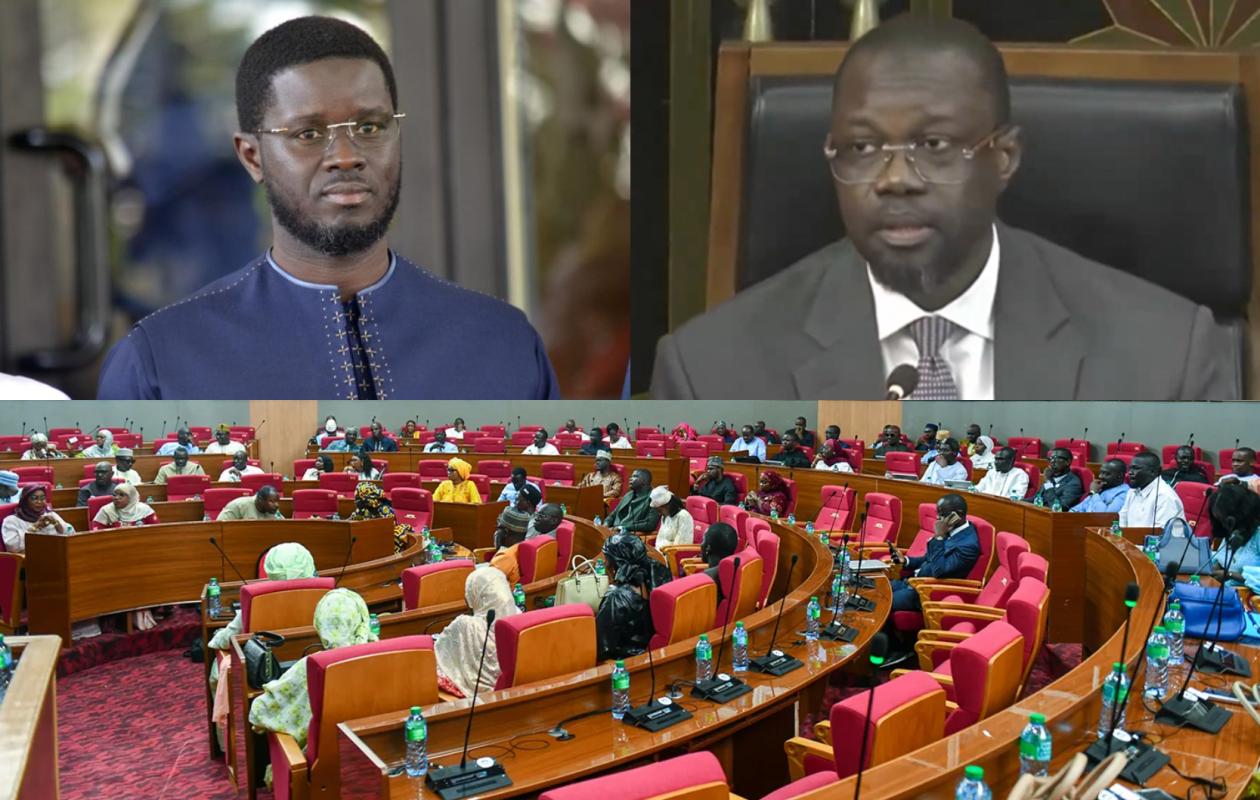
The National Assembly is opening a debate on the tax exemptions, rebates, and waivers granted since 2014. A distinction must be made. An exemption is not necessarily a tax break. Everything depends on its justification, its transparency, and its effectiveness. An exemption without measurable benefits should indeed be questioned. But tax relief that lowers the price of essential goods, preserves jobs, eases cash flow, or triggers new investments—that is a real tool.
Senegal must not only know which strategies it abandoned yesterday. It must decide which strategies it can intelligently postpone or reduce today, in order to create more wealth tomorrow.
It is in this spirit that a targeted and temporary reduction in VAT should be considered. With one safeguard: that it be reflected in the prices paid by households.
Why not try, for six to twelve months, a significantly reduced VAT rate on a very limited basket of essential goods and services currently taxed at the normal rate?
An easy rule to remember: the state lowers the VAT, the company lowers the price.
The tax reduction must be reflected on the receipt. Otherwise, it was pointless.
It wouldn't be a blank check. Time-limited. Capped. Focused on a few essential expenses. We know the cost in advance, we measure the impact. If the price reduction isn't reflected in the savings, we stop.
The goal isn't to lower VAT everywhere. That would be too expensive and ineffective. The goal is to focus efforts where they truly make a difference to purchasing power.
And while we're on the subject of VAT, let's go all the way. Let's also reimburse undisputed VAT credits to businesses, and faster.
The same reform benefits both sides. Less pressure on certain prices for households. More cash flow for businesses.
Don't wait for the IMF
To date, Senegal has not reached a new agreement with the IMF. This uncertainty does not excuse inaction.
Budgetary constraints preclude any further expansion. Above all, they force us to choose: cash flow, employment, investment, purchasing power.
Paying an undisputed debt is not a subsidy. Giving a viable business a few months' breathing room is not waiving taxes. Trying a targeted tax cut is not abandoning budgetary discipline when the cost is known, capped, and assessed.
Restoring public finances and reviving the productive economy are not contradictory. A company that disappears will no longer pay taxes. A laid-off worker will consume less. A cancelled investment will create neither jobs nor revenue in the future.
It's not about spending more. It's about using the margins we have differently. And about getting money circulating faster in the real economy.
An agreement with the IMF would boost confidence and provide direction. But Senegal must not put its policies on hold while waiting for it. The IMF can support our recovery. It won't do it for us.
Senegal, the early riser
Senegal must get its public finances in order. No one in their right mind disputes that. But budgetary discipline alone does not constitute an economic policy.
We must pay what is owed. Unblock the cash flow. Restore visibility to businesses. Protect jobs. Address purchasing power. Revive investment.
And above all, choose which Senegal we defend. The Senegal of privileges, unearned income, and acquired positions? Or the Senegal of those who work, undertake projects, hire people, take risks, feed their families, and build something?
For me, it's settled.
This is the Senegal that represents true sovereignty.
Sovereignty is not proclaimed in speeches. It is built in businesses, workshops, shops, and fields. In the daily work of millions of Senegalese.
Senegal, which gets up early, asks for neither privilege, nor rent, nor favor.
He's just asking to be allowed to work.
And he can't wait any longer.
Papis Traoré
Specialist in taxation, corporate finance, financing and mergers and acquisitions.



















Commentaires (14)
Nous avons besoin de voir beaucoup plus de contributions de ce genre que je qualifierai même de "citoyennes".
Merci de relever le niveau des textes publiés ici là.
Beaucoup de pistes et de suggestions qui méritent une attention.
Très belle analyse Monsieur Traoré 👏
ce n’est pas bien de plagier.
La « France qui se lève tôt « est une expression de SARKOZY à la campagne électorale de 2007.
Participer à la Discussion
Règles de la communauté
💡 Astuce : Utilisez des emojis depuis votre téléphone ou le module emoji ci-dessous. Cliquez sur GIF pour ajouter un GIF animé. Collez un lien X/Twitter, TikTok ou Instagram pour l'afficher automatiquement.
Se connecter
Commentez avec votre profil, votre photo, et soyez averti des réponses.