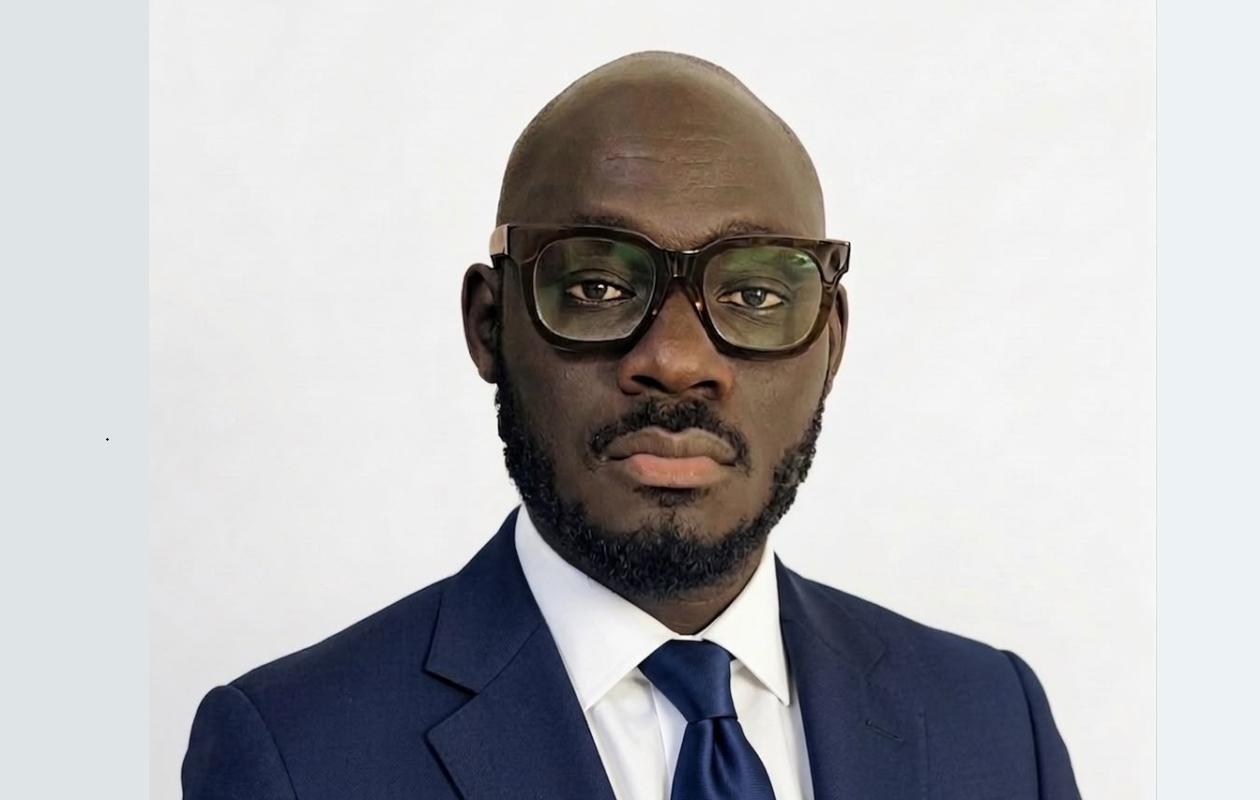
MEFPT : La gouvernance par l'action qui révolutionne le capital humain (Par Papa Ibrahima Diassé)
For far too long, the Ministry of Employment, Vocational Training and Technical Education (MEFPT) has been unfairly perceived as a secondary department—a mere repository for the grievances of a youth seeking a future or a budgetary consolation prize. What a fundamental misinterpretation! In a Senegal where more than 60% of the population is under 25 and where nearly 300,000 young people knock on the doors of the job market each year, this ministry is not simply an administrative cog: it is the beating heart of our social cohesion and the geostrategic engine of our economic development.
Human capital: The true hydrocarbon of tomorrow's Senegal
The macroeconomic diagnosis of modern Senegal is unequivocal. Our growth can no longer be sustained solely by revenue from extractive raw materials or the proliferation of concrete infrastructure. The true fuel of Senegal's future lies in its human capital. Without a precise alignment between trained professionals and the real needs of a rapidly changing market (particularly in digital technology, agribusiness, construction, and the emerging oil and gas sectors), the ambition of national emergence will remain a mere promise.
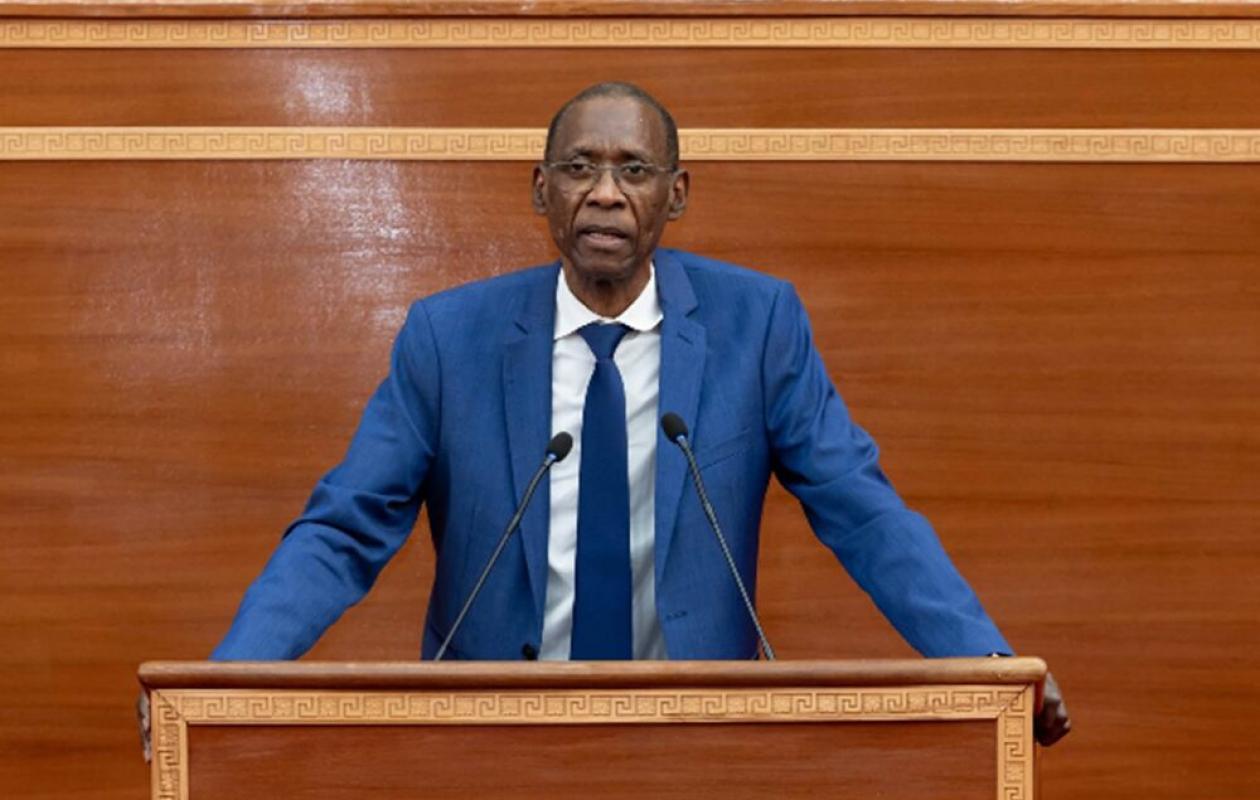
Youth employment is not simply a statistical variable or a social budget line item; it is a categorical imperative that conditions our national security, our economic sovereignty, and our social cohesion. It is in light of this monumental challenge that we must analyze the major changes taking place within this department. The arrival of Idrissa Samb at the head of the ministry has injected a vigorous dynamic and a highly noteworthy leadership into this process. While this impetus is now perceived as a genuine institutional accelerator, it is first and foremost part of a republican continuity. It crowns and consolidates the fundamental efforts and solid foundations laid by his predecessors, who worked tirelessly to structure this key sector.
Building on these valuable achievements, the new minister is now focused on pragmatically accelerating reforms to address the urgent needs of the moment. Whether through immersive field visits, direct consultations with key stakeholders in the sector, or rigorous strategic decisions, Mr. Samb is raising the stakes and fully committed to bridging the historical gap between theory and practice. Under his leadership, vocational training aims to become a true driving force of our national economic sovereignty.
Massive investments in the service of inclusion: The "Daaras Workshops" model
This new dynamic goes beyond mere programmatic rhetoric; it is grounded in reality through concrete actions and a portfolio of structuring projects undergoing intensive acceleration. Foremost among these innovations is the revolutionary Daaras Workshop model, a major gateway to inclusion that modernizes traditional learning by integrating it into the modern production system.
* A total budget of 16.25 billion FCFA, entirely mobilized from the Senegalese State's own resources.
* A deployment horizon of 5 years across the entire national territory.
* An operational target of 20,000 young talibés trained, qualified and permanently removed from precariousness.
* Strict performance indicators: a target certification rate of 80% (according to international standards) and a direct professional integration target of 70% to guarantee their long-term economic autonomy.
This project does not treat precariousness as a social inevitability, but transforms a pool of historically marginalized talent into major players in the crafts and technical trades of tomorrow.
The institutional framework: A synergy of specialized programs
To structure this employment policy and optimize the effectiveness of funding, the ministry is orchestrating a synergy of highly specialized instruments. Behind acronyms sometimes perceived as abstract lie, among others, key operational levers:
* The PATIP-JF (Project to Support the Territorialization of Integration Policies)
* Professional for Youth and Women: Dedicated to curriculum modernization and training engineering aligned with global industry standards.
* The PAIJF (Project to Support the Integration of Youth and Women): Focused on economic empowerment through the financing and support of entrepreneurship with strong local roots.
* The PACES (Programme d'Appui à la Création d'Emploi et des Services): Intended to stimulate the creation of formal jobs in the tertiary sector and high value-added services.
* The PF2E (Project for Training for Employment and Entrepreneurship): Designed to strengthen work-study programs and structure apprenticeship pathways in close collaboration with the private sector.
* The PACEJ (Project to Support Social Cohesion and Youth Employment): Focused on preventing the risks of social breakdown through decent employment, particularly in border and vulnerable areas.
Territorialization of skills: Breaking down geographical asymmetries
On the ground, the break is physical, measurable and irreversible. To put an end to the hyper-centralisation of the Dakar peninsula which was stifling the hinterland, a vast programme of construction of 47 latest generation Vocational Training Centres (CFP) has been carried out throughout the national territory.
The objective is clear: to localize skills. Every young person, from Podor to Ziguinchor, from Kédougou to Dakar, now has access to modern technical facilities that meet international standards. By decentralizing expertise, the Ministry of Employment, Vocational Training and Employment (MEFPT) is laying the foundations for polycentric and equitable growth, capable of retaining talent in their home regions and curbing the exodus.
Modernizing the State: The Shift Towards Digital Rigor
To achieve such ambitions nationally and internationally, the state apparatus needed to undergo its own ethical and technological transformation, thus fully embracing the dynamics of the New Deal for technology. Under the managerial leadership of its minister, the department has initiated a large-scale digital transformation, guided by its new Digital Transformation Master Plan. It is within this modernization trajectory that the imminent implementation of the Integrated Human Resources Management System (HRIS) has been launched. This transformative administrative tool is designed to:
1. Modernize and streamline the administrative management of trainers and supervisory staff.
2. Optimize the forward-looking management of skills in real time to adapt it to the realities of the national school map.
3. Guarantee full transparency of decision-making processes and permanently embed the culture of results-oriented evaluation.
The national pivot of emergence
This governance by action and this doctrinal rigor have achieved a remarkable feat: placing the Ministry of Employment, Vocational Training and Employment (MEFPT) at the absolute heart of Senegal's development strategy. By brilliantly demonstrating that the answer to mass unemployment lies not in welfare policies or passive subsidies, but in technological mastery, skills development, and bold structural reforms, Idrissa Samb has made his department the linchpin of the country's socio-economic transformation. The message to national and international technical and financial partners is unequivocal: Senegal's future will be built on technical expertise and professional excellence. The MEFPT is now at the helm.
Papa Ibrahima Diassé















Commentaires (1)
Participer à la Discussion
Règles de la communauté
💡 Astuce : Utilisez des emojis depuis votre téléphone ou le module emoji ci-dessous. Cliquez sur GIF pour ajouter un GIF animé. Collez un lien X/Twitter, TikTok ou Instagram pour l'afficher automatiquement.
Se connecter
Commentez avec votre profil, votre photo, et soyez averti des réponses.