Non ! On ne démissionne pas au Sénégal ! (Par Amadou Moctar Ann, Enseignant-chercheur en Sciences Politiques)
On July 1, 2026, in Toronto, Senegal was eliminated by Belgium in the round of 16 of the World Cup. In the wake of this defeat, followed by "outbursts" within the Senegalese Football Federation (FSF) and criticism of coach Pape Thiaw, the absence of a culture of resignation in Senegal (in all areas) is a question that deserves serious consideration.
A defeat, a dismissal, no voluntary departures…
On July 11, the Senegalese Football Federation (FSF) convened its executive committee in Dakar and formalized the termination of Mr. Pape Thiaw's duties and those of his entire technical staff. Federation president Mr. Abdoulaye Fall told the press that it was a "breakdown of trust." The official statement referred to a "termination of duties procedure," administrative language that speaks volumes about the nature of the action: it wasn't a man who chose to leave, but an institution that chose to force him out.
This detail deserves closer examination. Mr. Thiaw had been managing the national team since December 2024. After a group stage marked by two defeats in three matches and a narrow qualification secured as one of the best third-placed teams, followed by a collapse at the end of the match against Belgium, no personal announcement of his resignation preceded the federation's decision. An executive committee meeting and deliberation were required to terminate a position that, in the eyes of many, had been rendered untenable by the team's poor performance. The coach did not preempt the judgment; he waited for it. Of course, with hindsight and considering the FSF's missteps, the coach cannot be held solely responsible.
This pattern is not an isolated accident. It corresponds to a reflex that is observed, with remarkable regularity, in almost all sectors of Senegalese public life: those who fail wait to be sidelined rather than withdraw of their own accord.
Sport is just a mirror…
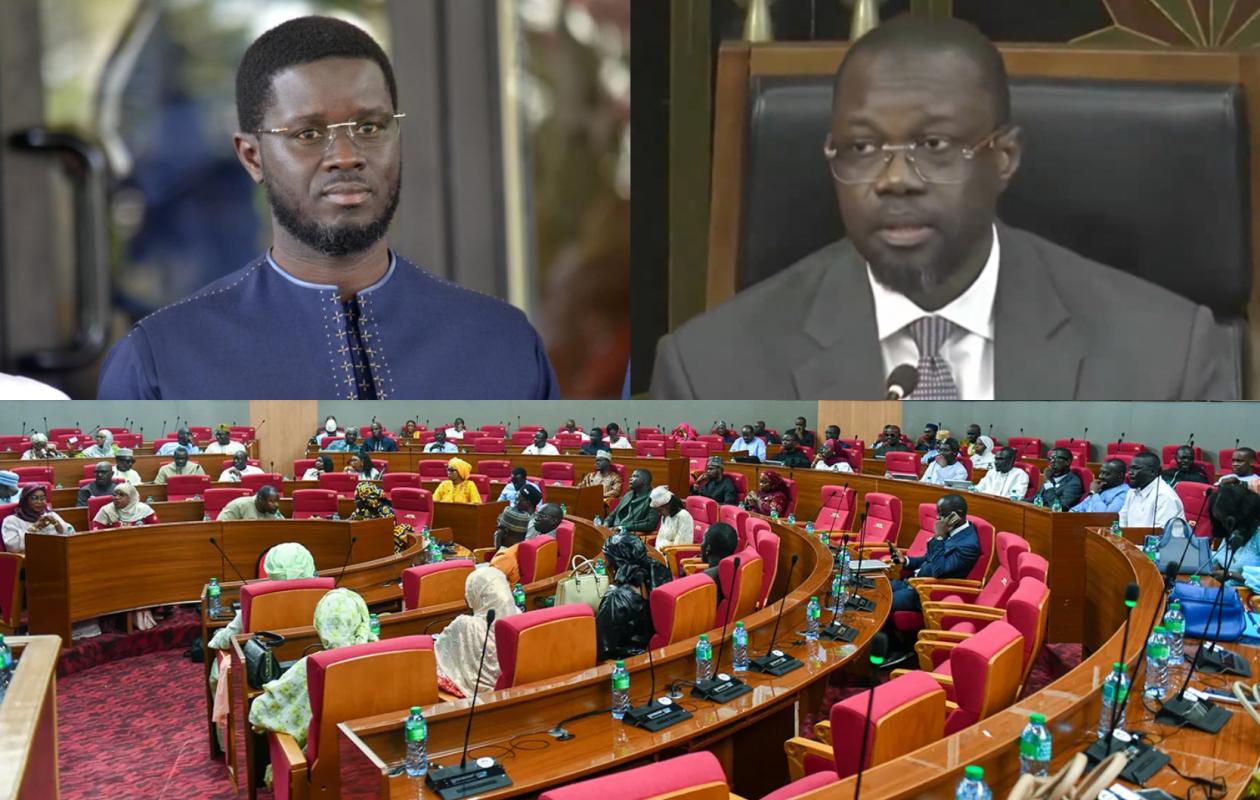
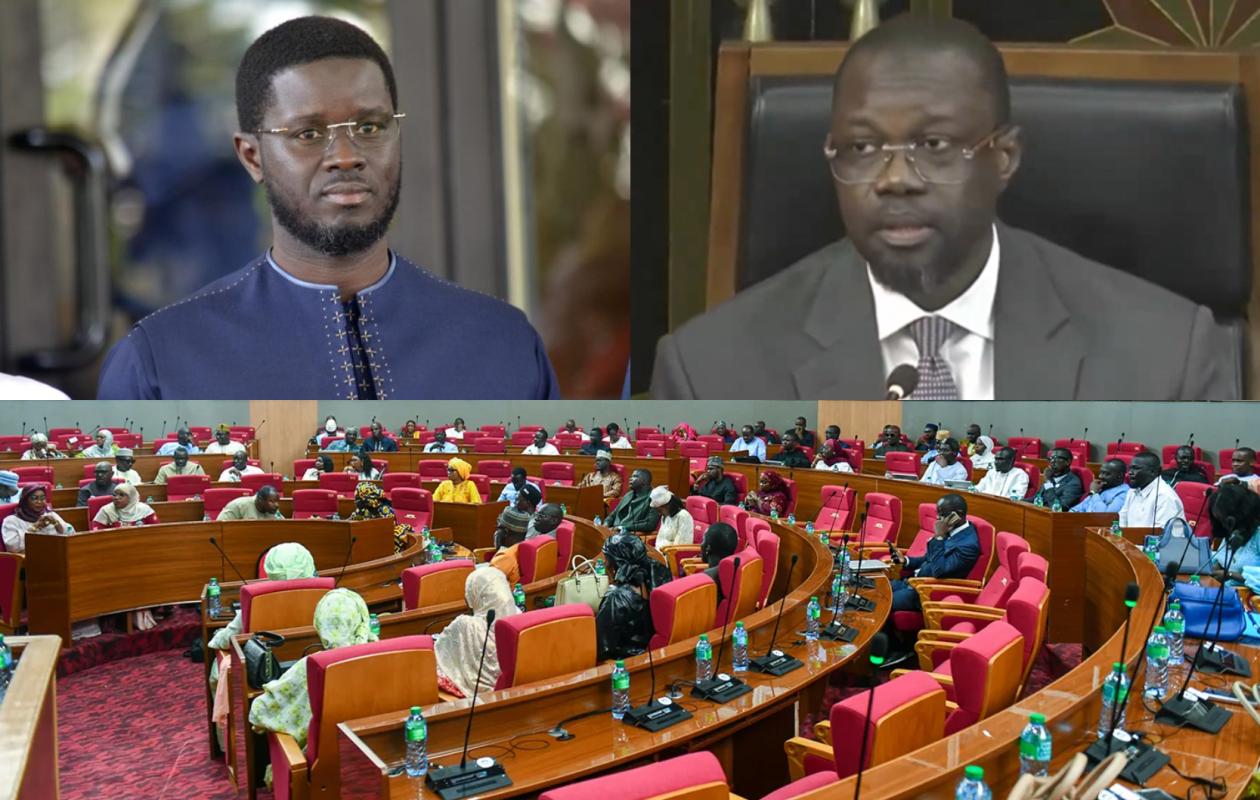
Senegal, however, experienced a season of resignations this year. On May 22, 2026, President Bassirou Diomaye Faye dismissed Prime Minister Ousmane Sonko, leading to the collapse of the government. Two days later, the Speaker of the National Assembly, El Malick Ndiaye, also resigned. He cited his understanding of the institutions and his sense of duty to the state. In the same wave of resignations, three senior officials in the administration, working in the ministries of economy, territorial development, and culture, submitted their own resignations.
These departures must be examined carefully, without confusing them with what the former coach of Niary Tally did not do. None of these executives left their positions because they considered his policies a failure or because an oversight body was demanding accountability. They left out of loyalty to a man removed from power, in a gesture of personal loyalty and political realignment rather than as a response to a specific outcome. Here, the resignation signifies a breach of allegiance, not mismanagement. We can, at least, understand their approach. It is a powerful political statement, especially considering their dismissal was imminent.
However, it is this second type of resignation, the one that responds to a failure of management and not to a dispute over loyalty, that remains rare.
Under different guises, we find the same mechanism as in football: power is reorganized from the top, through dismissals or recompositions of alliances, and almost never through an individual gesture of withdrawal in the face of a result deemed unsatisfactory.
What other countries have institutionalized
Comparison helps to measure what is lacking. In Japan, resignation for poor performance falls under a code of conduct recognized by the entire political class, known as sekinin (responsibility or duty). This term refers to the obligation to account for one's actions, to accept the consequences of one's behavior, or to fulfill a task assigned to one in a professional or social context. In September 2025, Prime Minister Shigeru Ishiba resigned after his party's (Liberal Democratic Party) historic defeat in the July House of Councillors elections, even though his personal approval rating was rising in the polls. He was not accused of any individual wrongdoing. He judged that losing an election was a matter of public concern for his office. In December 2023, four ministers in Fumio Kishida's government had already resigned on the same day, following a hidden financing scandal that implicated their party more than themselves.
It's not that Japanese officials are inherently more honest or courageous than their Senegalese counterparts. Rather, their political system has, over time, cultivated a very strong social and media expectation surrounding voluntary resignation, to the point of making it an almost obligatory step after an electoral defeat or a crisis of confidence. A minister who clings to power after such an episode exposes themselves to a high political cost, one that the system itself has made significant. Nothing comparable currently exists in Senegalese practice, where remaining in office remains the default position, regardless of the outcome.
Why this blockage?
The explanation lies, in part, in the very structure of the civil service and political system in Senegal. A position of responsibility there grants access to an income, a network, and a social status that few other career paths offer with the same speed. Leaving one's own doorstep, in a country where the skilled labor market remains limited and social safety nets are scarce, means forgoing a material advantage without any guarantee of finding an equivalent position. Individual calculations thus lead people to remain as long as possible, until a higher authority makes the decision for them.
Added to this is a particular relationship to public failure. Acknowledging defeat through voluntary resignation implies admitting, before public opinion, personal responsibility for a collective outcome. In a culture where face and honor carry significant weight in social interactions, this gesture can be perceived as a humiliation rather than an act of dignity. A recent opinion piece published on Senego by Dr. Mohamed Diallo defends the opposite view, seeing resignation as a mark of dignity, not a weakness. The debate thus exists in the Senegalese public sphere. For now, it remains a debate, not an established practice.
Finally, the lack of regular and public evaluation mechanisms, independent of political loyalties, deprives the country of a tool that other systems have put in place: bodies, reports, or procedures that regularly make visible the gap between set objectives and achieved results. When this gap is never measured directly, it becomes easy to deny it or attribute it to others, until the day a sporting result, too widely televised to be hidden, makes it impossible to ignore.
A setback that raises a broader question
The Lions' elimination is not tragic in itself. Football, by its very nature, produces its share of defeats, and a team that was leading 2-0 with fifteen minutes remaining in a World Cup match has no reason to be ashamed of its performance. The real question is not the result on the pitch, but what it reveals once again about how the country deals with its failures, in sports as well as in administration and public finance management. As long as voluntary departure remains a rare occurrence, reserved for breaches of loyalty rather than management reviews, every failure will continue to await a decision from the top to finally reach a conclusion.
Amadou Moctar Ann, Lecturer-Researcher in Political Science, Researcher at the Doctoral School of Legal, Political, Economic and Management Sciences at UCAD and former Country Risk Analyst at Anticip/Risk&Co




















Commentaires (4)
Participer à la Discussion
Règles de la communauté
💡 Astuce : Utilisez des emojis depuis votre téléphone ou le module emoji ci-dessous. Cliquez sur GIF pour ajouter un GIF animé. Collez un lien X/Twitter, TikTok ou Instagram pour l'afficher automatiquement.
Se connecter
Commentez avec votre profil, votre photo, et soyez averti des réponses.