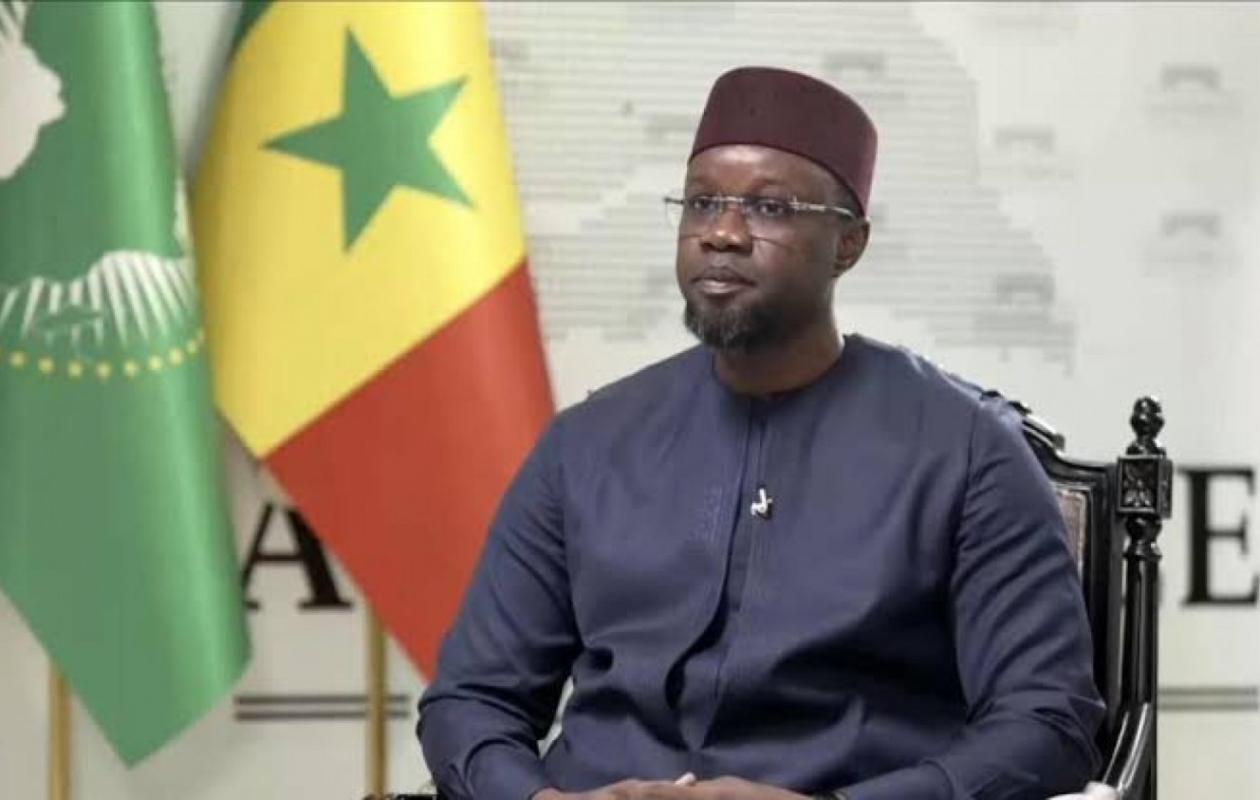
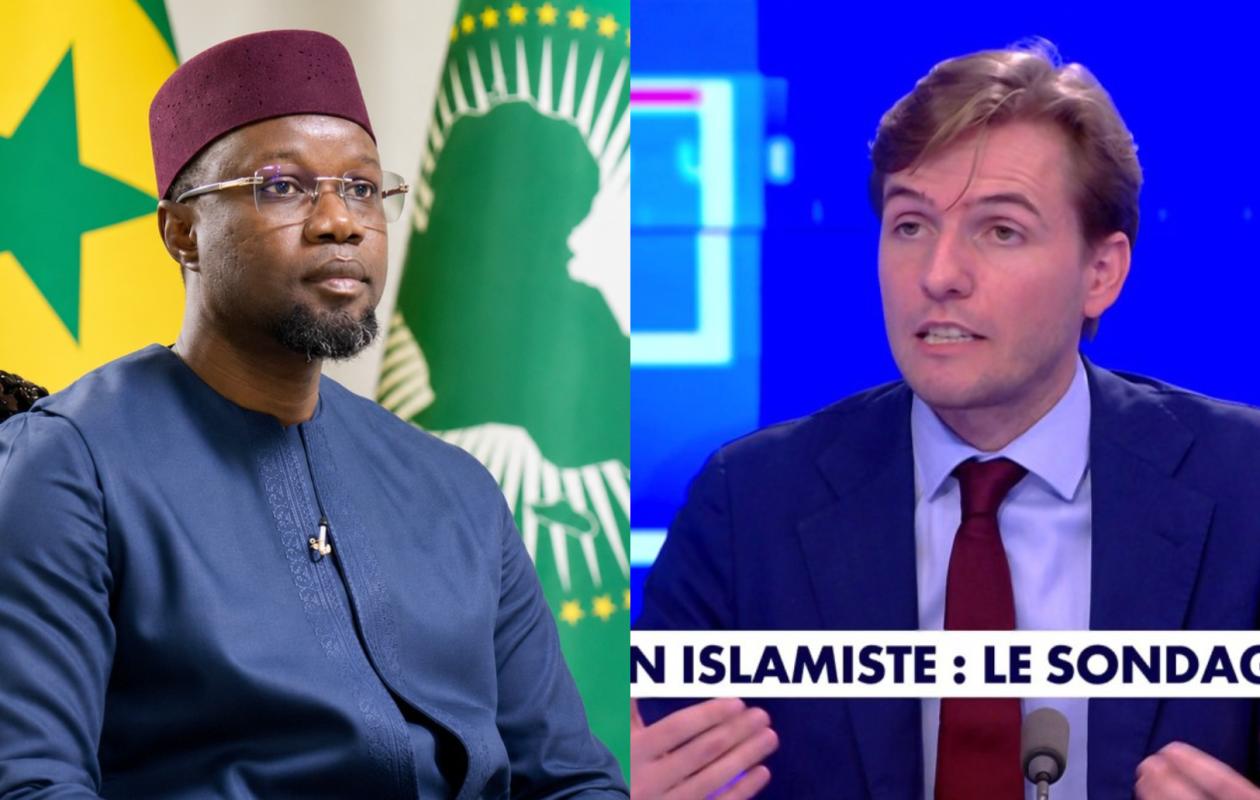
Ousmane Sonko se dédit sur la « dette cachée »! ( Par Ibrahima Baba SALL)
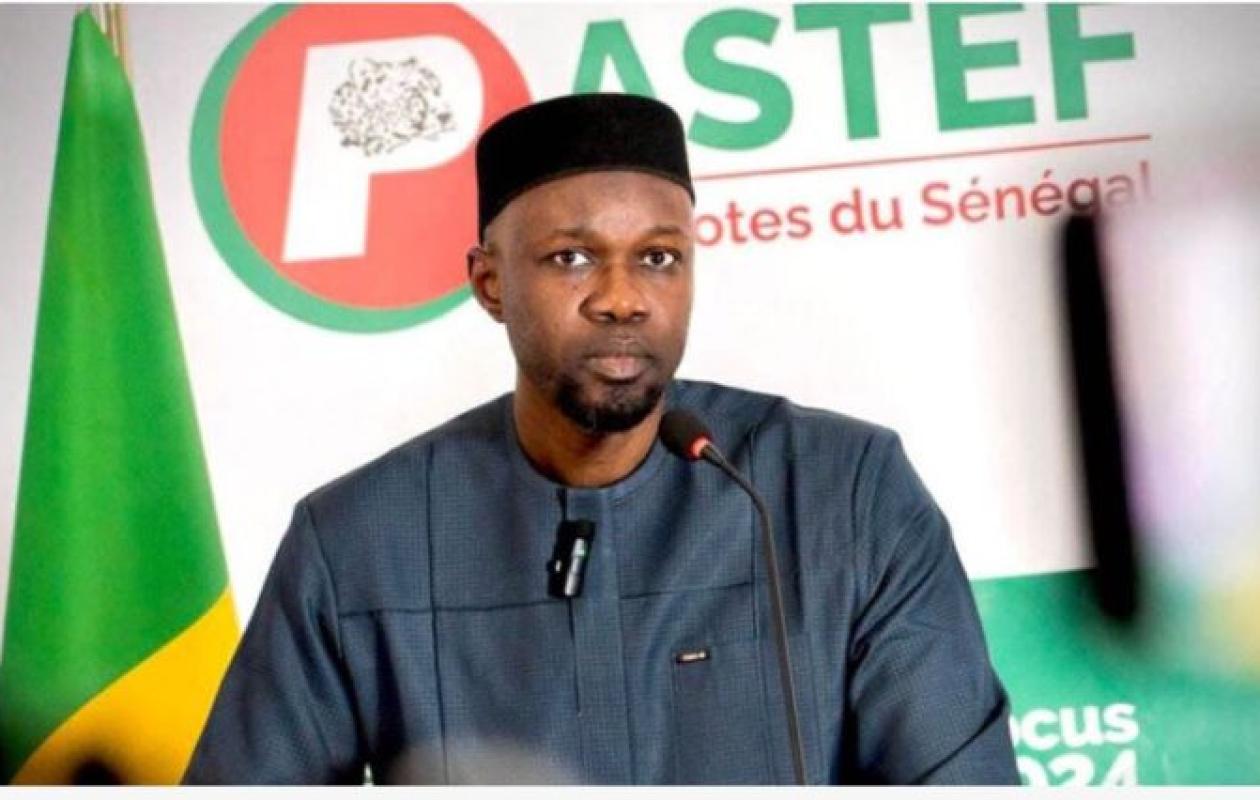
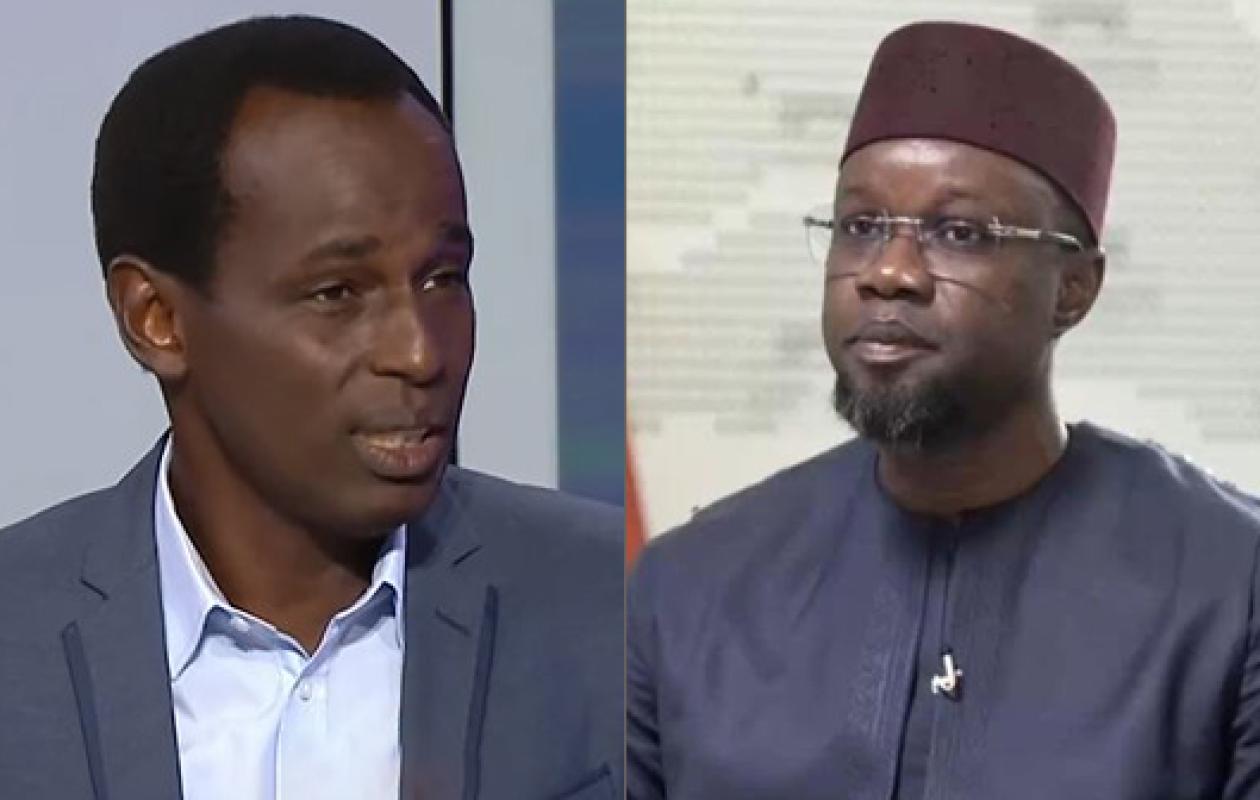
The interview given by Ousmane Sonko to France 24 and RFI had the stated objective of projecting the image of a leader now firmly established in an institutional role: to reassure the public about his relationship with President Bassirou Diomaye Faye, to defend his political choices, and to explain his actions. But paradoxically, this exercise highlights one of the main difficulties he has faced since coming to power: the gap between the rhetoric of gaining power and the reality of exercising it.
The section on the so-called "hidden" debt is particularly revealing. By claiming that he was speaking at the time as a party leader and that he did not have full control of the state apparatus, Ousmane Sonko attempts to frame his statements within the context of political opposition. However, this explanation contradicts the way in which this issue was publicly addressed.
Because this was not merely a partisan speech. The issue of the debt was presented with exceptional gravity in institutional settings, notably during a press conference at the Prime Minister's office and before members of parliament. At that precise moment, the words could no longer be considered those of a simple political figure: they were spoken by a Prime Minister and committed the authority of the State.
This is where the fundamental problem lies: institutional pronouncements cannot be separated from political responsibility when they are used to make serious accusations. A public official cannot use the full force of their office to lend credence to a statement and then revert to their role as party leader when faced with its implications or consequences. This raises a genuine moral and ethical dilemma.
Ousmane Sonko acts unilaterally, and this situation creates a broader democratic crisis: it fuels citizens' distrust of political leaders. When rhetoric shifts depending on the position held—opposition yesterday, government today, or government yesterday and opposition today—public pronouncements lose their value. Yet, the credibility of a statesman rests precisely on the consistency between what he says before coming to power and what he actually does once he is in office. This is precisely Ousmane Sonko's problem: he always says the opposite of what he said yesterday.
The France 24/RFI interview thus gives the impression of a political leader grappling with the difficulty of reconciling two identities: that of the tribune who denounced the system and that of the leader who must now manage the realities of the state. The paradox is that someone who built much of his discourse on denouncing political contradictions finds himself forced to explain the gap between his past pronouncements and his current position.
This gives the impression that Ousmane Sonko sometimes produces the antithesis of his own thesis: he has long criticized previous leaders for not taking responsibility for their choices, for playing with words and for not telling the Senegalese people the whole truth; but today he finds himself confronted with the same demand for consistency.
The aim is not to prevent him from adapting his analysis in the face of new information or the constraints of power. Governing inevitably requires a more complex interpretation than that of the opposition. But there is a difference between delving deeper into a position and retrospectively relativizing a discourse that has been used as a central argument for political legitimation.
But it's easy to understand. Ousmane Sonko finds himself today in a very delicate position between the hammer of the opposition and the anvil of power, and is trying to find his footing, which he is struggling to regain.
His unexpected dismissal from the prime ministership by President Bassirou Diomaye FAYE had a lot to do with it.
He has done a lot to the Senegalese people, damaged our economy and tarnished the once radiant image of our country.
President Macky Sall, his ministers, and directors general, through the prayers of their families and religious leaders, are happy today to see the truth restored, by the grace of God, regarding the country's situation. They left us a country that was on the path to emergence, and which today is last in ECOWAS and mired in poverty, with a youth that has lost all hope for a better future and a rural world left to its own devices on the eve of the rainy season, which has already begun in some regions.
Ultimately, this interview raises more than just the issue of debt. It poses a deeper question: how can trust in political discourse be restored when those who yesterday denounced the contradictions of the system are themselves caught up in the obligation of consistency once in power? It is the question of good faith that is at stake for Ousmane Sonko, who has ultimately accustomed us to going back on his word.
Ibrahima Baba SALL
Former First Vice-President of the National Assembly
Mayor of Bakel
![[EXCLUSIF] Diodio de "Baabel" arrêtée avec de la cocaïne et des objets sexuels : comment une vidéo virale a poussé le procureur Saliou Dicko à actionner la BR de Keur Massar](https://image.seneweb.com/content/news/2026-25-17//thumb_1260x800_6a31e625b77ed_Ghfor4Ome2.jpg)








Commentaires (15)
Participer à la Discussion
Règles de la communauté :
💡 Astuce : Utilisez des emojis depuis votre téléphone ou le module emoji ci-dessous. Cliquez sur GIF pour ajouter un GIF animé. Collez un lien X/Twitter, TikTok ou Instagram pour l'afficher automatiquement.