Que la mer cesse d’être le tombeau de nos promesses (Par Aalioune NDOYE)
For a national coalition to safeguard youth, brought together around the head of state as soon as the Youth Olympic Games are closed.
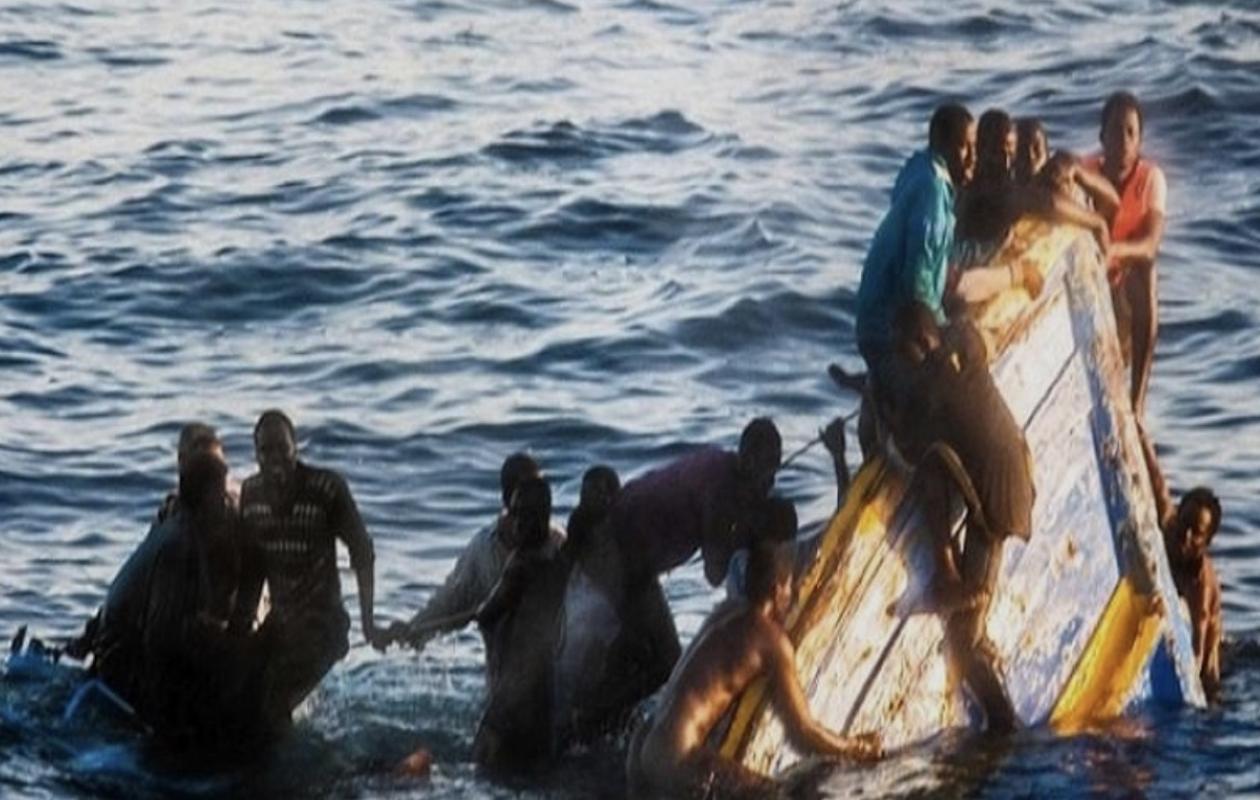
A nation should never become accustomed to waiting for news of its children from the ocean. It should never learn to recognize its sons by a found article of clothing, a dubious photograph, or the broken story of a survivor. It should never accept that families remain suspended between two impossible situations: mourning without a body, and continuing to hope without news.
The tragedy of irregular migration nonetheless inflicts this wound upon us. Behind each boat, entire lives are lost: an interrupted apprenticeship, a diploma without prospects, a job that no longer provides a living, a debt, a family expectation, a promise made to a mother. And when the crossing turns into disaster, it is not only passengers who disappear. It is families that are torn apart, neighborhoods that are plunged into mourning, and skills and resources that the country needed.
We must find the words to say it, but above all the will to prevent it: if any cause deserves today a national, immediate, sincere coalition, transcending partisan affiliations and institutional rivalries, it is the safeguarding of our youth.
A coalition not to add to the discourse, but to oppose the deadly departure with a concrete perspective; to the smuggling industry with the organized power of the State; to the distress of families with a solidarity that takes action.
Senegal will host the first Youth Olympic Games to be held on the African continent, from October 31 to November 13, 2026. This historic event celebrates youth, their talent, and their ability to shape the future. It also compels us to recognize those who, far from the podiums, are simply seeking their place in their own country.
As soon as the Games close, let us gather around the Head of State for a national pact for safeguarding and planning for the future. Let us prepare it now. Because the closing of the Youth Olympic Games must be a call for general mobilization, never a pretext for further delays in relief or prevention efforts.
Understanding what motivates people to leave, without blaming those who are leaving
The first mistake would be to reduce these departures to collective recklessness, a fascination with foreign lands, or a lack of patriotism. Social division cannot be healed by putting those who suffer it on trial.
The available data illustrates the scale of the challenge. In the first quarter of 2025, according to the National Agency for Statistics and Demography, 33.5% of Senegalese aged 15 to 24 were neither employed, nor in education, nor in training. This proportion reached 44.2% in rural areas. In the third quarter of the same year, unemployment, broadly defined, affected 23.6% of young working-age adults aged 15 to 34, compared to 14.4% of those aged 35 and over. These indicators relate to different populations; they cannot be added together. However, they highlight the same urgent issue: the extremely precarious access to employment and a pathway to integration.
These figures do not allow us to create a profile of each individual candidate for departure. However, they do preclude treating the phenomenon as a simple matter of beach surveillance.
The migration profile of Senegal, developed with the IOM, describes emigration affecting various segments of the working-age population, in both rural and urban areas. It highlights the role of job searching, underemployment, economic vulnerability, and reduced opportunities for regular migration. It also notes the involvement of people from traditional artisanal fishing areas.
Therefore, we need to look at several mechanisms at once.
First, insufficient income, not just the lack of employment. A young person can work without being able to live off their work. An activity only becomes a reason to stay when it allows them to feed themselves, have a place to live, support their family, and plan for the future.
Next, there is the difficulty in transforming effort into future prospects. When training does not lead to activity, when the project waits indefinitely for funding, when the efforts absorb energy without producing visible results, it is the confidence in the proposed path that must be questioned.
In addition to this, there are other dimensions that the public response must examine without resorting to caricature: the weight of family expectations, comparisons with the visible successes of the diaspora, misleading narratives about living conditions abroad, and the shame sometimes associated with returning penniless. It is essential to listen to young people to understand the true weight of each of these factors, rather than presuming to speak for them.
Finally, smuggling networks give order to despair. Where public responses may seem distant or complex, they offer a date, a place, and a promise. A promise that is deceitful, dangerous, sometimes deadly, but made immediately.
This is what our action must reverse: making the protective solution more accessible than the offer of the smuggler.
Name the dead with rigor, protect the living with firmness
The gravity of the tragedy leaves no room for error. The IOM emphasizes that data on the West African Atlantic route remains scarce and incomplete, with data collection lacking harmonization except for arrivals in the Canary Islands. Therefore, figures for this route should not be presented as counts of only Senegalese nationals.
This statistical uncertainty in no way diminishes our duty. It adds a requirement: to better document disappearances, to better support families, to better identify victims, and never to confuse a missing person with a permanently closed phone line.
As for departures, our objective must be unambiguous: to prevent dangerous clandestine crossings, dismantle their organizational networks and leave no credible alert unanswered.
But firmness must be selective. The organizers, financiers, recruiters, and any accomplices must be held accountable. Those rescued must be protected, cared for, and supported. Search and rescue at sea must remain an absolute obligation.
We must not turn our coasts into a prison, nor our youth into a suspect population. We must prevent them from becoming the embarkation point for a trade in human lives.
No responsible official can guarantee that no clandestine departure will ever occur. However, the nation can demand continued efforts to make such departures increasingly difficult to organize and, above all, increasingly less desirable.
As soon as the Youth Olympic Games are over, a national implementation pact
The head of state should convene, as early as the week following the closing of the Games, a focused national meeting, prepared in advance and concluded with binding commitments.
Around him: the government, local authorities, the majority and the opposition, employers and unions, fishermen's organizations, agricultural actors, training establishments, banks, the diaspora, religious and customary authorities, women's associations, researchers, bereaved families and the young people themselves.
We must all rally around the head of state, not to suspend democratic debate, but to safeguard the survival of our children from its conflicts. National unity does not require silencing differences. It requires that they cease to prevent us from acting together.
This meeting should not conclude with just another declaration. It should adopt a timeline, funding, assigned responsibilities, and verifiable results.
The president would guarantee the impetus and arbitration; the prime minister would lead its interministerial implementation; local authorities would ensure its local integration. A small monitoring team, supported by existing institutions, would publish progress and delays.
The key word must be execution .
1. Within seven days: organize protection and alert
Let's establish permanent operational coordination between security services, maritime authorities, rescue services and the justice system, with a clear chain of responsibility.
A confidential alert system must allow a family member or witness to report preparations for a dangerous crossing. Its operation must protect personal data, prevent malicious denunciations, and avoid exposing those seeking help.
The investigations will have to follow the money as much as the boats: identifying the collectors, the organizers, the payment channels and the beneficiaries, under judicial supervision.
At the same time, every person rescued should have access to a medical assessment, psychological support, and an initial offer of social and professional assistance. Interrupting a crossing without addressing the underlying causes cannot be considered a comprehensive solution.
2. Within thirty days: offer a local response and an initial income
In the municipalities selected based on a documented diagnosis of departures and vulnerabilities, let us establish a one-stop shop for the future, without building new buildings or creating an additional administration.
A young person should be able to meet an identified contact person, have their skills recognized, explain their difficulties and obtain, within a given timeframe, a suitable proposal: paid apprenticeship, employment, training related to recruitment, support for an activity or social support.
This system should be complemented by paid territorial transition contracts: urban maintenance, sanitation, infrastructure rehabilitation, restoration of natural environments, and local services. Each contract must correspond to a genuine need, comply with labor regulations, and include a pathway towards more sustainable employment.
The principle is simple: do not ask a young person to wait several months for training or a project without giving them the means to get through this wait.
3. Within sixty days: finance activities that already have a market outlet
We must stop confusing funding a project with generating income.
Let's experiment with "market-equipment-support" contracts. Before disbursement, the project must identify its customers, costs, supply conditions, and viability threshold. Depending on the circumstances, support will take the form of shared equipment, a lease with an option to purchase, a guarantee, or phased financing.
Local authorities, businesses and public services could, while respecting public procurement rules, make their needs more accessible to small businesses: adapted lotting, open information, monitored payment deadlines and support for quality.
In fishing areas, efforts should also focus on land-based activities: preservation, processing, maintenance, safety, and marketing. In agricultural areas, no project should be approved without verifying effective access to land, water, inputs, and buyers.
Innovation is not always a new technology. It can be a rule finally applied: no longer financing production without preparing its sale.
4. Within ninety days: make training a stepping stone, not a waiting room
Let's launch tripartite contracts between young people, training centers, and employers. Short training courses must be based on identified professional needs, include practical experience, and provide compensation when lack of income is an obstacle.
Part of the funding for operators could depend on verified results: skills acquired, integration achieved, and retention in the activity. Controls will be necessary to prevent sham recruitment and the exclusion of the most vulnerable candidates.
The diaspora could contribute through mentorship, equipment, access to clients, and productive investment. But each partnership must be based on specific commitments: who brings what, by when, and for what outcome?
In the same spirit, let's prepare a professional legacy for the Youth Olympic Games: identify, with their consent, the skills acquired by the young people involved in the event and organize connections between them and employers. The Games must leave more than just memories; they must open doors.
5. Open regular channels and make the results public
Combating illegal crossings does not mean condemning all mobility. It is necessary to negotiate opportunities for regular training, studies, and work, with public selection criteria, verified contracts, worker protection, and support for return.
The real choice is not between confinement and departure. It is between organized mobility and travel left to the mercy of traffickers.
Finally, the pact must publish its cost, funding sources, and results. Before any new expenditure, let's take stock of existing programs, their beneficiaries, and their performance. Let's redirect what can be redirected; eliminate redundancies; and subject new funding to independent costing and oversight.
The dashboard will need to measure the income actually paid, the apprenticeships started, the activities still viable after several months, the sustainable integrations, the families supported, and the legal follow-up to investigations. The number of interceptions, taken in isolation, will not be sufficient to establish success.
The country needs evidence, not a new vocabulary of urgency.
Mr. President, let us unite the country around those it risks losing.
This cause belongs neither to a government nor to an opposition. It belongs to the families who wait, to the survivors who bear the burden, to the young people who are still hesitant, to those who work and simply want their efforts to allow them to live.
We cannot demand that our youth love their country without, in return, making room for them. Patriotism cannot be an order given to those who have lost their way. It must become an experience: that of being valued, supported, treated fairly, and paid for one's work.
Retaining our young people should not mean immobilizing them. It should mean giving them compelling reasons to choose to stay, and safe enough pathways so that those who leave do not have to entrust their lives to the randomness of a crossing.
At the close of the Youth Olympic Games, when the flame is extinguished, let us ignite this shared commitment. May the same country that has welcomed the world's youth unite to protect its own.
Let everyone come with a contribution, a commitment, a responsibility. Let businesses open up opportunities, let communities organize local support, let families be heard, let justice strike at traffickers, and let the State stick to the timetable.
The sea must once again become a place of work, exchange, and horizon. It must no longer be the only option we leave our children to turn to because we haven't offered them any other.
Our national duty is this: to ensure that when choosing his life, a young Senegalese man is no longer led to believe that he must first risk it.
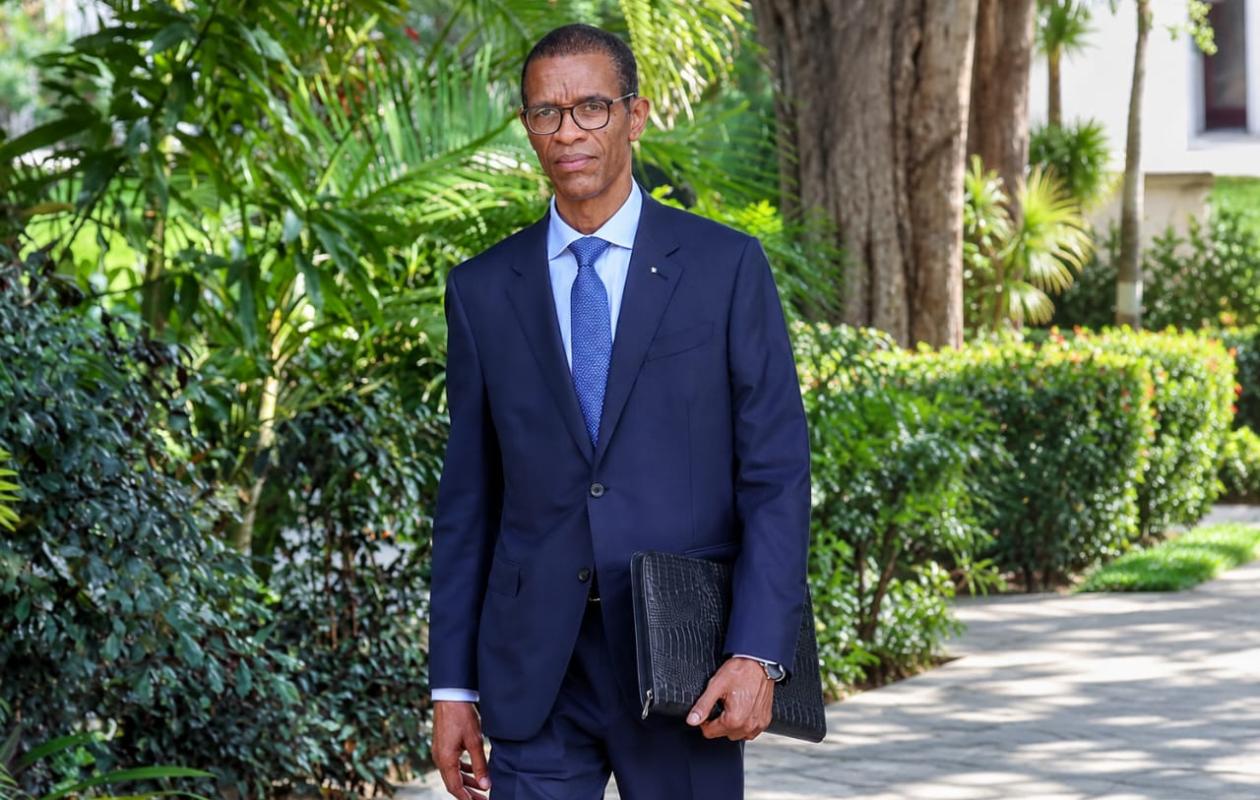
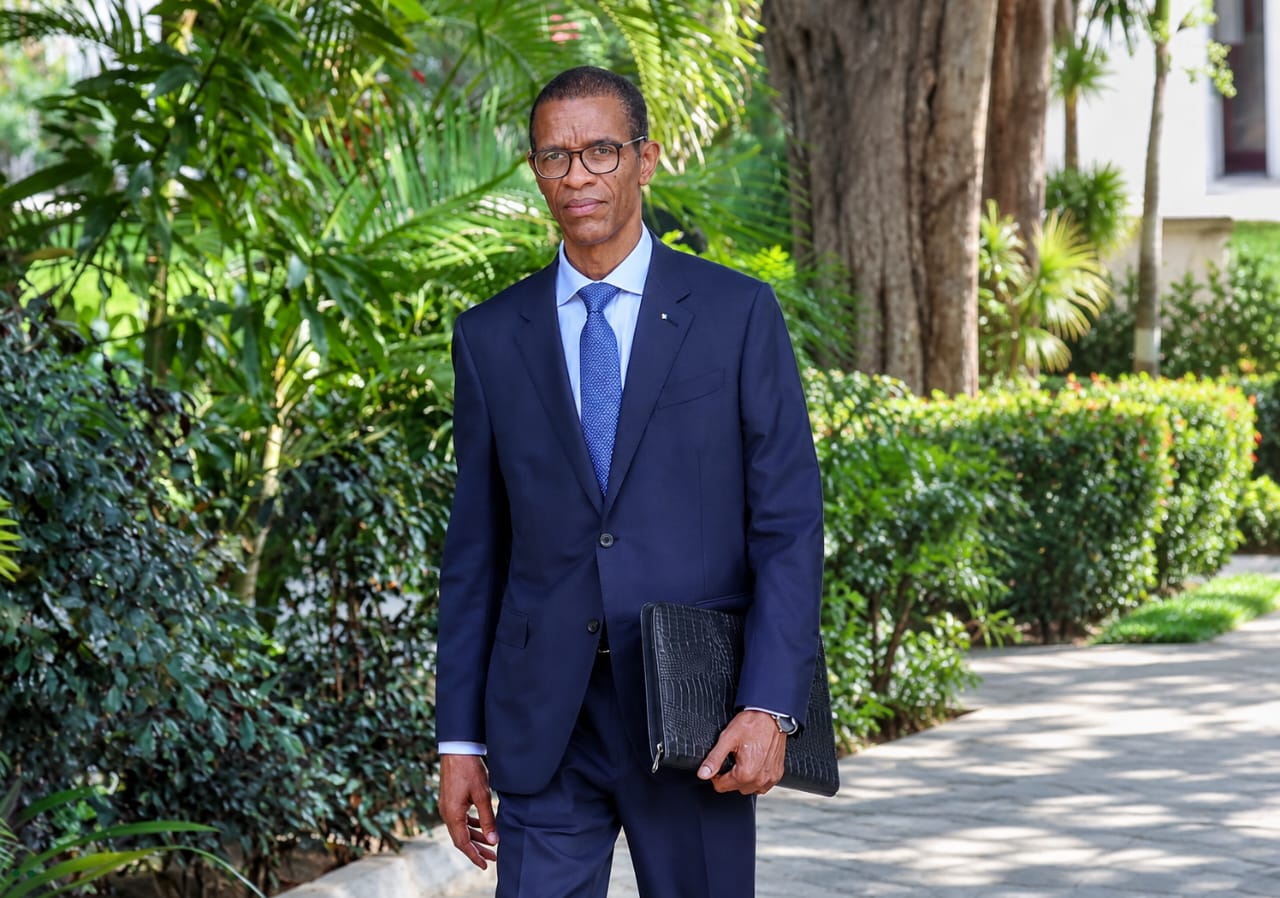
Alioune NDOYE - Mayor of Dakar-Plateau




















Commentaires (1)
Participer à la Discussion
Règles de la communauté
💡 Astuce : Utilisez des emojis depuis votre téléphone ou le module emoji ci-dessous. Cliquez sur GIF pour ajouter un GIF animé. Collez un lien X/Twitter, TikTok ou Instagram pour l'afficher automatiquement.
Se connecter
Commentez avec votre profil, votre photo, et soyez averti des réponses.