Sénégal : Au-delà du mirage de la crise politique, l'épreuve de la gouvernance et des urgences réelles [PAR Alassane MBAYE]
Recent political history in Senegal is once again dominated by pronouncements from the leaders of the ruling party, particularly Ousmane Sonko's latest media appearance focused on the National Assembly's budget guidelines. While these interventions capture media attention and fuel speculation, a dispassionate institutional analysis, detached from partisan passions, requires a return to the country's true priorities.
Republican stability is not measured by the audience at press conferences, but by the capacity of institutions to respond to current structural challenges. Faced with the legitimate impatience of the population and global financial constraints, the time for posturing is over; now is the time for implementing effective and coherent public governance.
The urgent expectations of the Senegalese population in the face of the cost of living
The primary imperative of the current government lies in meeting the basic needs of the Senegalese people , whose expectations remain unchanged since the transition of power. Daily realities demand immediate economic priorities, foremost among them controlling inflation and preserving purchasing power .
Access to basic necessities and the sustainability of social safety nets are the first line of defense against household poverty . At the same time, the professional integration and employment of young people seeking opportunities remain the essential barometer of the success of public policies. The social tensions observed in certain key sectors, particularly education and energy, remind policymakers that the expected responses must be structural and concrete in order to ensure the social peace indispensable for development.
The major macroeconomic and financial challenges of the moment
Beyond social demands, Senegal is going through a pivotal economic phase that requires a rigorous balancing act between pragmatic management and aspirations for radical change. National financial governance faces objective constraints, notably the complex equation of public debt management and the imperative of fiscal consolidation expected by international partners.
The government is at a crossroads: it must stabilize macroeconomic balances while simultaneously financing the structural reforms promised to the country. This critical exercise requires a smooth transition between the original political doctrine and the pragmatic realities of state administration. Senegal's international credibility rests on its ability to maintain a clear economic trajectory, capable of attracting investment while guaranteeing its financial sovereignty.
The sovereign and organizational challenge of the Youth Olympic Games (YOG)
It is precisely within this constrained financial framework that the country's greatest organizational and reputational challenge lies: the preparation for the Dakar 2026 Youth Olympic Games (YOG). The first Olympic event in the history of the African continent, this event transcends political divides and represents an absolute issue of national sovereignty.
Beyond the delivery of sports infrastructure in Dakar, Diamniadio, and Saly, the Youth Olympic Games represent a major economic showcase for attracting investment and tourism , as well as a lever for inclusion for Senegalese youth . The success of this event requires rigorous budgetary mobilization , impeccable social stability, and perfect coordination of the state apparatus , reminding decision-makers that institutional paralysis is not an option when faced with the country's international commitments.
The institutional absurdity of an alleged war at the highest levels of the state
It is within this context of multiple challenges that the thesis of a destructive conflict between the President of the Republic, Bassirou Diomaye Faye, and the parliamentary leader, Ousmane Sonko, proves to be a major institutional misinterpretation . In a mature democracy founded on the principle of the separation and balance of powers, nuances, budgetary discussions, or legislative amendments do not reflect a crisis of the regime, but rather the regular functioning of republican institutions.
Presenting every disagreement as a rupture obscures the fact that parliamentary deliberation and oversight enrich executive action rather than paralyzing it. The constructive duality between pragmatic governance and doctrinal orthodoxy must serve as a driving force for balance and transparency, thus ensuring that no power is exercised without checks and balances.
In conclusion , an objective examination of the political situation shows that the real issue at stake in the current sequence of events goes far beyond individual positioning strategies. The maturity of a regime is not measured by the absence of debate, but by its capacity to translate political ambitions into tangible results. It is through the regular and peaceful functioning of institutions that the executive and legislative branches will demonstrate that the balance of powers remains the best guarantee of the economic progress and social justice expected by the Senegalese people.
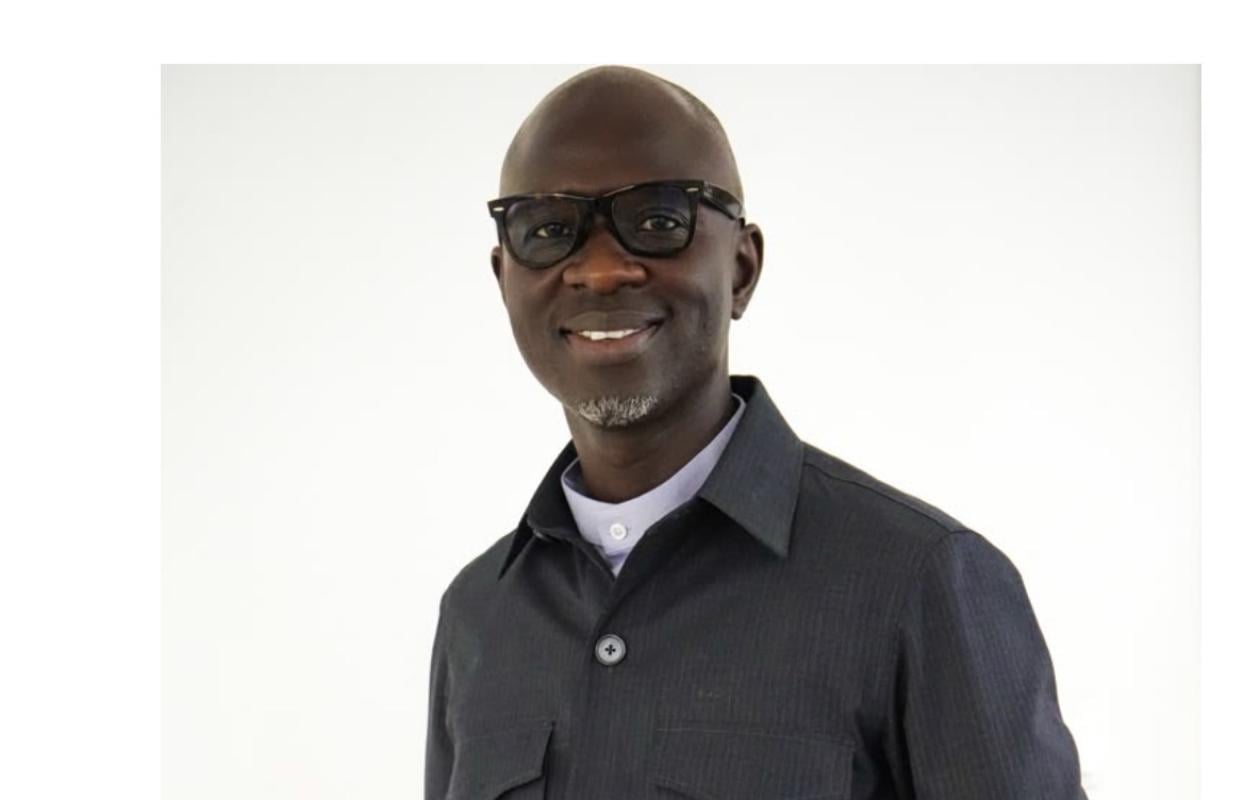
Alassane MBAYE
Defense and security expert
Founder and Chairman of the Board of the Vigilus Group




















Commentaires (1)
Votre analyse est non seulement pertinente mais également très poussée. Ce pays est dans une situation économique et sociale très fragile voire précaire.
Il est préférable d'arrêter ces débats stériles qui ne mènent à rien et surtout de penser à sortir la tête de l'eau
Participer à la Discussion
Règles de la communauté
💡 Astuce : Utilisez des emojis depuis votre téléphone ou le module emoji ci-dessous. Cliquez sur GIF pour ajouter un GIF animé. Collez un lien X/Twitter, TikTok ou Instagram pour l'afficher automatiquement.
Se connecter
Commentez avec votre profil, votre photo, et soyez averti des réponses.