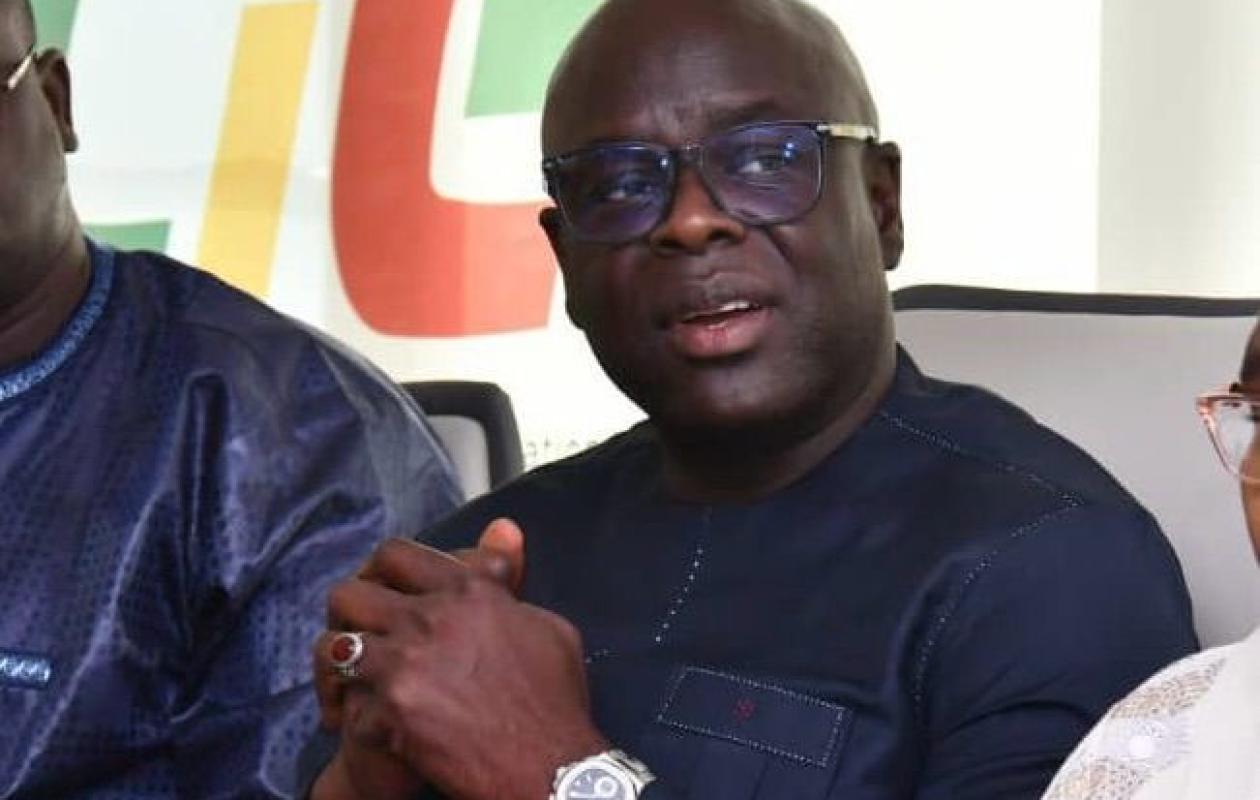
*Sénégal : de la rupture au bal poussière* (Par Abdoulaye Dieng)
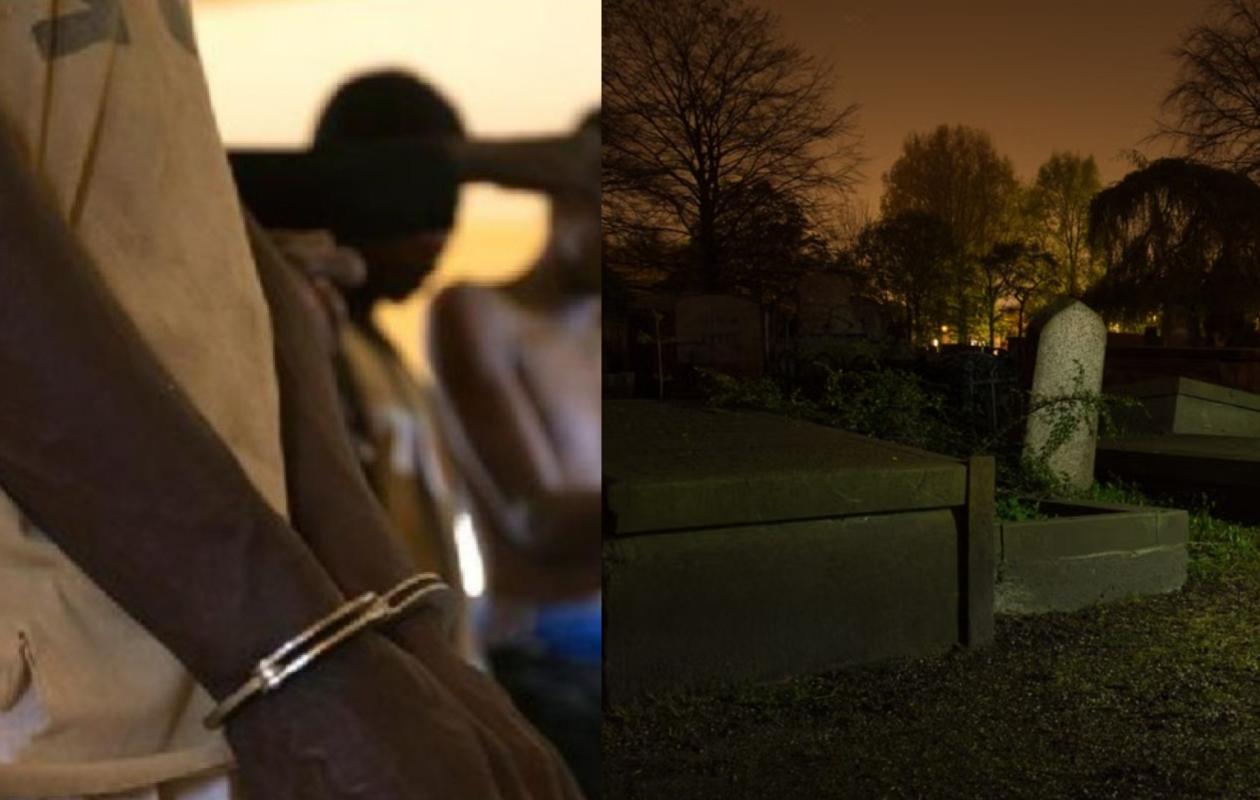
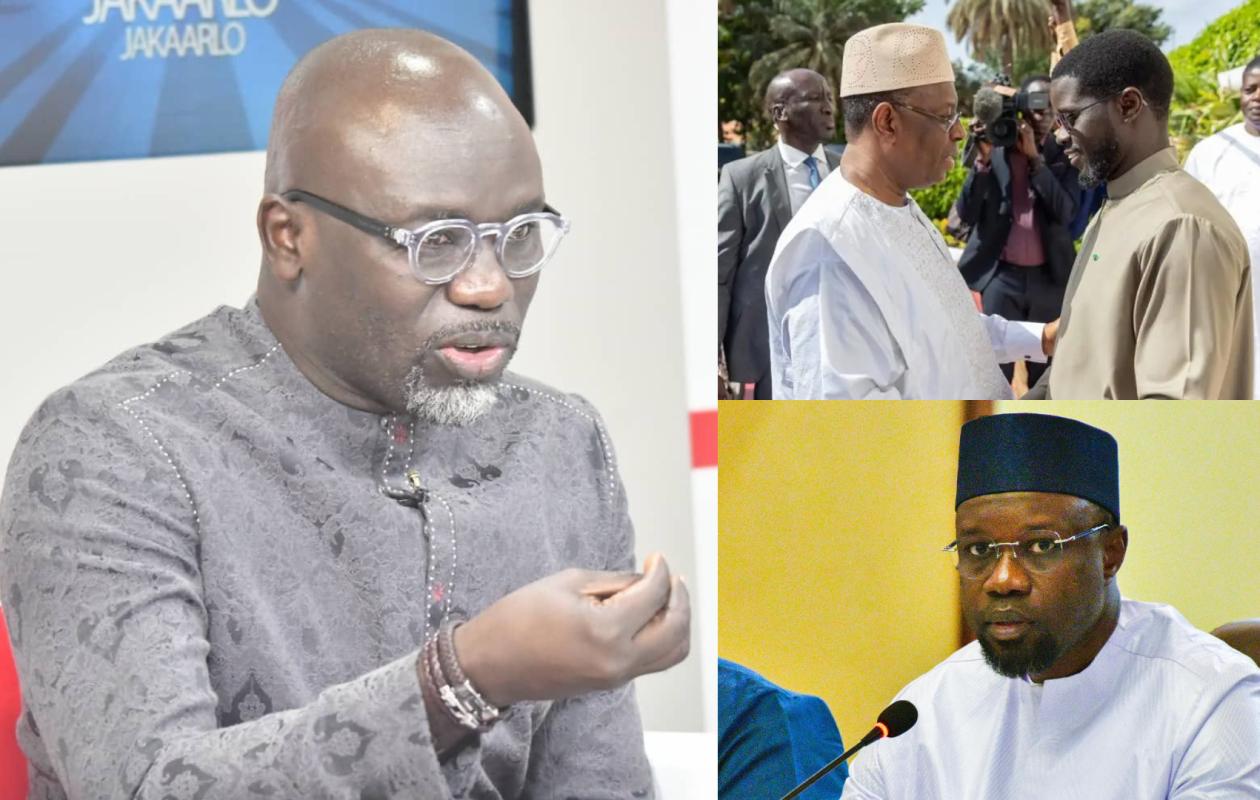
To understand what is happening in Senegal today, we must go back to the beginning. A party came to power after a particularly painful struggle: dozens of deaths, thousands of arrests and detentions, injuries, devastated families, and above all, a youth that no longer demanded a simple change of power, but a true break with the existing system. This hope was embodied in a duo, Ousmane Sonko and Bassirou Diomaye Faye. Sonko, prevented from running for office, appointed his secretary general to lead the movement. A few days after their release from prison, Diomaye became president of the Republic. This almost unprecedented situation rekindled immense hope, in Senegal and elsewhere in Africa.
The collapse of the old regime was almost total. Some left the country, many suddenly became discreet. The people, however, began to hope again. The first few months were interesting: a certain authority was felt to be returning, a desire to restore order, and above all, the Jub, Jubal, Jubanti philosophy, which was to establish a new way of governing. Faced with the discovery of a public finance situation far more serious than anticipated, the government initially chose not to pass the burden on to the population. The prices of several basic necessities were reduced, and later, fuel prices were lowered as well. A recovery policy based primarily on our own resources was launched simultaneously. The methods and results could be debated, but the objective was clear: sovereignty, recovery, and protection of purchasing power.
But perhaps we underestimated one thing: a system doesn't disappear simply because a regime falls. And by system, I don't mean just the former power structure or its leaders. I'm talking about this mode of governance built up over decades, made up of networks of interests, patronage, close ties to power, political and economic opportunism, but also practices deeply entrenched even within the administration. The people may leave, but the system can survive them.
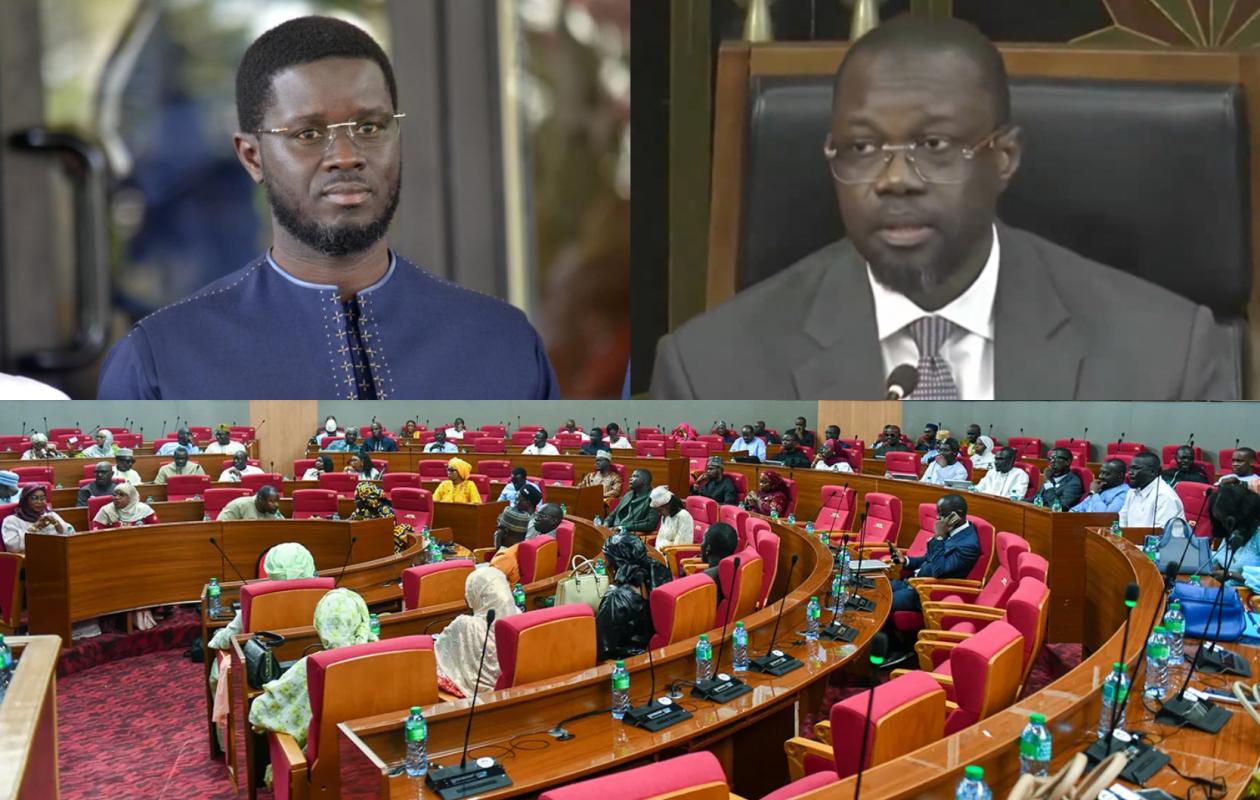
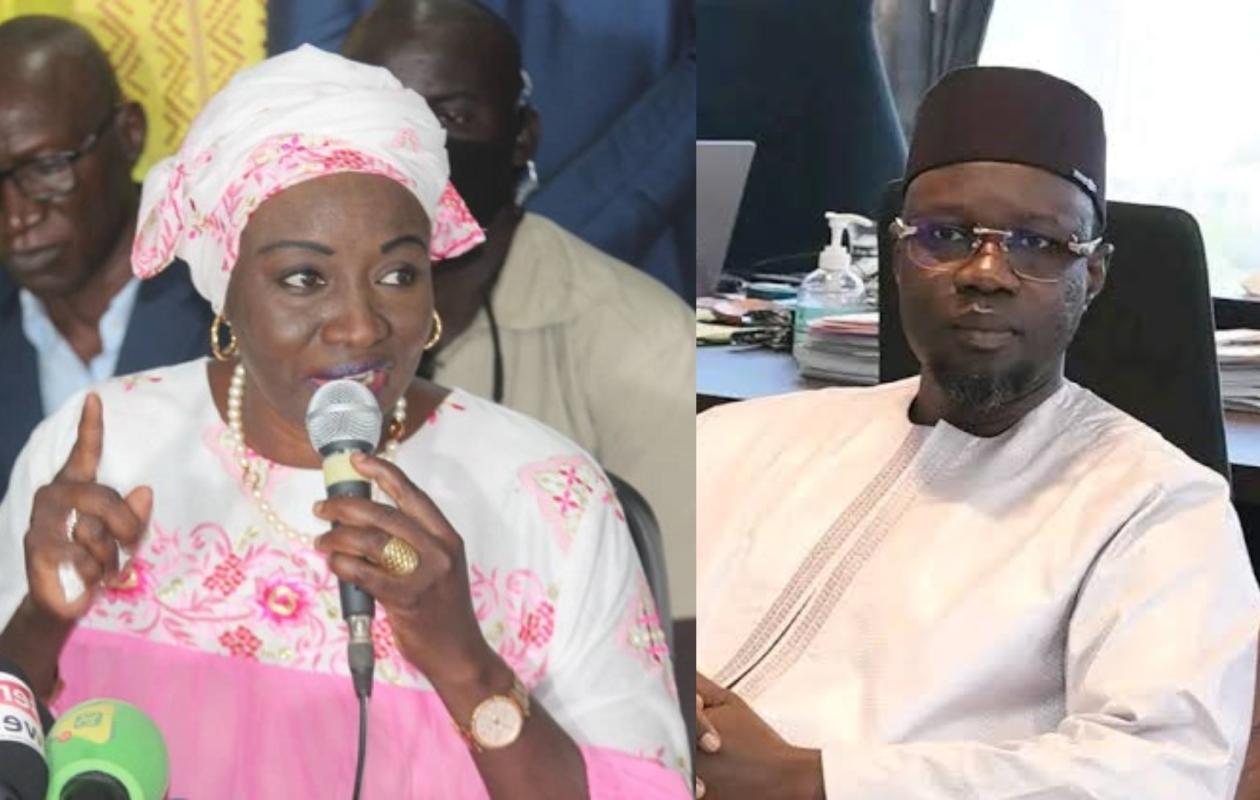
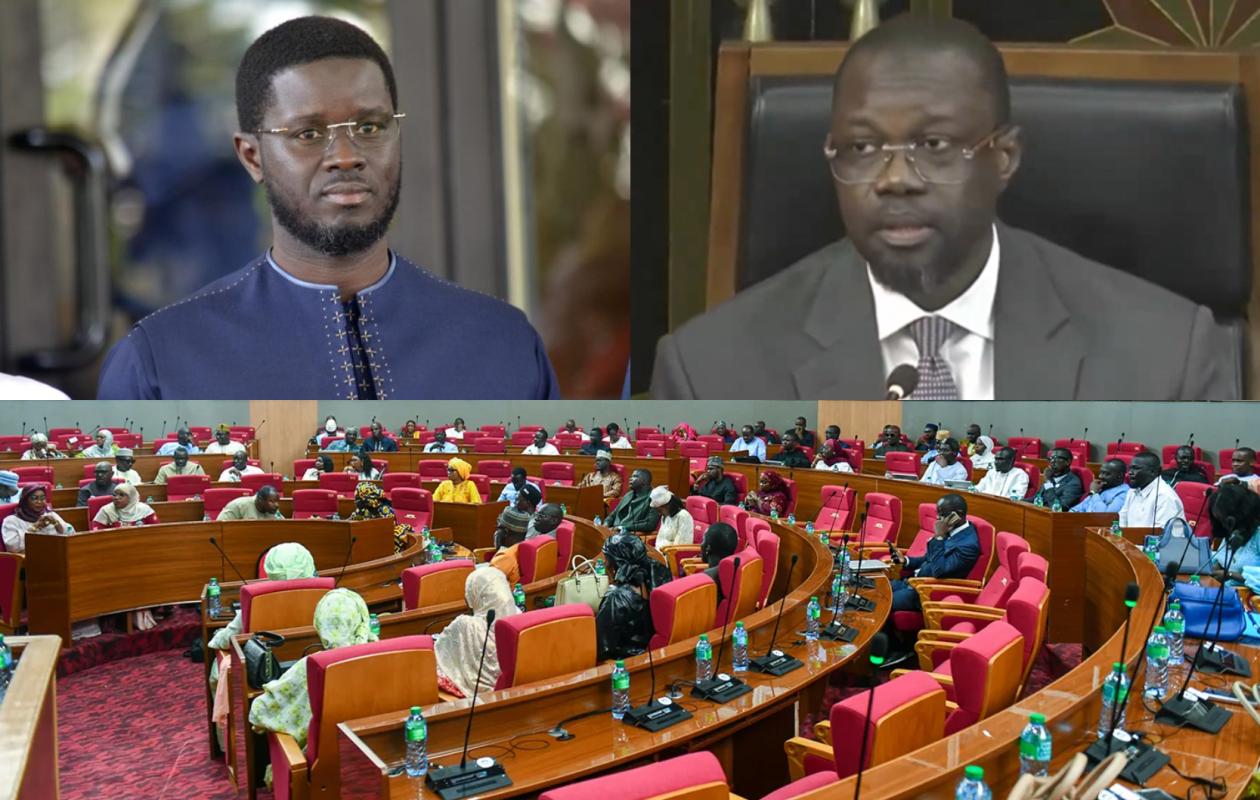
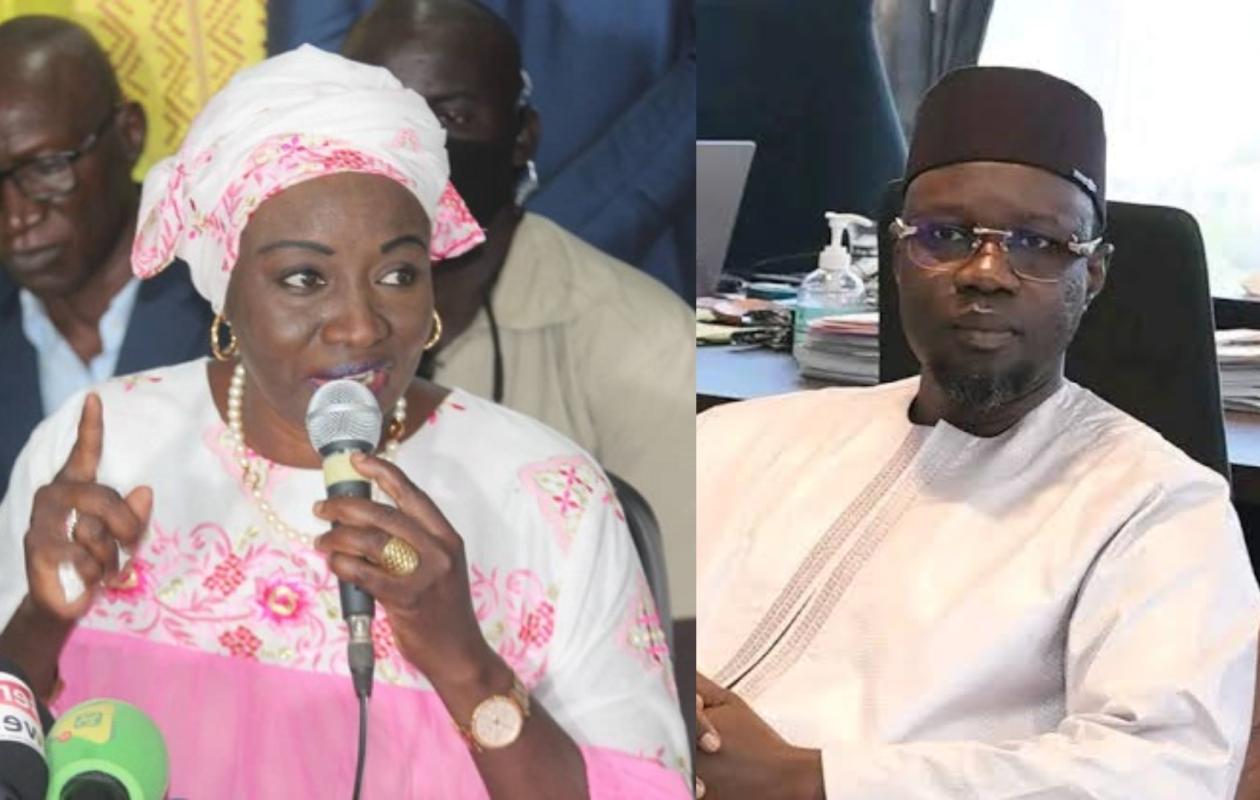
This, in my opinion, is where the shift begins. The partnership begins to fracture, and then the break becomes political. Ousmane Sonko fully resumes leadership of Pastef and its majority, while Bassirou Diomaye Faye creates his own party and seeks to build his own political base. The issue then transcends the two men, as the stability of the country is at stake. Dialogue between the executive branch and a National Assembly dominated by Pastef appears to have broken down significantly. When procedures become instruments of power struggles between former allies, the very functioning of our institutions risks being weakened.
And so the old world springs back to life. The dust-covered dance can begin again: calculations resume, loyalties shift, ambitions reawaken, and those who had prudently taken refuge after the change of power gradually emerge from their hiding places. Everyone seeks their side, their interest, and their place in the new order.
This also affects a segment of our business community. The government promises to make it the engine of wealth creation and to clear a considerable domestic debt, while its financial resources are extremely limited. Legitimate debts must obviously be paid, but after what we have discovered about our public finances, this debt must be rigorously audited. At the same time, we are seeing the resurgence of this old temptation to seek close ties with those in power, often at the expense of the independence that the private sector needs to sustainably defend its interests. When will we have a strong, united, and independent business community, capable of building a healthy national economy with the government? Because defending the common good also means ensuring one's own survival.
All of this comes at the worst possible time. Senegal is facing a considerable debt and embarking on an economic recovery that will require difficult choices. The very word "recovery" is not insignificant. Our country has already experienced structural adjustment policies and their sacrifices, the economic and social consequences of which have left a lasting mark. This history should remind us that behind budgetary balances lie purchasing power, jobs, businesses, families, and sometimes an entire generation that bears the brunt of the consequences.
This is precisely where our relationship with the IMF intersects with the political question. The agreement reached at the staff level covers a 36-month program of approximately $2.2 billion and remains subject to Executive Board approval. It notably includes increased domestic resource mobilization, spending rationalization, restoring debt sustainability, and more private-sector-led growth, while also announcing the strengthening of social safety nets. But such a program cannot be achieved simply with billions of dollars, ratios, and Excel spreadsheets. It must be understood and accepted by those who will ultimately bear the brunt of its impact.
However, the political configuration that brought Bassirou Diomaye Faye to power no longer exists. His constitutional legitimacy is not in question: he was elected in 2024. But this victory was achieved under exceptional circumstances, driven by Pastef, Ousmane Sonko, and the slogan that then encapsulated the unity of the project: Diomaye mooy Sonko. Today, institutional legitimacy resides in the Presidential Palace, while the political force that brought about the break with the past remains organized around Pastef and its president. By creating his own party, Diomaye must now build and democratically demonstrate his own popular support.
Asking for further sacrifices from a population that remembers past adjustments requires trust and the conviction that the efforts will be necessary, fair, and equitably distributed. This reality is also of interest to investors. They don't just look at debt, deficits, or growth prospects; they observe institutional stability, the predictability of public decisions, the social climate, and a government's ability to sustainably implement its reforms. No lender can guarantee political stability, and no IMF can give a president the trust of his people.
This is why the debate surrounding the upcoming local elections is of particular importance. Electoral deadlines cannot become a matter of political expediency. The Minister of the Interior has stated that the President of the Republic is still within the timeframe stipulated by the Electoral Code to set the date for the 2027 territorial elections. This does not diminish the need for clarity. In the current context, it is incumbent upon the government to remove any ambiguity and establish a timetable that leaves no room for any suspicion of political maneuvering. For electoral deadlines belong neither to the President of the Republic, nor to the government, nor to any political party: they belong to the Republic.
This, ultimately, is what is worrying. We started with immense popular hope, paid for at a high price, only to find ourselves with a struggling economy, mounting debt, a fractured state leadership, and the reappearance of old political and economic reflexes. Taken individually, each of these phenomena can be explained. Taken together, they paint a picture of a political and economic situation that we would be wrong to downplay.
The dead, the wounded, the prisoners, and all those who made sacrifices did not do all this so that the promised break with the past would end in a power struggle. It was meant to change our way of governing, our relationship with the state, with justice, with public funds, and with accountability. Fortunately, one thing remains constant: the Senegalese people. Those who resisted, punished, and imposed this change of power are still here. They watch, they listen, and they will judge. Powers come and go, systems eventually falter, but the people remain. And the final word belongs to them.
Abdoulaye Dieng, Entrepreneur









Commentaires (6)
Ce n'est plus de la malhonnêteté. C'est une provocation.
Il faut comprendre que la compréhension du monde c'est la vue des faits et leurs lectures. Et c'est dans leurs lectures que le système brouille les pistes par l'usage des médias. Au Burkina la révolution est née avec Sankara. Le système a utilisé son meilleur ami pour l'assassiner. Et bien sûr le système a lancé dans les médias que la révolution était dû populisme, que le peuple a besoin de liberté, que la France est indispensable, etc. C'était une mauvaise lecture. La bonne c'est de comprendre que la révolution menace des privilèges. Et pour rien au monde les privilegiés n'accepteront de facilement perdre. Et jusqu'à ce jour la révolution Burkina fait face à une résistance à la révolution sous forme de terrorisme djihadiste. Mais les burkinabé ont compris et poursuivent leur révolution.
Le peuple dans sa majorité a joué sa partition.
PASTEF avait vendu la rupture avec un programme très clair mais la montagne a accouché d'une souris a cause d'ambitions personnelles.
C'est le Sénégal qui a perdu et on aura plus jamais l'occasion de faire cette rupture.
Le système machiavélique a gagné la partie et c'est dommage.
Des fissures jaillira la lumiere, comme disait l artiste canadien.
Ya deja un acquis!!!
Participer à la Discussion
Règles de la communauté
💡 Astuce : Utilisez des emojis depuis votre téléphone ou le module emoji ci-dessous. Cliquez sur GIF pour ajouter un GIF animé. Collez un lien X/Twitter, TikTok ou Instagram pour l'afficher automatiquement.
Se connecter
Commentez avec votre profil, votre photo, et soyez averti des réponses.