
SENEGAL : ENTRE URGENCE SOCIALE ET RIGUEUR BUDGÉTAIRE, LA DÉLICATE MISSION D’AHMADOU Al AMINOU MOHAMED LO (Par Pr Amath NDIAYE)
Between negotiations with the IMF, restoring investor confidence, controlling deficits and responding to the daily concerns of households, the new Prime Minister inherits one of the most complex missions in Senegal's recent economic history.
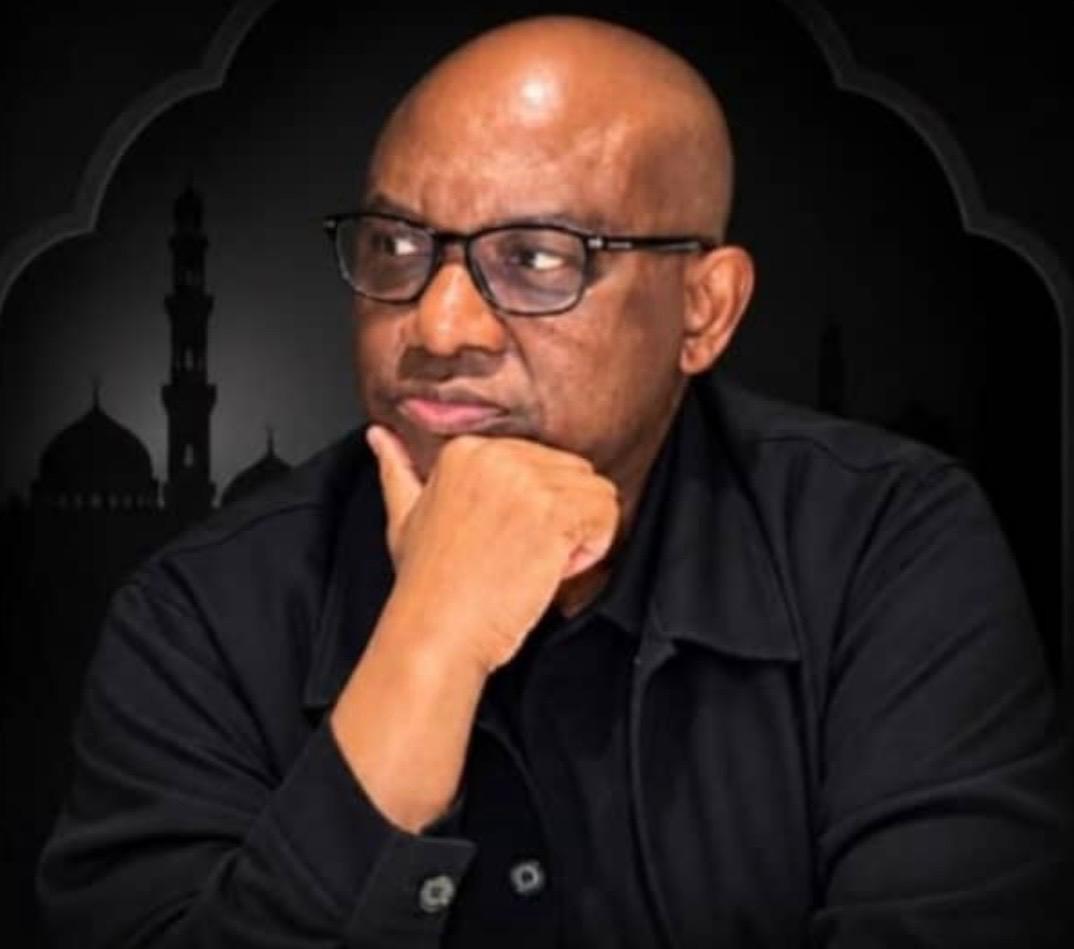
The appointment of Ahmadou Al Aminou Mohamed Lo as head of government comes at a crucial moment for the Senegalese economy. Rarely has a Prime Minister taken office in such a demanding context, marked by a crisis of financial confidence, severe budgetary constraints, and high social expectations.
Beyond the change in the government team, this appointment can be interpreted as a desire to shift the economic perspective after a period marked by disappointing results on several fronts. Rising unemployment, difficulties in selling vegetable produce, problems marketing peanuts, the continued erosion of the country's financial credibility, and the sharp slowdown in growth have progressively weakened the national economic outlook.
Current forecasts now suggest a growth rate of between 2.2% and 2.5% in 2026, a level far from sufficient to meet the employment needs of a young and dynamic population. At the same time, managing public debt has become increasingly costly and risky, reducing the government's fiscal flexibility.
It is in this context that the new Prime Minister is called upon to lead a delicate phase of economic recovery.
The advantage of experience and credibility
The choice of Ahmadou Al Aminou Mohamed Lo appears to be one of competence and experience. Former National Director of the BCEAO for Senegal, former minister and senior official recognized for his mastery of economic, monetary and financial issues, he enjoys rare credibility with both national stakeholders and international partners.
His career commands respect. In financial circles, he is seen as a man of dialogue, capable of reconciling technical rigor with a sense of the common good. This reputation is now a valuable asset for restoring the confidence of investors, development partners, and financial markets.
Reconciling social urgency and budgetary discipline
The main difficulty lies in the need to simultaneously respond to two imperatives that may seem contradictory.
On the one hand, public finances demand corrective measures. The debt burden, the rapid increase in interest payments, and financing difficulties necessitate more rigorous budgetary management. Certain decisions, particularly regarding energy subsidies, will likely no longer be able to be postponed.
On the other hand, the country faces major social emergencies: high cost of living, persistent unemployment, union demands and strong expectations for improved public services.
The challenge is therefore not to choose between budgetary rigor and social justice, but to find a way to reconcile them.
The exemplary nature of the State as a prerequisite
The acceptance of reforms will largely depend on the state's ability to lead by example.
While the gradual adjustment of energy prices now appears difficult to avoid, it is essential to quickly implement visible measures to reduce the state's standard of living.
Symbolic but significant reductions in the salaries, allowances and benefits granted to the highest public officials — members of government, members of parliament, heads of agencies and public companies — would send a strong signal to citizens.
The objective is not solely budgetary. It is primarily about demonstrating that the sacrifices asked of the population are shared by all.
In a time of budgetary constraints, the principle that should guide public action is simple: more effort for the wealthiest and more solidarity for the most vulnerable. Those with the highest incomes and the greatest benefits must contribute more to the national effort, while the most vulnerable populations must be protected from the harshest consequences of adjustment. Only then can the necessary reforms be perceived as fair and gain sufficient public support.
Restoring confidence and reviving growth
The central question remains that of restoring confidence.
Senegal needs to reassure financial markets, reconnect with its technical and financial partners, find a credible agreement with the IMF and gradually improve its sovereign rating.
These objectives are not an end in themselves. They are essential to reduce the cost of financing the economy, attract more private investment, and recreate the conditions for strong and sustainable growth.
Restoring financial credibility should therefore be seen as an instrument at the service of economic and social development.
Towards a national pact for economic recovery
The complexity of current challenges transcends traditional political divides.
Between the demands of budgetary recovery, the need to preserve social cohesion and the ambition to revive the economy, no lasting solution can be found without a minimum of national consensus.
Opening a broad dialogue involving trade unions, employers, civil society, academics and political forces appears desirable in order to build a shared recovery path.
The success of the reforms will depend as much on their economic relevance as on their social acceptability.
Time for decisions
The new Prime Minister does not have the luxury of time. The challenges are considerable, but the opportunities are there.
Senegal possesses significant assets: a diversified economy, new energy resources, a strategic geographic location, and a high-quality human capital. However, it is essential to quickly restore confidence and put the economy back on a credible path.
Ahmadou Al Aminou Mohamed Lo's mission now consists of achieving this delicate balance between budgetary discipline and social justice, between economic reforms and political stability.
Now more than ever, Senegal needs a genuine national pact for economic recovery based on responsibility, solidarity, efficiency, and dialogue. Only then can the country achieve strong, sustainable, and job-creating growth.
Professor Amath Ndiaye
FASEG-UCAD




















Commentaires (0)
Participer à la Discussion
Règles de la communauté
💡 Astuce : Utilisez des emojis depuis votre téléphone ou le module emoji ci-dessous. Cliquez sur GIF pour ajouter un GIF animé. Collez un lien X/Twitter, TikTok ou Instagram pour l'afficher automatiquement.
Se connecter
Commentez avec votre profil, votre photo, et soyez averti des réponses.