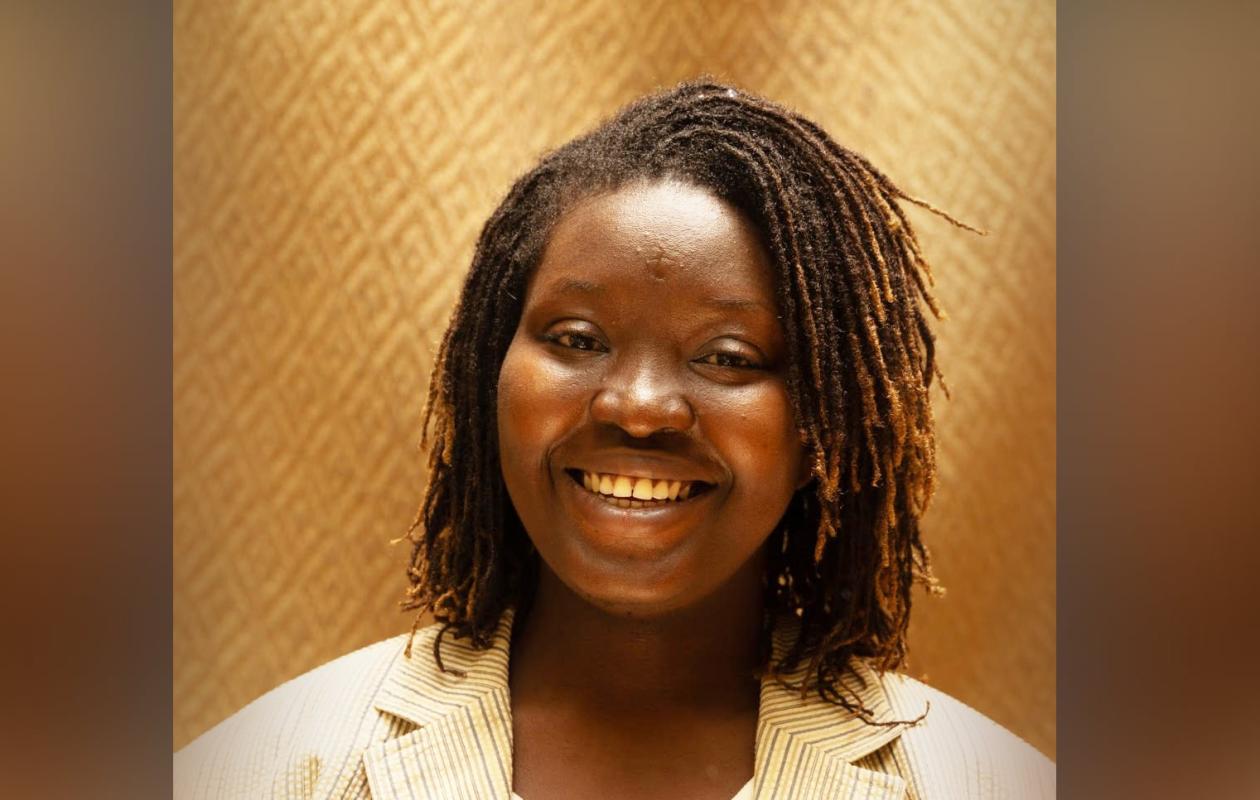
ENTRETIEN : Fatouma Zahra, l’icône féminine du karaoké africain, à coeur ouvert
Karaoke is playing an increasingly prominent role in leisure activities, parties, and social gatherings across Africa. Beyond the simple pleasure of singing, it represents a means of sharing, artistic expression, and celebrating the music that resonates throughout the continent. In many African countries, music accompanies life's major milestones: weddings, birthdays, family reunions, popular festivals, and evenings with friends. Karaoke naturally fits into this tradition, where singing brings generations together, evokes emotions, and strengthens social bonds. It was in this context that Seneweb met with Fatouma Zahra, a cultural promoter, artist, decorator, and one of the leading organizers of the karaoke concept in Africa. In this interview, she discusses the importance of karaoke, its origins, and its implications in the lead-up to the major cultural event scheduled for November 7th.
Introduce yourself!
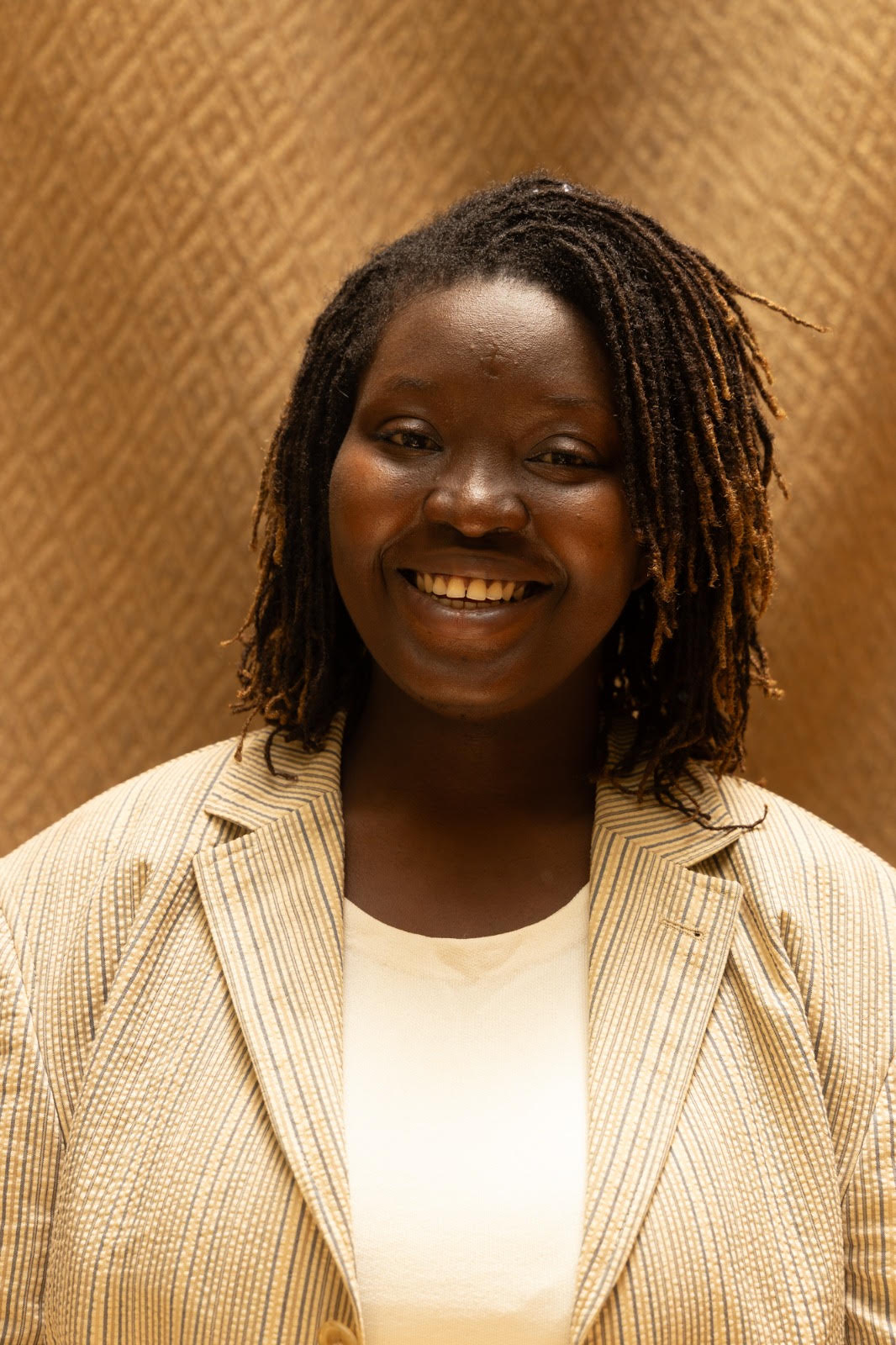
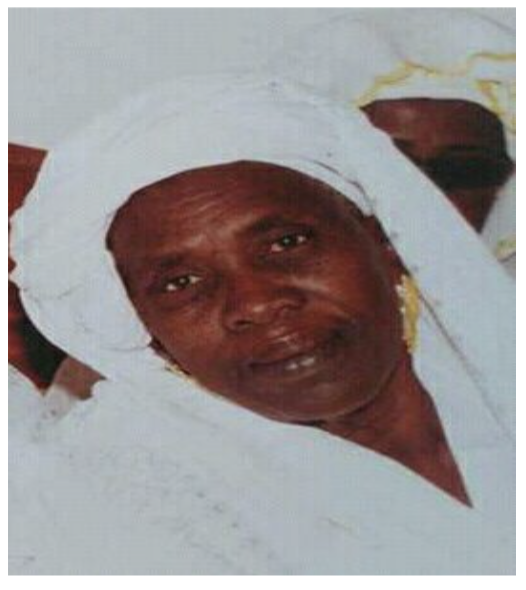
I am Traoré Fatouma Zahra, a cultural promoter and entrepreneur. I am passionate about culture, events, and communication, and I am the creator of the 100% Retro Karaoke concept, which has become a key cultural event on the African cultural scene.
2) What is the concept of Karaoke?
Karaoke is a musical activity that allows everyone to sing along to an instrumental version of a song, usually following the lyrics displayed on a screen. But for us, 100% Retro Karaoke goes far beyond this definition. It's a new way to celebrate retro music, far removed from traditional concepts, showcasing retro music through singing. It's an event concept that highlights songs that have marked different generations: African classics, Mandinka hits, retro zouk, and many other sounds that shaped our childhood and youth. The idea is to allow the audience not only to listen to the music, but also to experience it, sing along, and share their emotions with others in a festive and friendly atmosphere.
Why is karaoke so prevalent in entertainment circles today?
I don't think karaoke is a very popular form of entertainment, especially in Guinea. It's usually a secondary activity, often only seen in restaurants. So we wanted to make it a popular and entertaining concept. I think karaoke fulfills a real need: the need to have experiences rather than simply watching shows .
Karaoke allows everyone to be part of the event, whether they're an excellent singer or simply someone who enjoys singing for fun. It's also an activity that brings together different kinds of people, regardless of vocal ability, and easily creates a friendly atmosphere among participants. For me, its success rests on three elements: participation, emotion, and sharing.
What motivated you to develop this concept?
What prompted me to launch this concept was, above all, the desire to create something original, which would allow people to come together around a common passion: music.
I've noticed that some songs transcend time and continue to evoke the same emotions, even years after their release. The goal, therefore, was to celebrate retro music in a different way, far removed from traditional concepts. I wanted to create a space where these memories could be rekindled, where generations could connect, and where everyone would have the opportunity to get on stage and experience their own moment.
Is karaoke simply about remembering old songs? Doesn't it have an impact on artists of the new generation?
No, I don't think karaoke is just about old songs. In the case of our concept, we chose retro because these songs have a history, an emotional value, and a special place in our musical heritage. But that absolutely doesn't mean we're against the new generation. On the contrary, we believe that every generation has something to contribute to music. Yesterday's artists inspired today's, and current artists will build tomorrow's musical benchmarks. It's therefore important to preserve this heritage while remaining open to new trends. Moreover, we can easily envision bridges between generations by inviting young artists to participate in our events or allowing them to revisit certain classics. Retro shouldn't be seen as opposed to new music, but as a musical memory that new generations can draw upon to create.
What is the main objective of organizing a karaoke night?
The main objective is to create a space for entertainment, meeting, and sharing through music. But behind this objective lie several ambitions. We want to encourage African artists (in their national languages) to write their own songs by creating their own lyrics. Unfortunately, today, songs in local African languages don't have lyrics on music platforms, which forces us to sing from memory.
Above all, we want to celebrate our musical heritage, revive classic songs, foster intergenerational exchange, and offer the public an experience where everyone can find their place. We also want to showcase the talents of the audience. Sometimes, people have a true passion for singing but have never had the opportunity to perform on stage. Karaoke offers them this chance in a friendly atmosphere, without the pressure of a professional competition. Finally, through 100% Retro Karaoke, we hope to develop a sustainable event concept in Guinea, capable of uniting a community and becoming a much-anticipated event for the public.
In summary, we organize karaoke to bring people together, keep the music alive, and transform simple songs into unforgettable memories.
Your final word?
Thanks to Seneweb and its entire management team. This initiative is aimed at all lovers of retro music and karaoke enthusiasts. We invite everyone, of all nationalities, to come and have fun, be entertained, and share a happy moment with us on November 7th at the Kipé pavement.
Interview by Alioune Badara Mané



















Commentaires (0)
Participer à la Discussion
Règles de la communauté
💡 Astuce : Utilisez des emojis depuis votre téléphone ou le module emoji ci-dessous. Cliquez sur GIF pour ajouter un GIF animé. Collez un lien X/Twitter, TikTok ou Instagram pour l'afficher automatiquement.
Se connecter
Commentez avec votre profil, votre photo, et soyez averti des réponses.