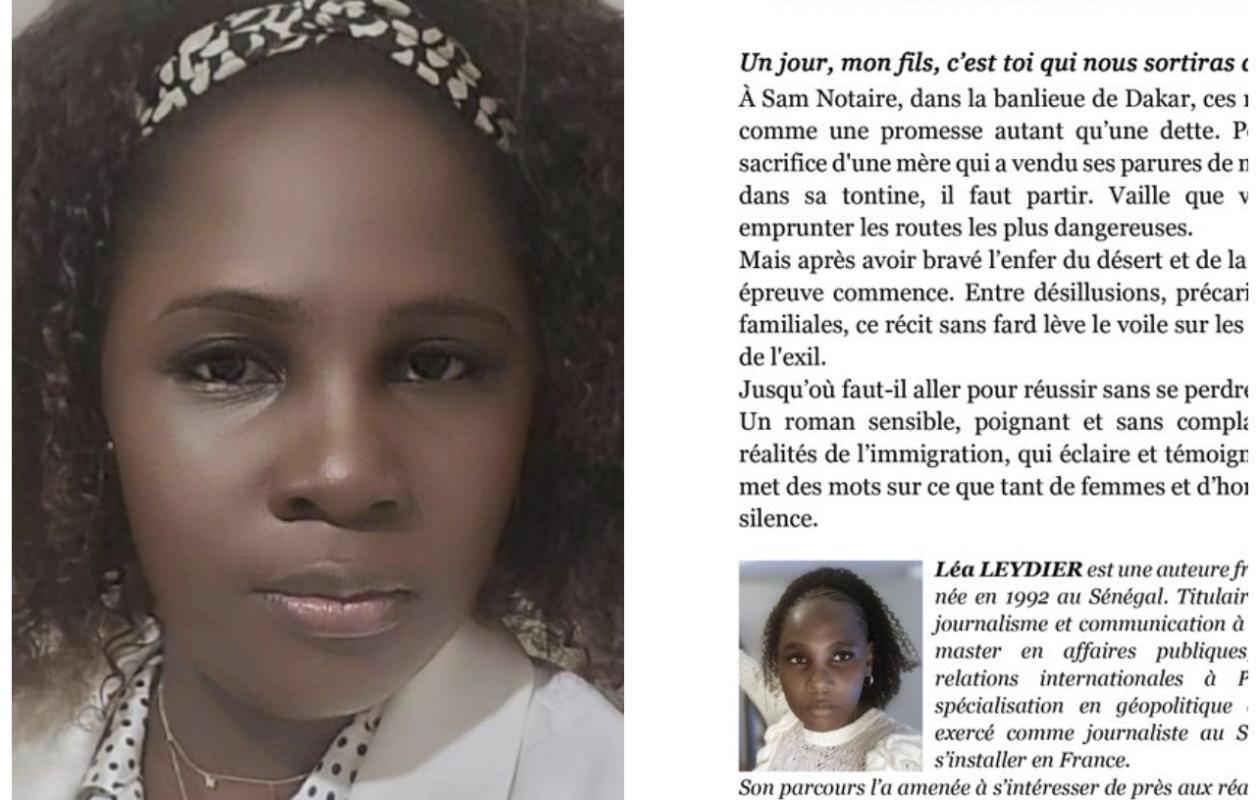
Léa Leydier : « Les candidats à l'émigration portent le poids de dettes morales envers leurs proches »
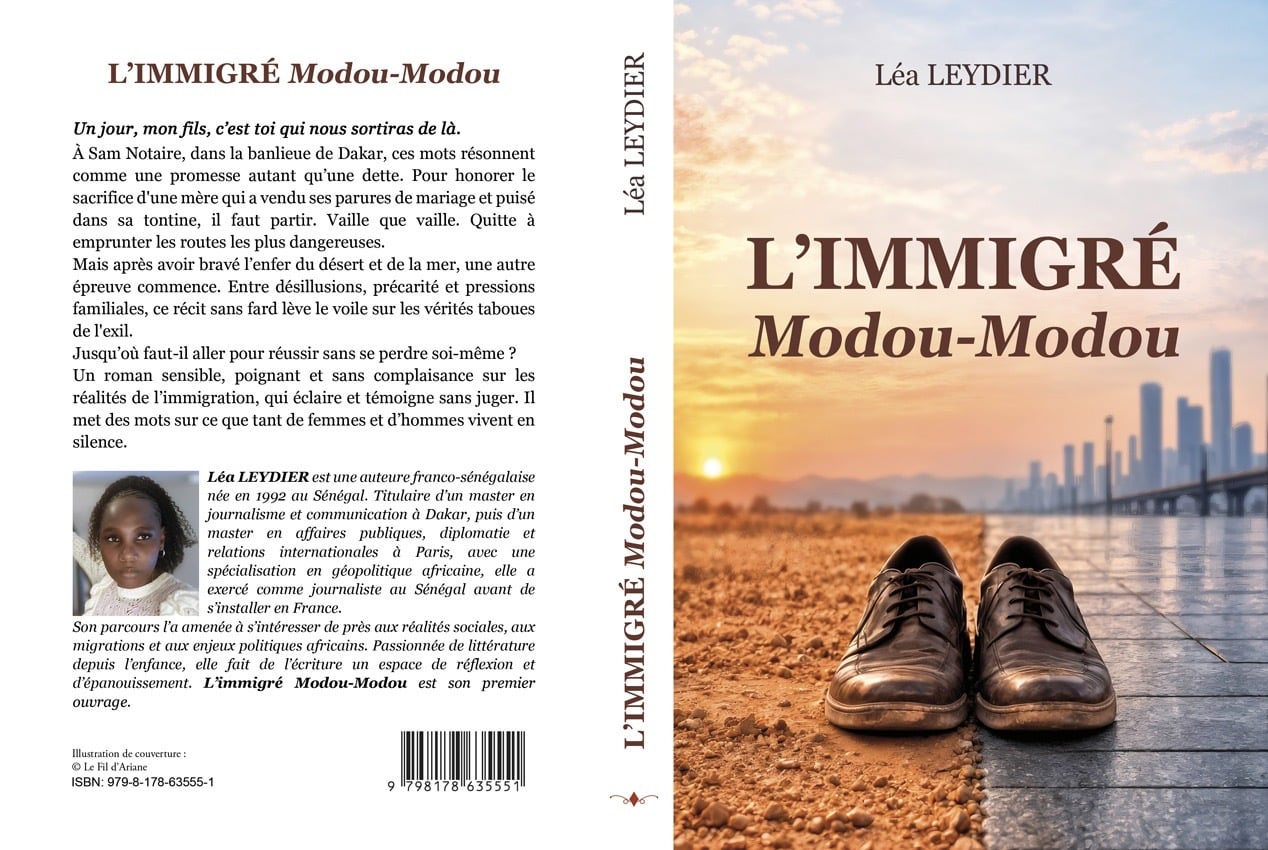
In her debut novel, *L'immigré Modou-modou* (The Modou-Modou Immigrant), Franco-Senegalese journalist and author Léa Leydier offers an uncompromising look at the harsh realities of undocumented immigration. From the working-class neighborhood of Sam Notaire in Guédiawaye to the challenges of integration in Europe, by way of the tragedy of the Maghreb transit route and the weight of family sacrifices, the writer dissects the mechanisms of a contemporary human drama. An encounter with a committed writer.
Your book , L'immigré Modou-modou, tackles the issue of migration head-on. Why did you choose this theme for your first book?
I chose this topic because of the sensitive nature of irregular migration on an international scale. Faced with the divergence of political discourse, often detrimental to the populations concerned, I wanted to present a factual and impartial account. My goal is to offer the reader an objective perspective, thus enabling them to form their own independent opinions.
You specifically mention the sacrifice of parents who sometimes sell their possessions to finance their children's trip. Is there an underlying social pressure?
There is undeniable social pressure. Although regrettable, it is important to be clear-sighted about this societal reality where children bear the weight of implicit moral debts towards their parents.
Can you tell us more about the socio-economic pressure in Senegal described in the book?
The story follows the journey of a young man from Sam Notaire, in Guédiawaye, who grew up in a precarious environment marked by the weight of social prejudice. Faced with this constant pressure, his mother sacrificed her personal possessions and her savings from a tontine (a type of savings and loan association) to finance his departure, in the hope of a better future. This migration project responded to a vital need for emancipation from the feeling of oppression he experienced in his community of origin.
Emigration is often discussed by analysts who don't fully understand all its intricacies. In your opinion, what is essential to understand from your story?
My character was deeply affected by the atrocities he witnessed from the very night he left his mother to begin this journey. Some North African countries view individuals transiting through their territory as slaves. This young man finds himself confronted with a reality one thought confined to history books. He struggles to comprehend how, in the 21st century, such suffering can be ignored by the rest of the world.
Did you intend to propose concrete solutions in this work?
It is essential to emphasize that this novel offers an in-depth analysis of the pressures exerted by a sometimes hypocritical society, as well as the perception of immigrants by their compatriots upon their departure and return home. This narrative illustrates the suffering caused by devastating remarks and persistent trauma. In Europe, migrants face culture shock, a bureaucracy reluctant to grant regularization, and political manipulation as scapegoats. While integration proves complex, it remains essential, forcing immigrants to overcome racial stereotypes and prejudices. Regarding proposed policy measures, I will refrain from making premature recommendations. When the time comes, I will collaborate closely with the relevant authorities to promote concrete actions for young people.
As you yourself come from an immigrant background, does this work contain an autobiographical element?
This book recounts experiences lived by various individuals around the world. It is a work of researched fiction with no direct personal connection to my own experiences as an author.
Why did you choose to self-publish your first book?
I made the conscious choice of self-publishing in Africa, a personal approach that I fully stand by.
Where is your book currently available to readers?
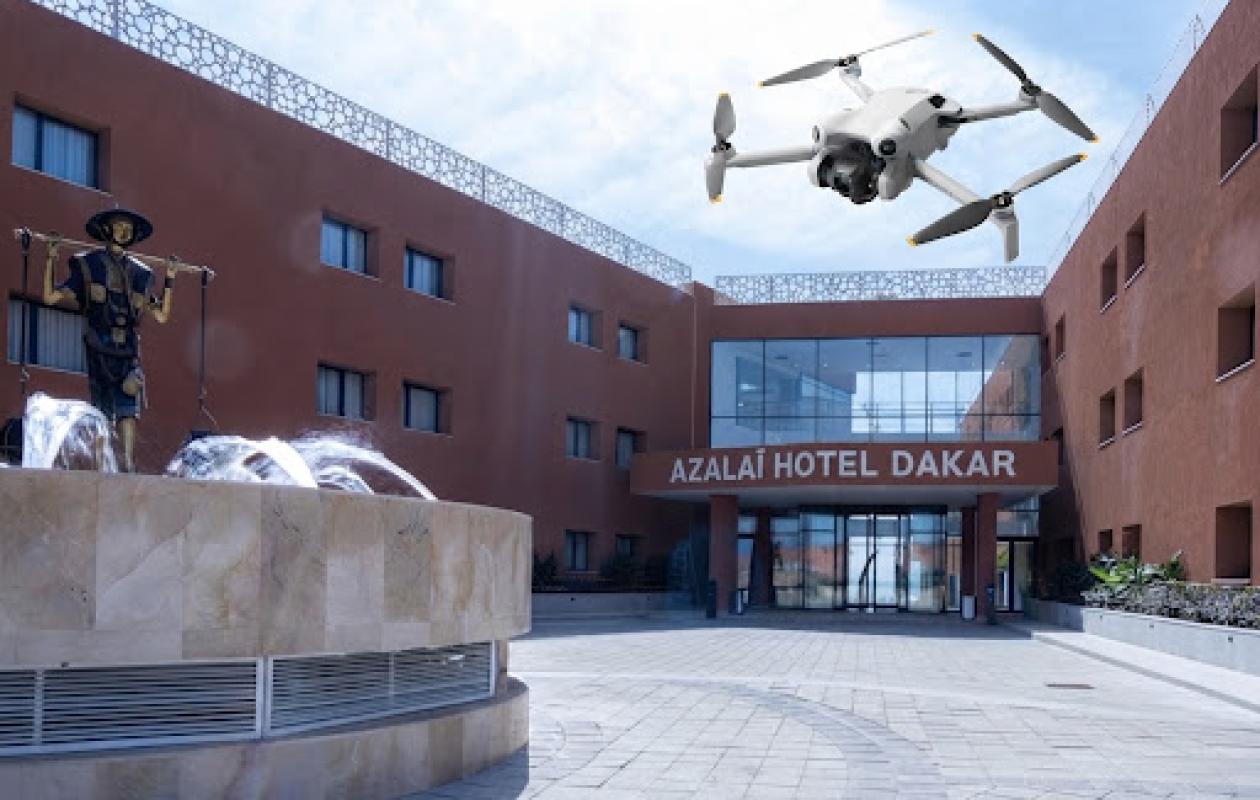
The book is widely distributed throughout Senegal thanks to the Moukat Distribution network. It is available from our partners, including Blaise Diagne International Airport, Dakar train station, Fnac, Aux 4 Vents, Plume du Monde, Alioune Diakhaté (Saint-Louis), and Omar Samb (Rufisque) bookstores, as well as the Azalaï and Terrou-Bi hotels, Total toll stations, and various cultural venues. Its availability in other countries of the sub-region is expected very soon.
You also intend to distribute the book within the Schengen Area. Why this approach?
As a French-Senegalese author, addressing the issue of migration within the Schengen Area is a logical step for me. The narrative, extending well beyond the African context alone, explores the journeys of individuals aspiring to settle in European Union countries. I foresee no obstacles to the success of this endeavor and remain confident that this book will be well received by the public.













Commentaires (1)
Je vous souhaite un grand succès pour la diffusion et la vente de votre ouvrage. Une version audio pourrait également être envisagée, car beaucoup de Sénégalais confrontés à cette situation sont, malheureusement, trop souvent illettrés.
Vous touchez une corde sensible dans notre société. Les critiques ne vous seront pas toujours favorables. Restez forte ; nous avons besoin de personnes comme vous !
Participer à la Discussion
Règles de la communauté
💡 Astuce : Utilisez des emojis depuis votre téléphone ou le module emoji ci-dessous. Cliquez sur GIF pour ajouter un GIF animé. Collez un lien X/Twitter, TikTok ou Instagram pour l'afficher automatiquement.
Se connecter
Commentez avec votre profil, votre photo, et soyez averti des réponses.