
Affaire Maciré Sylla et Précarité des artistes: La vérité choc de Saran Cissoko sur l'argent volé ou bloqué des légendes de la musique !
African legends too often face serious financial difficulties once they reach retirement. This is a very common phenomenon in West Africa, where many of its leading figures find themselves in alarming poverty due to numerous tangible factors.
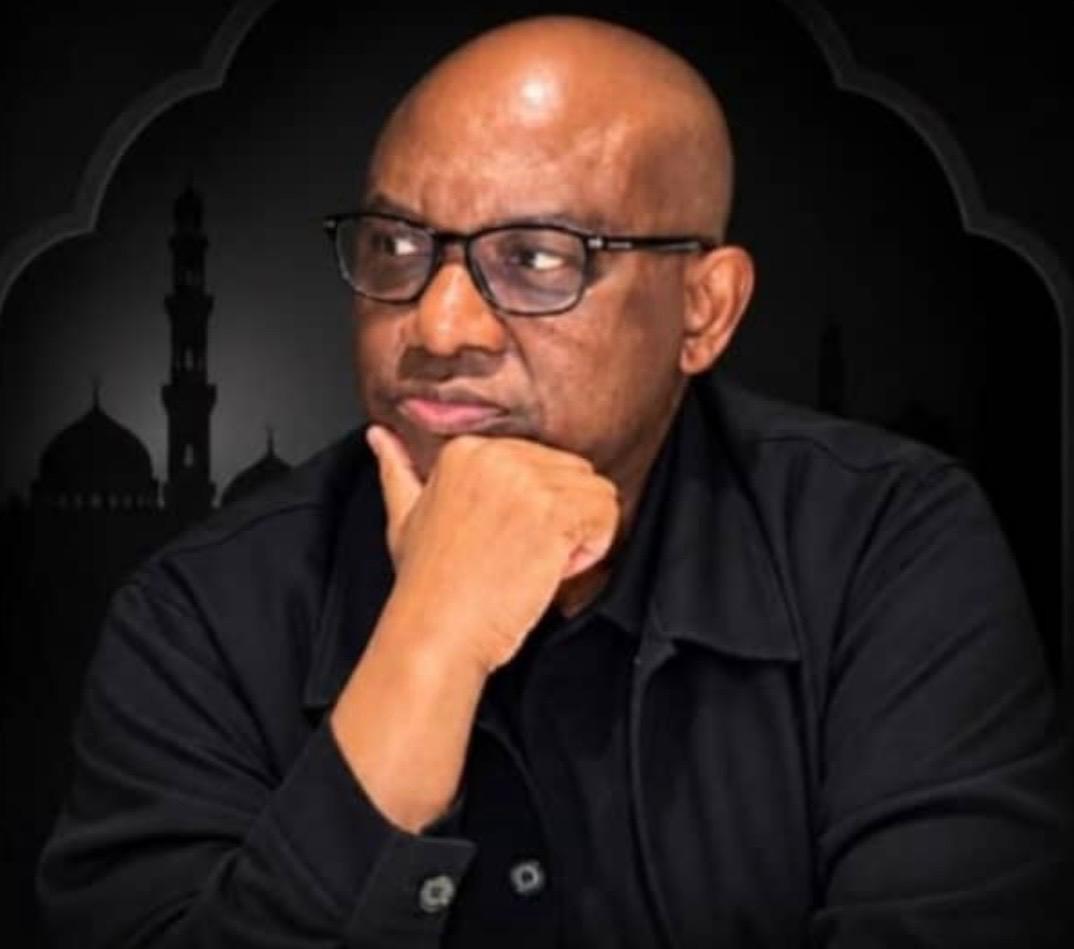
In this context, and in light of the recent case concerning Diva Maciré Sylla, Saran Cissoko — artistic direction consultant, specialist in the management of artists' rights and income, and CEO of Kumbati — analyzes the situation and proposes avenues for reflection to deal with this scourge.
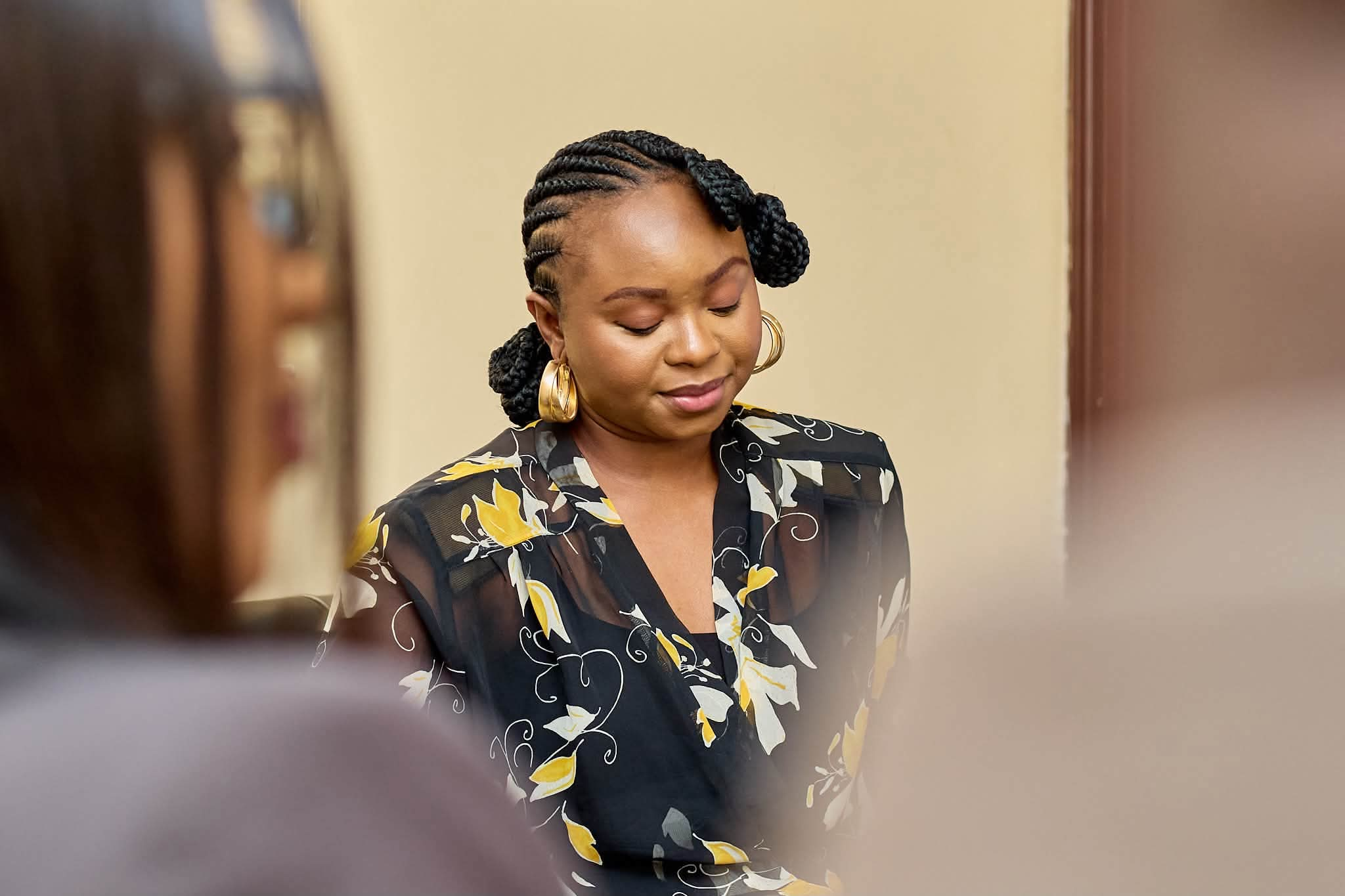
When an artist, with decades of career behind them, finds themselves in financial difficulty, are we able to know what their creations have earned, who received these sums, and whether all of their royalties have been paid to them?
This question doesn't only concern artists at the end of their careers. It's just as relevant for the new generation of talent who are currently racking up views, streams, and sold-out concerts, but who, upon closer inspection, receive very little, if anything, from what their music actually generates.
Listening success and economic success are two very different things, and the gap between the two runs through all generations: on one side, poorly maintained older catalogs; on the other, viral titles whose metadata has never been properly filled out.
A career does not only generate fees. Depending on their role — author, composer, performer, producer or holder of other rights — an artist receives income from multiple sources: copyright, neighboring rights, exploitation of recordings, digital distribution and licenses.
The WIPO (World Intellectual Property Organization) reminds us that individual management of these rights is often impossible, as an author cannot negotiate with every radio station that broadcasts their music. It is the role of collective management organizations to monitor these practices, negotiate, collect, and distribute royalties. Therefore, the question to ask an artist in difficulty is not only, "How can we help them?" but also, "Have we checked everything they are already owed?"
Tracing old farms quickly becomes an uphill battle: invalid addresses, contracts nowhere to be found, companies that have changed their structure. On the ground, this takes a very concrete form: a distributor who no longer sends statements, payments interrupted behind excuses of "technical problems" that are never resolved, or contacts who eventually become completely unreachable.
These aren't isolated cases; they're recurring patterns, catalog after catalog. We also need to talk about contracts: some agreements with producers or publishers are written in such a complex way that the artist only grasps their true implications years later. It's not systematic, but it's a very real risk when the artist signs their first contract alone or discovers, years later, something they never checked.
In my current work on the catalogues of several established African artists, I encounter daily the difficulty of tracing a long-standing administrative chain. Without drawing hasty conclusions about responsibility, one conviction is undeniable: it is far more difficult to recover revenues after several years than to ensure rigorous monitoring from the outset.
Intermediaries—producers, distributors, publishers—play a vital role and are not the adversaries of artists. But every actor involved in the exploitation of a work must be able to account for their activities: who is exploiting it, for how long, in which territories, and under what financial conditions.
WIPO also points out that in Africa, many disputes persist between artists and producers, and it supports several institutions in setting up appropriate mediation mechanisms.
Collective management organizations also play a pivotal role: precisely identifying works and their rights holders, collecting and distributing royalties. The stakes are far from marginal: according to the CISAC Global Collections Report 2025 , €13.97 billion was paid to creators worldwide in 2024, including €90 million in Africa (+14.2%).
The financial flows are therefore real; our mission is to guarantee creators, both beginners and established, full transparency on what they are entitled to.
But it would be too simplistic to place the entire burden on intermediaries alone. Artists and their managers also bear some responsibility: a contract signed and then forgotten, a work published without metadata, a manager replaced without a transfer of access, statements never claimed... ten years later, everything remains to be pieced together.
The role of a manager must evolve: it's no longer enough to negotiate a fee; you must know how to organize—or delegate—the management of contracts, rights, and financial flows. Educating yourself about your own rights and surrounding yourself with competent professionals is no longer optional.
Solidarity remains necessary in the face of an emergency; however, it must not replace the legal and financial protection of rights. The real problem is structural: intermediaries identifiable on paper, but untraceable in practice—veritable “phantom distributors,” present in the contracts but absent when it comes to accountability.

Before asking what help to give to an established artist, or before celebrating the viral success of a young talent without asking what he really gets out of it, we should be able to establish a real asset diagnosis: which works, which rights, which active operators, and which sums potentially blocked.
We need to teach our artists how to fish rather than waiting until they're hungry to give them fish. This requires a transparent and accessible chain bringing together artists, managers, producers, distributors, collective management organizations, lawyers, and public authorities, so that the work of each artist, yesterday as today, continues to generate what is rightfully theirs.
WIPO , Collective Management of Copyright and Related Rights
. WIPO , WIPO ADR for Digital Copyright and Content Disputes
. WIPO , Alternative Dispute Resolution – A Game-Changer for Copyright and Entertainment Disputes in Africa
. CISAC , Global Collections Report 2025
Interview by Alioune Badara MANÉ













Commentaires (3)
Participer à la Discussion
Règles de la communauté
💡 Astuce : Utilisez des emojis depuis votre téléphone ou le module emoji ci-dessous. Cliquez sur GIF pour ajouter un GIF animé. Collez un lien X/Twitter, TikTok ou Instagram pour l'afficher automatiquement.
Se connecter
Commentez avec votre profil, votre photo, et soyez averti des réponses.