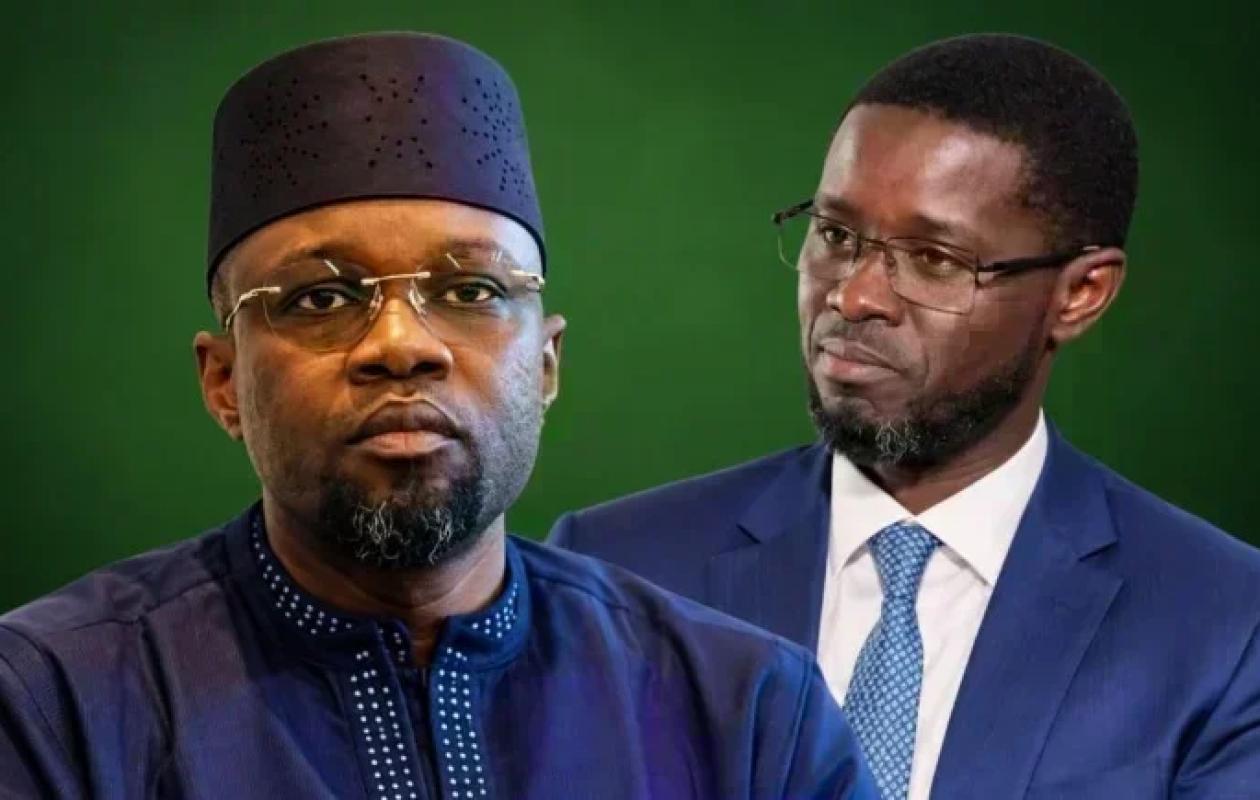
Bras de fer Pastef - Gouvernement autour du PLFR : les Principaux chiffres du "clash"
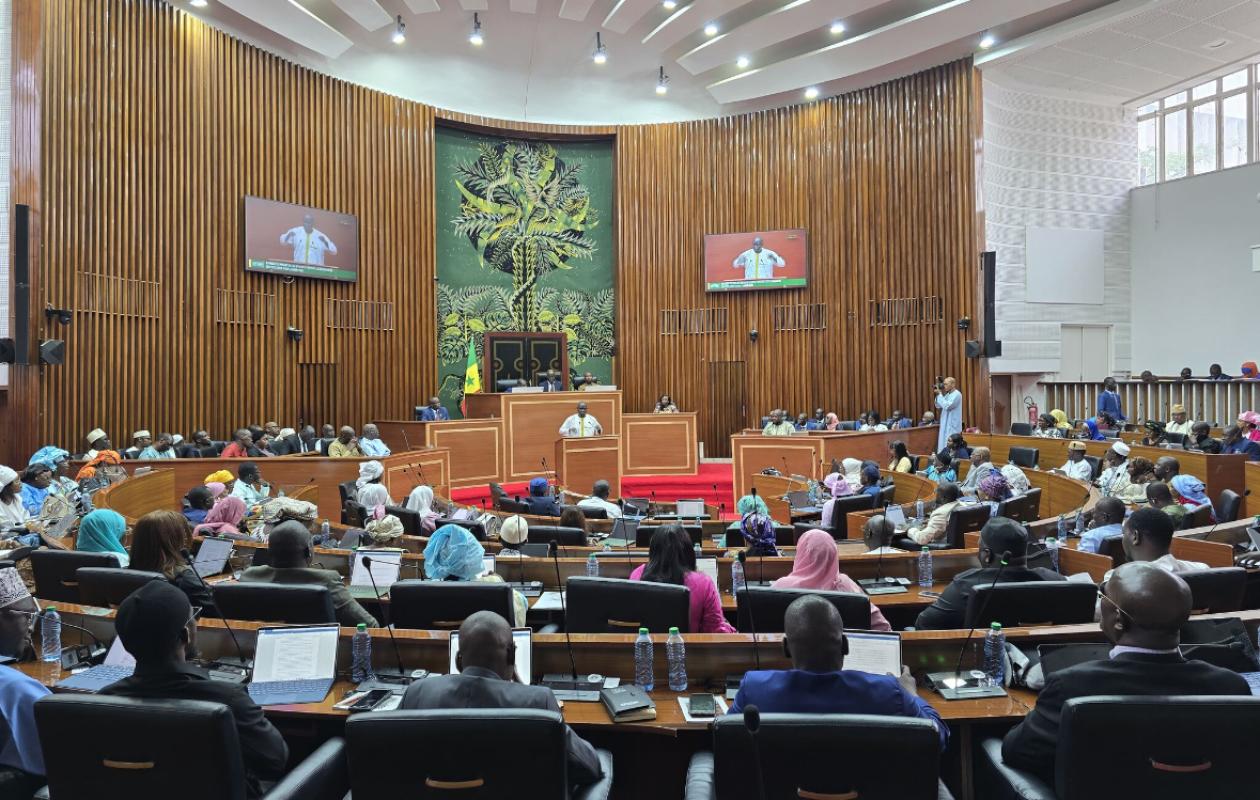
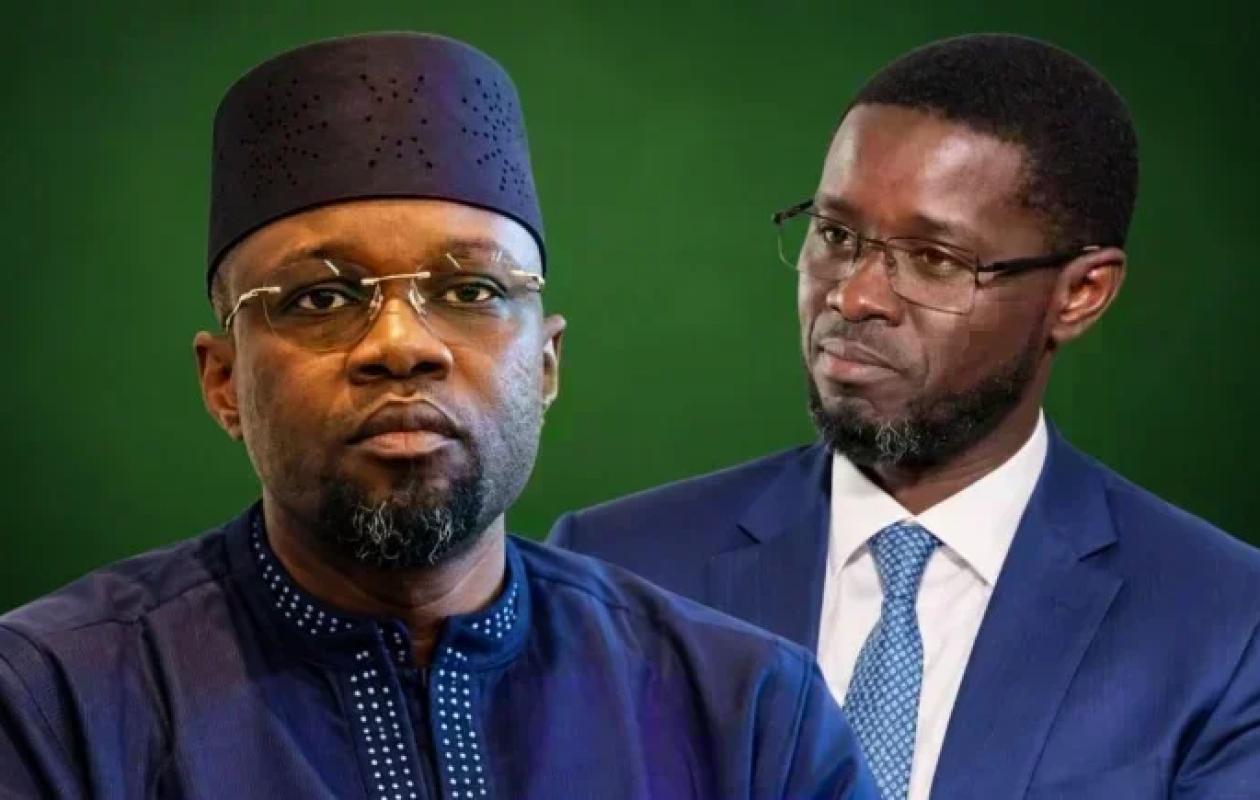
A decisive day for the 2026 supplementary budget bill. Rejected twice in committee following opposition from the Pastef parliamentary majority, the text will be examined this Tuesday in plenary session at the National Assembly. The session promises to be tense, as the Executive and the majority are deeply divided on several points.
The government put forward three developments which, according to it, called into question the assumptions of the initial finance law (LFI) and made it necessary to adopt a PLFR: the downward revision of growth, from 5% to 2.7% for 2026, the increase in energy subsidies in the context of the crisis in the Middle East, as well as the losses recorded within the framework of the Economic and Social Recovery Plan (PRES).
But behind these explanations lie several points of contention. From investment cuts to energy subsidies, via social spending, the PRES (Pôle de Recherche et d'Évaluation des Sociétés) and the rationalization of the parapublic sector, the two sides put forward figures and interpretations that are sometimes contradictory.
555 billion in investment cuts
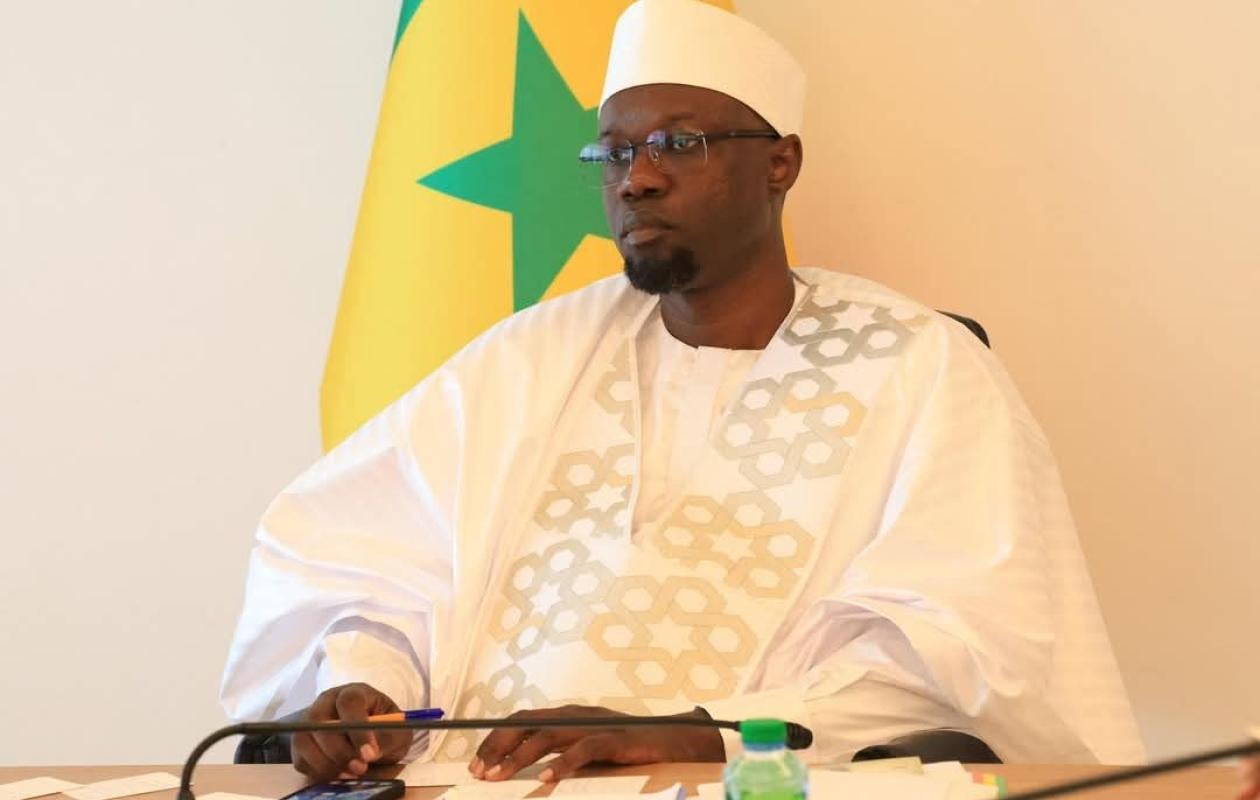
The cuts made to investment spending are at the top of the list of points of contention. Ousmane Sonko criticizes the government for reducing investment funds even as it presents the economic recovery as a priority.
Also read: "The supplementary budget bill is rejected again in committee: Pastef explains the reasons"
"They justify the measures they are taking by the need to free up budgetary space to be reinvested in order to revive the economy. How can they tell us that and then cut investment by 555 billion in the supplementary budget bill? That means it's false," the president of the National Assembly asserted on October 19.
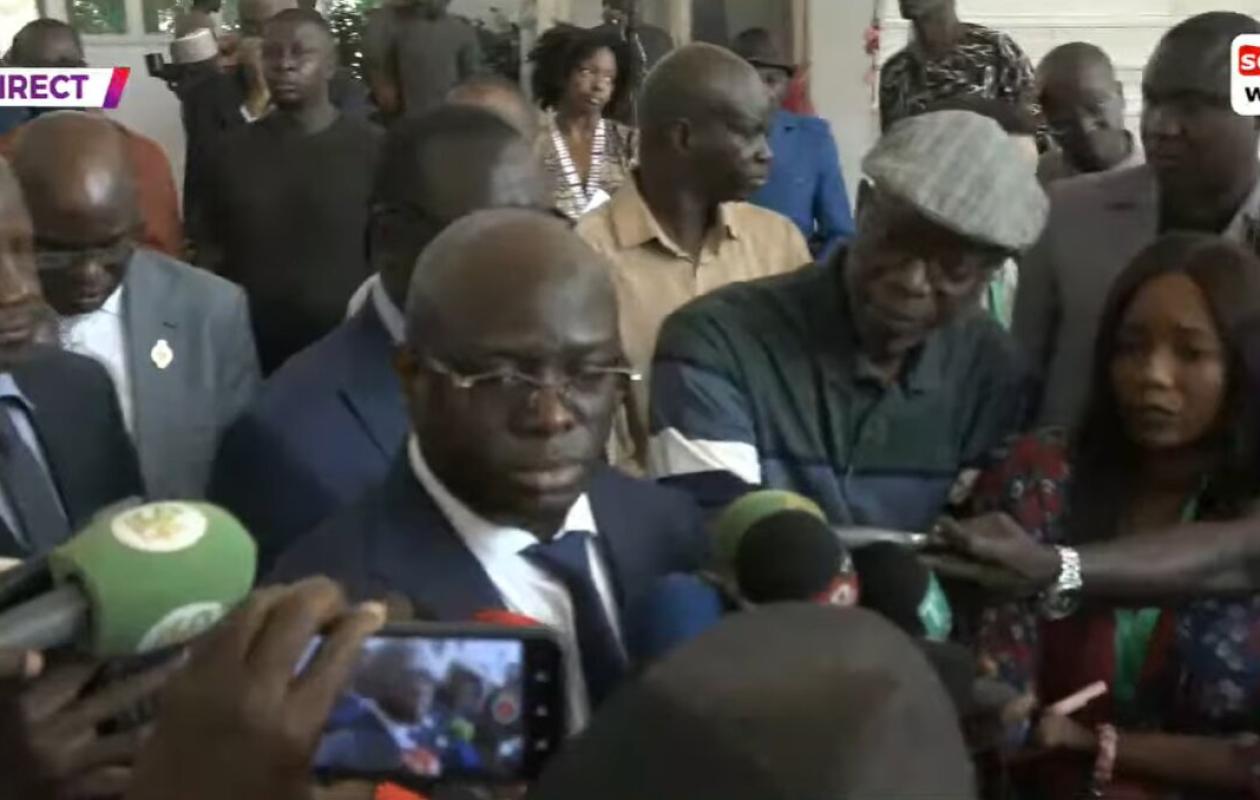
Speaking to the press on October 24, Prime Minister Al Aminou Lô defended the government's decisions. According to him, faced with budgetary constraints, the government chose to preserve investments that could be completed before the end of the year, while prioritizing social spending.
“When there is a shock, you make this trade-off. Our trade-off is social priorities under the constraint of public investment (...) We said let's preserve what is public investment that can be executed by the end of the year. But social priorities, we put them as an extremely high priority,” explained the head of government.
The 70 billion disputed stock exchanges
It is in this logic that the government claims to have increased the budget for the Family Security Grant from 35 to 70 billion FCFA in 2026, with a projection of 140 billion in 2027.
But Ousmane Sonko disputes this presentation. He asserts that the amount listed in the supplementary budget bill is far less than the amount publicly announced by the government. "The government publicly announced that for 2026 they would increase the security fund budget to 70 billion. But in the supplementary budget bill, it's only 22 billion. That's less than the 35 billion that was listed in the initial budget law. It's practically a scam," fumed the Speaker of the National Assembly.
Another point of contention: the funding allocated to several ministries with a social mission. Ousmane Sonko denounces cuts in the budgets for Education, Family and Solidarity, as well as Vocational Training.
The government, however, offers a different interpretation of the figures. According to the report from the Finance Committee, the Minister of Finance stated that the budget allocated to health had increased by 28.8 billion FCFA, bringing the total to 246.1 billion FCFA. He also mentioned a budget of 1,437 billion FCFA for education and 678 billion FCFA for defense and security, an increase of 65 billion FCFA. In total, social spending would amount to 2,276 billion FCFA.
The PRES and its 311.5 billion in losses
The figures for the Economic and Social Recovery Plan (PRES) have also fueled debate between the two sides. According to the government, the expected resources for this plan, launched by Ousmane Sonko, initially amounted to 762.9 billion FCFA. However, these projections have been revised down to 311.5 billion FCFA for the entire year of 2026, representing a shortfall of 451.4 billion FCFA.
But Ousmane Sonko rejects this explanation and denounces the sabotage of the plan by certain officials in the Executive branch. "Those in the Executive branch are torpedoing the PRES because, in their understanding, if the PRES succeeds, it will be to Sonko's credit," he declared.
According to the President of the National Assembly, the objectives of the plan remain achievable if technical monitoring measures are put in place, particularly on money transfers and gambling.
"If they immediately put these tools on money transfers and gambling, they will have more than 700 billion. Despite their sabotage, the PRES is an excellent plan. It has generated more than 312 billion this year, almost as much as what the IMF will give them if they reach an agreement," he argued.
790 billion in subsidies in question
Energy subsidies are another point of contention. The government explains that it initially used an oil price of $64 per barrel in its budget assumptions. However, market fluctuations, in the context of the crisis in the Middle East, have sometimes driven the price up to over $120.
While 250 billion FCFA was initially budgeted, subsidy needs ultimately reached 790.3 billion, according to the Prime Minister. "We ended up with 790.3 billion. Who will finance this? We decided to finance it by identifying priority investments that must be maintained and those that are not delivering results, and by creating a safety net for the Senegalese people," Al Aminou Lô stated.
Also read: "Showdown over the PLFR…: Economist Seydou Sow analyzes the potential 'damage' of a rejection"
But Ousmane Sonko believes the supplementary budget bill reflects a desire to gradually reduce subsidies, with potential consequences for fuel prices. He asserts that the government plans to cap the allocation at 552 billion FCFA, compared to an estimated need of 790 billion FCFA.
"For 2026, the draft budget promises a 30% reduction, freezing subsidies at 552 billion, whereas they were supposed to be 790 billion, representing a cut of 237 billion. The impact is that the price of diesel will increase from 755 FCFA at the pump to almost 867 FCFA," he warned.
The World Bank's 120 billion
The parliamentary majority also demanded an accounting of the 120 billion FCFA allocated to the Autonomous Contingent Emergency Response Project (CERP). On this point, the Prime Minister defended the use of this World Bank mechanism.
"Here too, it is a misunderstanding of this mechanism. The World Bank has opened a window which allows countries to use this window, in the event of a shock, to avoid destabilizing the social front," explained Al Aminou Lô.
He specified that this mechanism had made it possible to mobilize 75 billion FCFA for energy and 50 billion for family security grants. (Editor's note: we have retained the amounts announced by the Prime Minister.)
The expected 55 billion in savings
The streamlining of the semi-public sector is another point of contention. The elimination of 19 entities is expected to generate 55 billion FCFA in savings over three years. The government does not wish to rush the process. Al Aminou Lô states that he wants to take the time to complete the work thoroughly, while preserving as many jobs as possible and considering the redeployment of the affected staff.
"The Pastef parliamentary group is asking us to rush to do these 19 entities, these 19 entities, these are Senegalese people who are in these agencies (he doesn't finish), no. We will continue the work and towards the end of the year, we will have finished doing what we have to do," he said.
Special funds, another figure of contention
Finally, special funds represent another point of contention. Ousmane Sonko specified that Pastef would not vote for either the supplementary budget bill or the initial budget bill without the inclusion of legal provisions governing these funds.
In response, the Prime Minister asserted that the President of the Republic had never refused to supervise them: "The President of the Republic has never refused to supervise them," he declared.
These are numerous points on which the Government and the parliamentary majority are not on the same page. These are issues that should shape today's proceedings.







Commentaires (10)
Avec ça, l'adversité restera, mais l'animosité disparaîtra. Et l'intellect sénégalais s'en retrouvera relevé.
NB: Il ne faut pas, cependant, oublier qu'il y a des gens qui ont une foi religieuse en un chao obligatoire avant tout ordre. Ils auront toujours un discours qui excite les cœurs, volontairement.
Assane DIOUF, l'insulteur public N°1 , n'a qu'a bien se tenir. 😂
Ayant occupé un emploi fictif de ministre-conseiller de l'ancien president (dont vous avez claqué la porte en l'insultant (encore!!!) ), vous devriez justifier la travail que vous avez bien effectué, (insultes contre SONKO non comprises).
Vous avez remboursé vos cottisztions à l'APR, en partant; c'est plutot les douzes ans de salaires dont vous devriez vous acquiter.
"elle est dans une extrême pauvreté". Lii nak moy bane comportement
Participer à la Discussion
Règles de la communauté
💡 Astuce : Utilisez des emojis depuis votre téléphone ou le module emoji ci-dessous. Cliquez sur GIF pour ajouter un GIF animé. Collez un lien X/Twitter, TikTok ou Instagram pour l'afficher automatiquement.
Se connecter
Commentez avec votre profil, votre photo, et soyez averti des réponses.