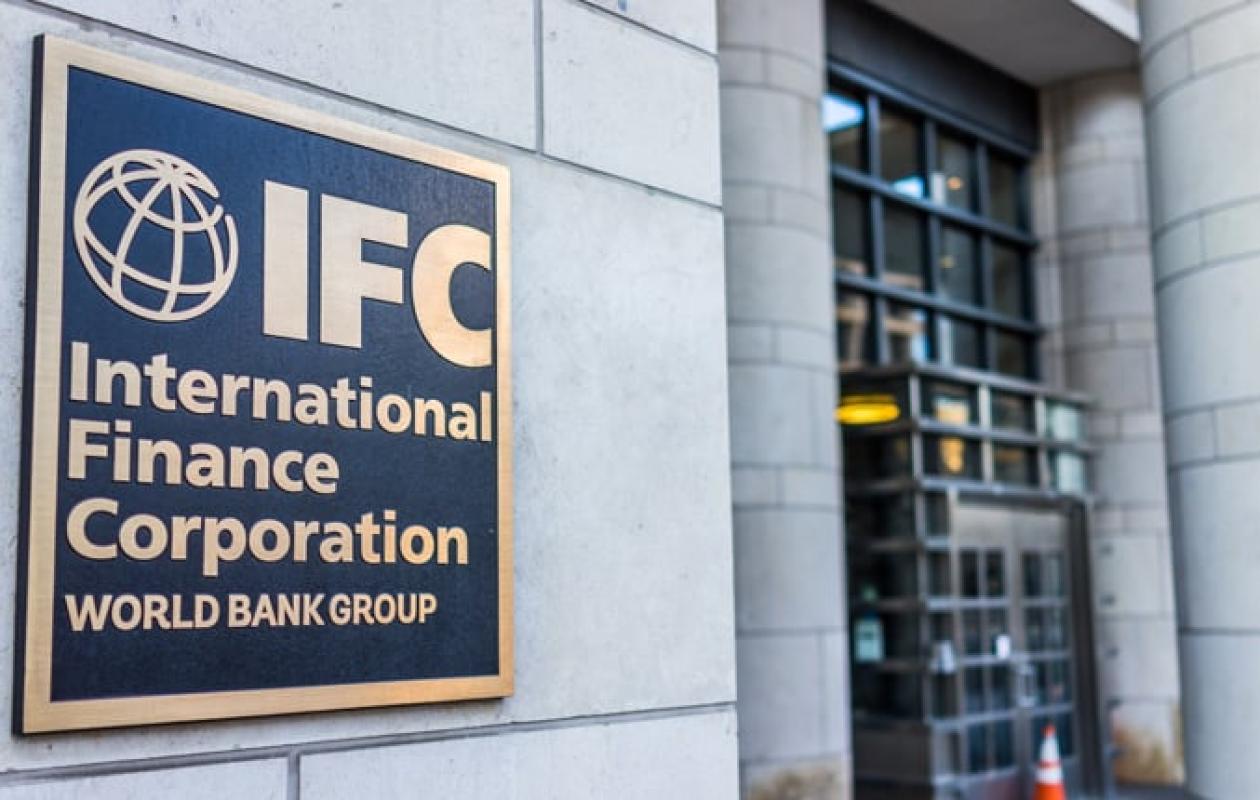
L’IFC, le visage entrepreneurial du Groupe de la Banque mondiale
When we think of the World Bank Group, the image that usually comes to mind is that of an institution that finances countries to build roads, schools, hospitals, or energy infrastructure. While this mission certainly exists, it doesn't encompass the entirety of the group's activities. For nearly seventy years, another institution has played a major role in financing the private sector worldwide: the International Finance Corporation, better known by its English acronym, IFC.
Established in 1956, the IFC is today the leading multilateral development institution exclusively dedicated to the private sector. Unlike the International Bank for Reconstruction and Development (IBRD) or the International Development Association (IDA), which primarily lend to governments, the IFC directly finances private companies, banks, investment funds, and projects undertaken by non-state economic actors.
This difference is far from insignificant. It reflects a profound shift in thinking about economic development. International institutions now recognize that states alone cannot finance all the needs related to growth, industrialization, the energy transition, or job creation. The private sector is called upon to play a much more significant role in these transformations.
The scale of the financial needs explains this trend. According to the World Bank and the African Development Bank, the African continent will need to mobilize several hundred billion dollars more each year to finance its infrastructure, industrialization, energy transition, and adaptation to climate change. Public budgets, even when well managed, do not have sufficient resources to meet these needs on their own.
It is precisely in this space that the IFC intervenes. Its activity is based on several instruments. It can grant loans, take equity stakes in companies, provide guarantees or even mobilize private investors around projects that it considers viable.
The institution has become a major player in development finance. During fiscal year 2024, the IFC committed a record $56 billion worldwide, including its own financing and capital raised from other investors. Africa accounted for a significant portion of these operations.
The continent has even become one of the institution's main areas of intervention. During fiscal year 2024, the IFC committed nearly $14 billion to Africa, an unprecedented level. This growth reflects both the continent's increasing needs and the World Bank's commitment to strengthening its support for the African private sector.
Senegal is among the countries where the IFC is particularly active. The institution has participated in financing projects in the energy, infrastructure, agribusiness, housing, telecommunications, and financial services sectors. It has also supported several Senegalese banks to improve access to credit for small and medium-sized enterprises.
This strategy is based on an observation widely shared by economists. In most African economies, SMEs represent more than 90% of the business fabric and generate a significant share of employment. Yet, they continue to face a massive financing gap. According to IFC estimates, the financing gap for SMEs in sub-Saharan Africa amounts to several hundred billion dollars.
The institution therefore often intervenes indirectly through local banks. By granting lines of credit or risk-sharing mechanisms to financial institutions, it seeks to increase the financing available to businesses that have difficulty accessing credit.
Energy is another major area of intervention. According to the World Bank, nearly 600 million Africans still lack access to electricity. This situation limits business productivity, hinders industrialization, and reduces the attractiveness of many economies to investors. The IFC therefore regularly finances the construction of power plants, solar projects, distribution networks, and energy infrastructure designed to increase the available supply.
Infrastructure development also consumes a significant portion of its resources. Roads, ports, airports, and digital infrastructure often require long-term investments that exceed the financing capacity of many private actors. The IFC then steps in to structure projects and reassure other investors.
Its influence, however, extends beyond mere financial contributions. In many transactions, the institution also provides technical, legal, or environmental expertise. This dimension is particularly sought after by international investors, who often consider the IFC's presence as a signal of quality and credibility.
This signaling effect plays a significant role. When a project receives IFC support, it generally becomes easier to attract other funders. Commercial banks, investment funds, and insurers are often more willing to participate when a World Bank Group institution has already conducted its own analysis and decided to invest.
This ability to attract private capital has become one of the institution's main objectives. Development financing no longer relies solely on public resources or international aid. Multilateral organizations now seek to leverage their own resources to mobilize significantly larger sums from private investors.
The IFC thus occupies a unique place in the international financial architecture. It is neither a traditional commercial bank nor a public development aid agency. Its role is to use financial tools to support projects likely to generate both economic returns and a development impact.
As African economies seek to industrialize production, strengthen infrastructure, and create millions of jobs for a rapidly growing population, this approach is becoming increasingly important. Behind many energy, industrial, and financial projects developed on the continent today lies the involvement of an institution that has made the private sector one of the main drivers of economic development.























Commentaires (0)
Participer à la Discussion
Règles de la communauté
💡 Astuce : Utilisez des emojis depuis votre téléphone ou le module emoji ci-dessous. Cliquez sur GIF pour ajouter un GIF animé. Collez un lien X/Twitter, TikTok ou Instagram pour l'afficher automatiquement.
Se connecter
Commentez avec votre profil, votre photo, et soyez averti des réponses.