
Culture et industries créatives : Le diagnostic sans complaisance de PoScible sur les retards du secteur
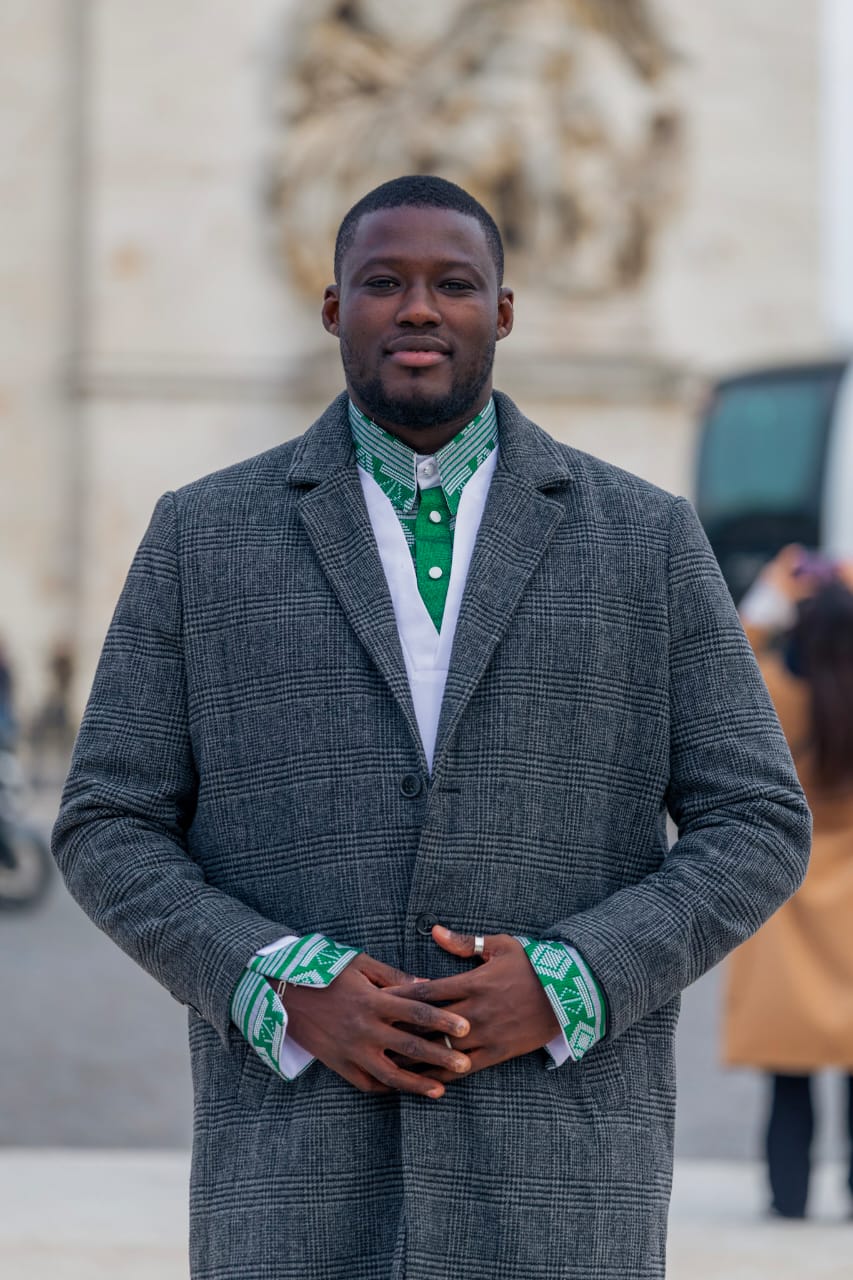
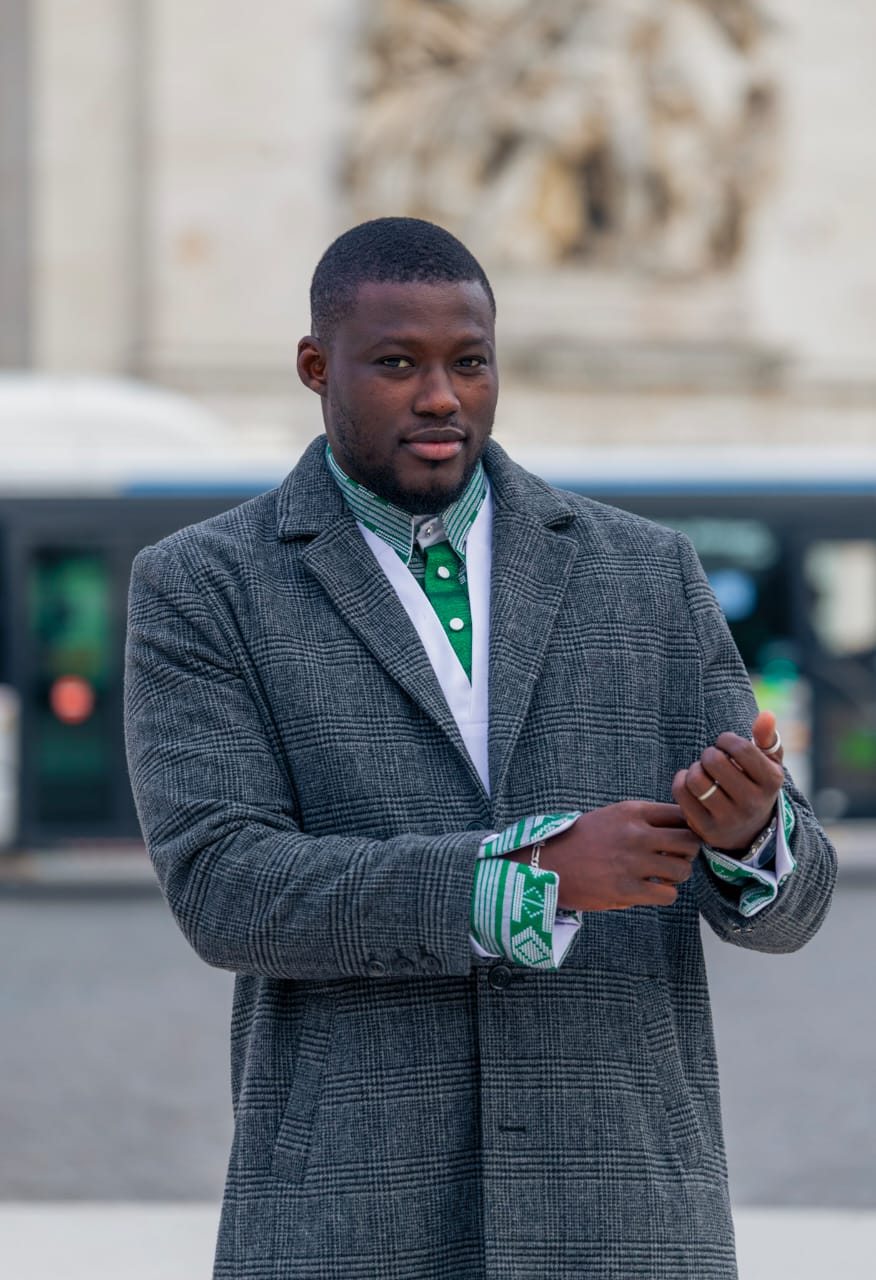
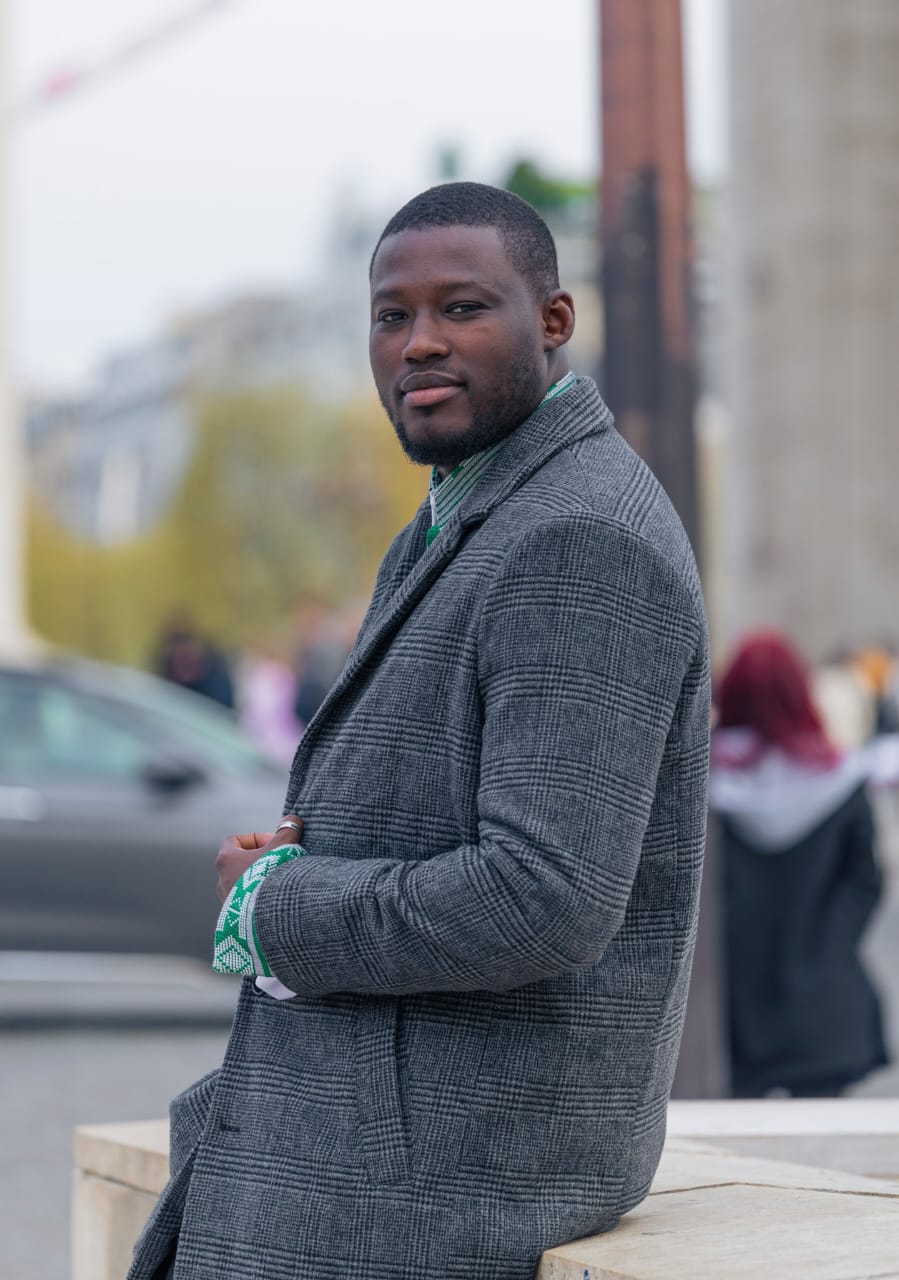
A lawyer by training, cultural entrepreneur, and founder of MeloMusic Entertainment, Papa Ousmane Sall, also known as PoScible, offers a frank assessment of the obstacles facing the cultural sector in Senegal. Ahead of the first edition of the For Xam forum, scheduled for November 26-28, 2026, at the Maison des Cultures Urbaines in Ouakam, this cultural figure analyzes the delays in implementing the artist statute, the necessary digitization of SODAV (the Senegalese copyright collection society), the challenges of private copying levies, and the shortcomings of international mobility. His technical analysis is accompanied by six concrete proposals to transform artistic creation into a genuine driver of employment and sovereignty.
In your opinion, what is the exact definition of a cultural policy?
A cultural policy represents the structured set of choices, directions, and means by which public authorities support creation, protect heritage, organize universal access to culture for citizens, and structure the sector's economy. It is by no means simply a calendar of one-off events, but rather a public vision accompanied by specific objectives, dedicated resources, and evaluation mechanisms.
Are there suitable cultural policies in Senegal to sustainably improve the economic margins of stakeholders?
Yes, policies and an institutional framework exist and are tending to strengthen. Culture is now included in the National Transformation Agenda Senegal 2050, the law establishing the status of artists and cultural professionals has been adopted, the Urban Culture and Creative Industries Development Fund (FDCUIC) finances projects, and strategic planning work is underway, such as the 2026-2030 strategic plan for film and audiovisual media. However, these mechanisms are not yet fully adapted to the challenges of profitability and financial margins. To increase the income of stakeholders, effective levers are needed: the implementation of remuneration for private copying, the actual collection of copyright and related rights, smooth access to markets, and direct funding for cultural entrepreneurship. Several of these levers remain theoretical, and it is at this level that public efforts must be focused.
How should we assess the impact and usefulness of cultural actions deployed on the national territory?
The evaluation must be based on performance indicators defined from the outset, including jobs and revenue generated, the geographical distribution of beneficiaries, infrastructure usage, artistic impact, and the unit cost per beneficiary. The sector still suffers from a lack of reliable statistics and a comprehensive mapping to ensure rigorous measurement. I recommend establishing common indicators for all programs, conducting an independent evaluation with publicly available results, and providing systematic feedback to stakeholders. The evaluation should serve as a tool for guidance and adjustment, not as a means of punishment.
Who should decide on the directions and programs: elected officials, experts, or those working on the ground?
From a legal standpoint, defining the cultural direction falls under the exclusive jurisdiction of the State, through the government and the relevant ministry, while local authorities exercise the cultural powers transferred to them through decentralization. In practice, the decision is more effective when these three entities work together: elected officials set the political course, experts provide their technical insights, and cultural stakeholders are involved from the initial planning and evaluation phases, given their in-depth understanding of the realities on the ground.
Is access to culture guaranteed for audiences living far from major urban centers?
Not equitably at present. Cultural offerings and key infrastructure remain heavily concentrated in Dakar and a few other major urban areas. To correct this imbalance, the government must rely on local authorities, equip and manage local cultural facilities, fund regional distribution networks, and leverage digital tools for both content dissemination and training. Guaranteeing access to culture requires a combination of suitable facilities, regular programming, and the geographical mobility of audiences.
Read also : "Craft sector: The Ministry of Culture welcomes the commitments of the Head of State"
Do you see any progress in strengthening institutional mechanisms?
Tangible progress is evident: the existence of a Ministry of Culture, Crafts, and Tourism with a department dedicated to creative industries; the passing of the law on the status of artists; the operationalization of the FDCUIC (National Fund for the Development of Creative Industries); and the instructions given by the Head of State in January 2026 to strengthen artists' rights and improve the quality of training. The challenge now lies in their implementation, which requires the publication of implementing regulations, better inter-institutional coordination, and continuous evaluation of results.
What is the scope of the actions of foreign cultural centers in Senegal?
Their contribution is real: they offer spaces for creation and dissemination, funding opportunities, training modules, and a window onto the international stage. However, these structures must complement national public investment, not replace it. Dependence on the cultural agendas of third-party countries cannot constitute a sovereign cultural policy. International cooperation is all the more beneficial when it is based on a clearly defined national strategy.
What is their direct impact on the artists' careers?
For artists, these centers represent immediate operational opportunities in the form of residencies, performance venues, training, and mobility. For many, particularly those within urban culture and the independent scene, they constitute an essential first stepping stone. The limitation of this model lies in unequal access and the fact that selection criteria are driven by external agendas. Hence the need to consolidate independent national systems to prevent artists from relying on a single channel.
What place do our local traditions and cultures occupy in relation to institutional or globalized art forms?
I don't see a separation between these dimensions. Local traditions and cultures constitute the raw material, while institutional and globalized art forms act as vectors of dissemination. Urban cultures perfectly embody this complementarity: they are rooted locally in our languages and realities, while remaining connected to global flows. My involvement in this field since 2011, particularly through LRGB, has convinced me that urban cultures represent both a living heritage and a major economic sector, even though they still lack formal recognition. The For Xam forum, which we are organizing from November 26 to 28, 2026, at the Maison des Cultures Urbaines in Ouakam in partnership with MeloMusic Entertainment, reflects this desire to provide a framework for dialogue between practitioners and institutions to formulate appropriate strategic recommendations.
How is the link between academic training, research and the cultural sector structured?
This is a highly structuring link. A viable cultural industry cannot exist without the development of advanced skills in project management, intellectual property law, production engineering, and digital technologies, nor without the production of research data. The presidential directive of January 2026, aimed at modernizing and raising the standards of teaching at the National School of Arts and Crafts for Culture, is a step in this direction. It is essential to support this with strategic partnerships between universities and businesses in the sector, as well as applied research capable of informing public policy.
Is Senegalese culture perceived for its true value as a lever for job and wealth creation?
Culture is undeniably a sector that creates wealth and jobs, but reforms are still needed. Discussing cultural and creative industries implies structuring genuine value chains capable of generating decent and secure employment. To date, we primarily observe the self-creation of informal jobs by the actors themselves. Support mechanisms exist, such as the FDCUIC, but they must be optimized to prioritize the creation of sustainable jobs, enhance Senegal's international standing, and guarantee better social and health protection for those involved.
Like the United States, which has built its cinema and music into tools of cultural power ( soft power ), Senegal must make its cultural heritage a pillar of economic development and international influence, backed by strong support for cultural entrepreneurship.
Who is responsible for the observed delay: the actors or the public authorities?
It is important to speak of shared responsibilities rather than individual blame. Public authorities must move from announcements to concrete actions by publishing implementing decrees, guaranteeing funding, and ensuring institutional coordination. For their part, cultural stakeholders must organize themselves, formalize their activities, familiarize themselves with the legal framework, and present a rigorous collective advocacy.
What are the concrete solutions to address these shortcomings?
I recommend six priority measures: the immediate publication of the implementing texts of the law on the status of the artist and remuneration for private copying, accompanied by a binding timetable; the clear definition of the financing mechanism for the social protection of artists; the strengthening of existing public funds, in particular those dedicated to mobility; the structuring of the sector through professional identification, mapping and public evaluation; the creation of a permanent consultation framework between the State and the stakeholders; and finally, the complete modernization of the Senegalese Society for Copyright and Neighboring Rights (SODAV) through the complete digitalization of the processes of membership, declaration of works and distribution of royalties.
The issue of international artistic mobility remains problematic. What solutions can be offered?
This is an issue I am actively working on. Following advocacy efforts with the FDCUIC's management, a significant step forward has been achieved with the creation of a permanent office dedicated to international mobility, separate from traditional calls for proposals. This is a significant step, as artistic mobility addresses urgent needs and opportunities that cannot be accommodated by the time constraints of a call for proposals.
It is now necessary to increase the allocated budget to meet the high demand. Furthermore, access to the mobility grant should not be exclusive: obtaining funding for a project should not prevent an artist from receiving mobility support to promote that same work in international markets. Fairness must be ensured through objective selection criteria, not systematic exclusions. Strengthening the program also requires shorter processing times, simplified procedures, and collaboration with diplomatic services for visa applications.
What is your view on the role of the Directorate General for Culture and the FDCUIC?
The Directorate General of Culture is responsible for designing and implementing cultural policy under the authority of the Minister. The FDCUIC (Fund for the Development of Cultural Initiatives), established in 2023, serves as its operational financing arm. In 2026, this fund allocated 555 million CFA francs to 244 selected projects, as well as 15 million CFA francs dedicated to artistic mobility. While these figures demonstrate institutional dynamism, the amounts invested remain modest compared to the sector's actual needs. The priority lies in increasing funding and broadening access to resources.
What is the current state of the legal framework governing the status of the artist and collective management?
From a legal standpoint, Senegal has a high-quality legislative framework concerning the status of artists and cultural professionals. This law formally identifies these actors, recognizes culture as a paid profession, and grants the right to social protection. The problem lies solely in its operational effectiveness. It is unacceptable that cultural figures nearing the end of their careers are still forced to rely on private assistance to cover their healthcare costs.
Similarly, the private copying levy, enshrined in law since 2008, is struggling to materialize, although the consultations recently launched by the Ministry of Culture demonstrate a commitment to reaching an agreement. Regarding SODAV (the French Society for the Collection and Distribution of Audiovisual Works), it is urgent to abandon paper-based work declarations and to deploy without delay the promised digital interface to modernize the collection, registration, and consultation of royalties. Despite the instructions given by the Head of State in January 2026, implementation remains hampered by delays in the publication of decrees, the lack of a contribution scheme for health insurance coverage, the significant presence of the informal economy, and the limited understanding and application of the legislation by creators themselves.
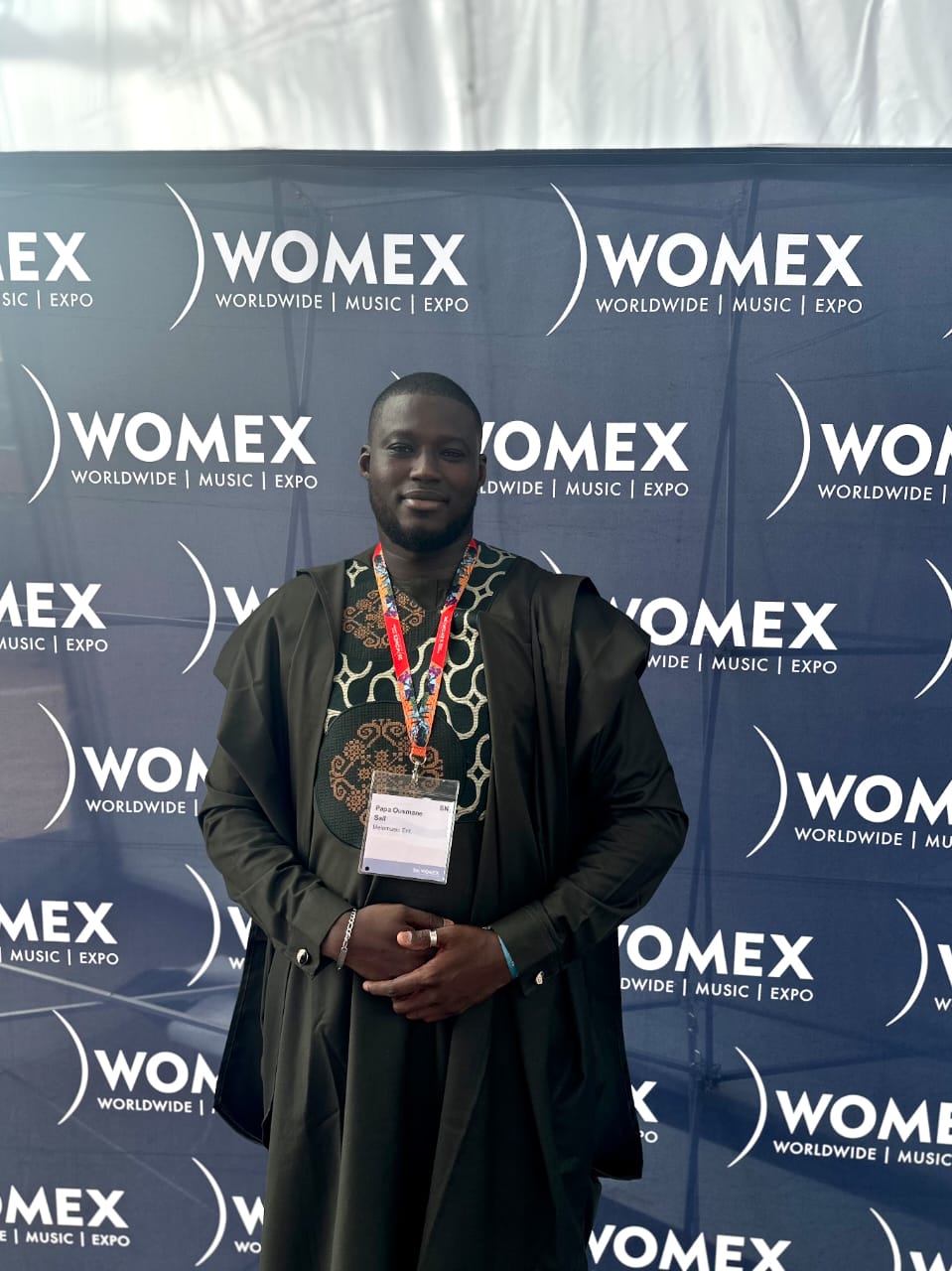
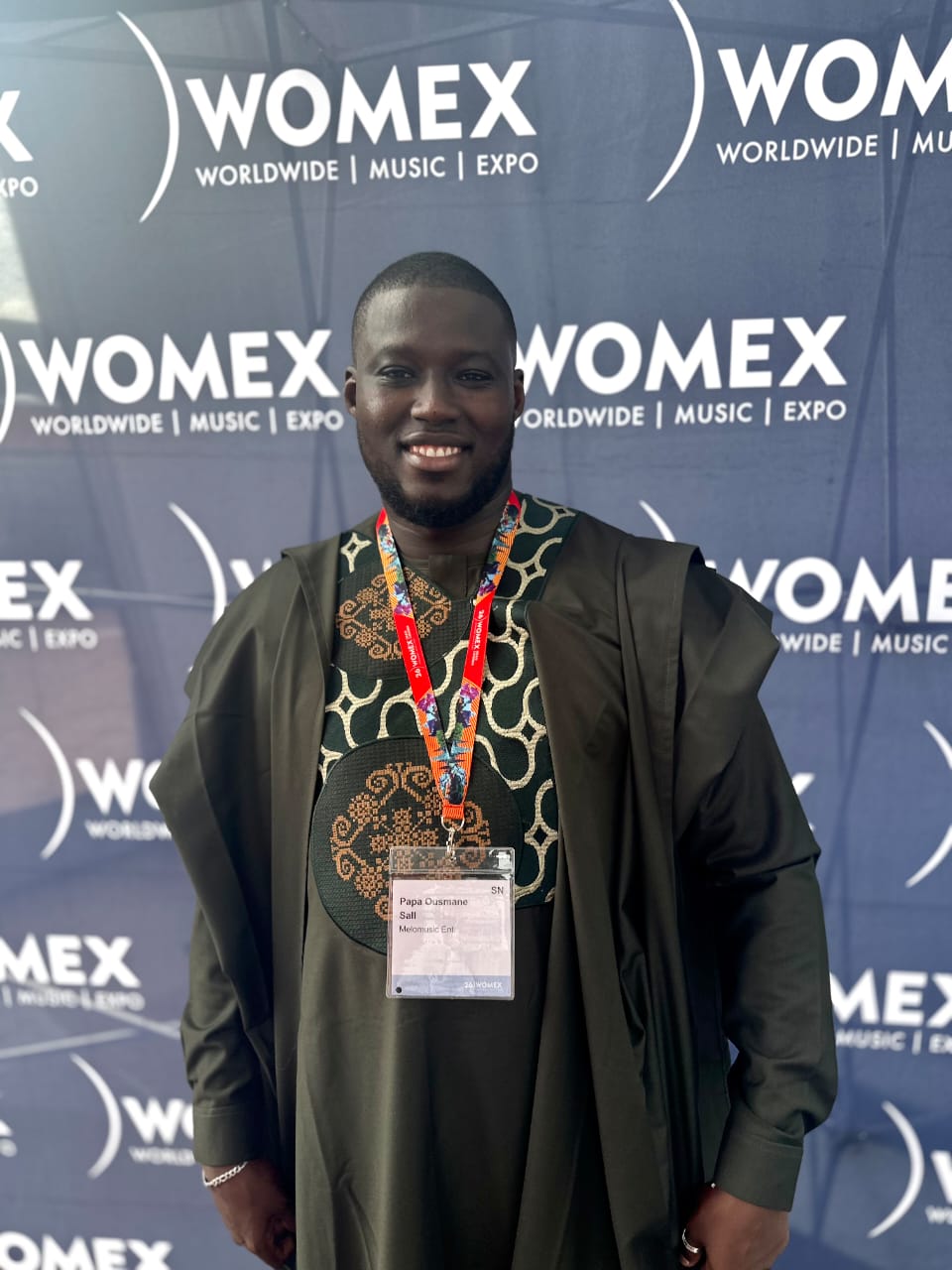
How do you feel about the Senegalese presence at the WOMEX international trade fair in Las Palmas?
The presence of Senegalese actors and artists at WOMEX is real, but it still relies too heavily on individual and isolated initiatives. Many professionals face visa refusals or are unable to secure consular appointments in time. Senegal needs to establish a truly official delegation at these strategic international markets. This requires multi-year planning from the Ministry of Culture aimed at the targeted placement of our artists and professionals, supported by rigorous monitoring of the economic impact. My participation in events like the Africa Networking Session, coordinated by our compatriot Idrissa Sow, confirms that the immense potential of our culture can only be fully realized internationally with professional and structured institutional support.










Commentaires (2)
Participer à la Discussion
Règles de la communauté
💡 Astuce : Utilisez des emojis depuis votre téléphone ou le module emoji ci-dessous. Cliquez sur GIF pour ajouter un GIF animé. Collez un lien X/Twitter, TikTok ou Instagram pour l'afficher automatiquement.
Se connecter
Commentez avec votre profil, votre photo, et soyez averti des réponses.