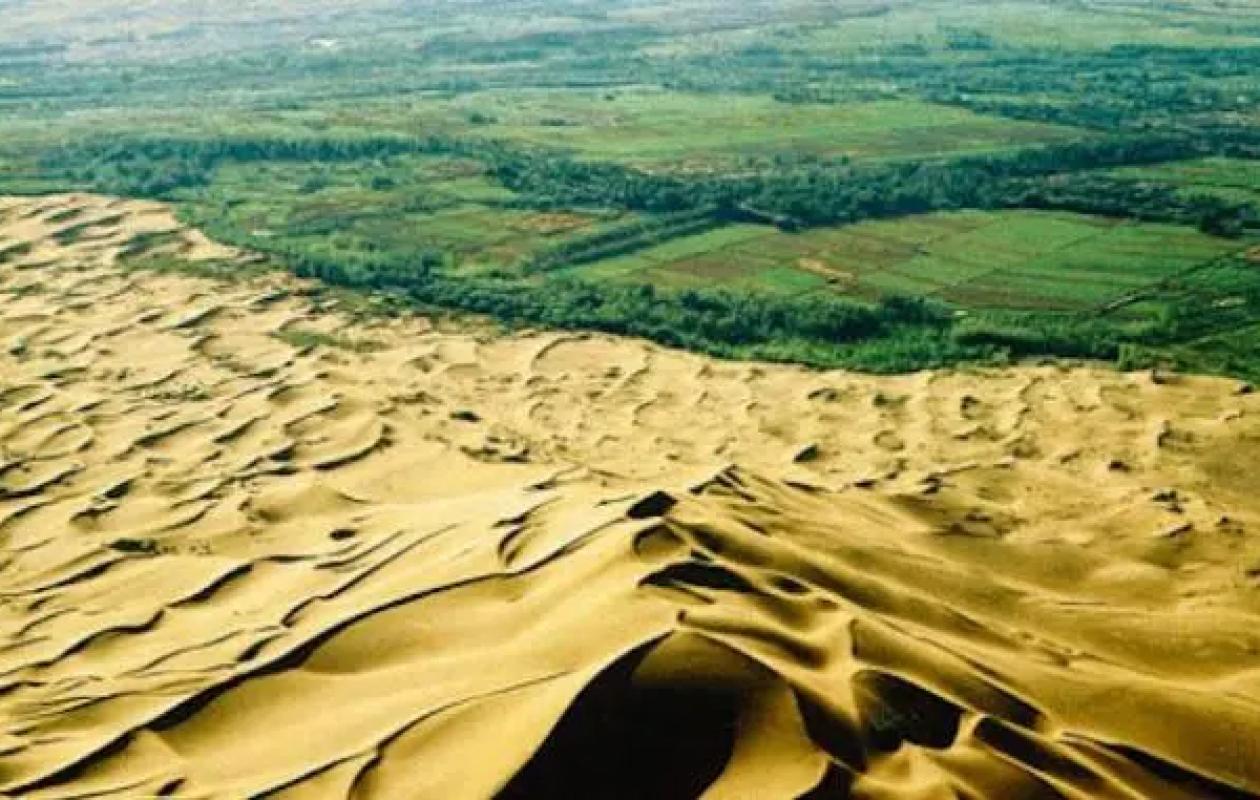
Grande muraille verte : La Mauritanie et le Mali bons élèves, le Sénégal sur la liste des mauvais payeurs
At a time when the effects of climate change are hitting the Sahel hard, one of the largest environmental projects on the African continent is stumbling over an obstacle as commonplace as it is fatal: the payment of contributions. According to the latest accounts of the Pan-African Agency of the Great Green Wall (PAGGW), reported by its scientific and technical director, Dr. Sakhoudia Thiam, only Mauritania and Mali have paid their annual financial contributions. Senegal and eight other member states are on the list of defaulters.
“There are some states that are not up to date. There are some good students though. Mauritania is up to date, Mali too. Senegal is not yet up to date but we have a firm promise from the Minister of the Environment to clear a year and a half of arrears, i.e. 150 million CFA francs (the annual contribution is 100 million per Member State, editor's note),” says Dr. Sakhoudia Thiam on the sidelines of a Forum of actors in the sustainable management of natural resources in the Sahel, organised this Tuesday by the Belgian Agency for International Cooperation (Enabel).
The Great Green Wall initiative, launched in 2005 (an idea of Presidents Olusegun Obasanjo and Abdoulaye Wade), whose original vision was to reforest a green belt stretching from Dakar to Djibouti (8,000 km long and 15 km wide), was ultimately unsuccessful. The very high mortality rate of the planted saplings (between 70% and 80%) and insufficient funding—particularly member state contributions—were the main causes. Twenty years later, the same problem persists. Member states are still struggling to meet their commitments, negatively impacting the agency's operations.
“There is also funding that we are waiting for for the construction of the headquarters in Nouakchott where the Mauritanian State has offered space to the agency. The construction plan has already been approved, it remains to mobilize the resources to build the headquarters,” he emphasizes, launching an appeal to the States to “pay their statutory contributions”.
Having shifted its paradigm after the failure of the initial vision, the Agency implemented "a ten-year priority investment plan aimed at creating development hubs to build the resilience of communities." "The ten-year plan is halfway through. We have completed the five-year phase that we evaluated, and today we are at 30% completion, despite constraints such as resource mobilization," notes Dr. Thiam, who nevertheless welcomes the results.
"There have been many achievements, particularly in land restoration. The ten-year objective was to restore 100 million hectares of degraded land, sequester 250 million tons of carbon, and create 10 million sustainable green jobs," he says.
For the second phase (2026-2030), the Agency intends to readjust its policy in order to achieve its objectives.




















Commentaires (4)
Participer à la Discussion
Règles de la communauté
💡 Astuce : Utilisez des emojis depuis votre téléphone ou le module emoji ci-dessous. Cliquez sur GIF pour ajouter un GIF animé. Collez un lien X/Twitter, TikTok ou Instagram pour l'afficher automatiquement.
Se connecter
Commentez avec votre profil, votre photo, et soyez averti des réponses.