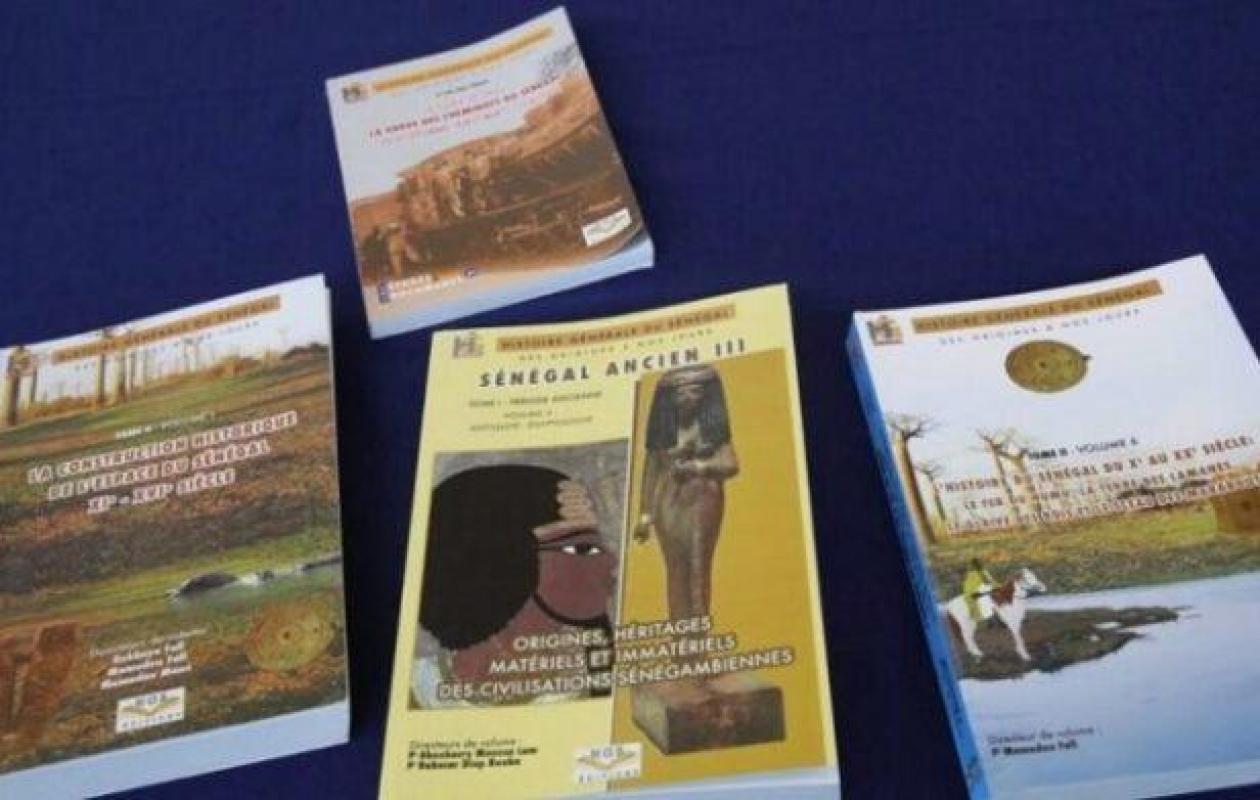
Confréries, Thiaroye-44, Cheikh Anta Diop… : ce que racontent les neuf volumes de l'Histoire générale du Sénégal
According to the 2024-2026 project development report, the General History of Senegal (HGS) originated from 45 works compiled into nine volumes, covering five major themes: ancient foundations, political formations, resistance movements, the colonial state, and transformations of contemporary society. In a special report dedicated to the subject, Le Soleil extensively covered the work's content. The project coordinator, Professor Mamadou Fall, emphasized that it "is rooted in a proven epistemological and heuristic tradition, heir to three major historiographical approaches ['Massalik and Tarikh,' 'discovery,' and 'dynastic'] which, each in its own way, described moments in our past and produced corpora of texts of great informational value."
"The first volume is devoted to the foundations and legacies of ancient Senegal," the newspaper reports. "It brings together research on the first settlements, megaliths, tumuli, shell middens, and material productions of the Senegambian civilizations. The relationship between ancient Egypt and sub-Saharan Africa, as well as endogenous sources, must be integrated," suggests Le Soleil; the objective, the report adds, being "to place Senegal within the long history of African civilizations."
The second volume focuses on the political and territorial construction of the country between the 10th and 16th centuries. "It analyzes the transition from the system of the Lamanes (masters of the land) to the kingdoms and the progressive formation of spaces of power," explains the national daily.
The third part deals with regional dynamics and economic resources between the 13th and 19th centuries. Salt is at the heart of the chapter: "This resource links the Sahelian regions, coastal areas and long-distance trade routes," the report notes.
The fourth volume examines the political upheavals of the 16th and 17th centuries. "The fifth volume brings together studies on resistance, hardship, and religious renewal between 1815 and 1914," continues Le Soleil. "The colonial conquest is recounted from the perspective of the responses of Senegalese societies. Maba Diakhou Bâ, Cheikh Ahmadou Bamba Mbacké, Serigne Koki Ndiaga Isseu Diop, Moussa Momo, and several figures from Casamance feature prominently. The expansion of the Tijaniyya order and the birth of the Muridiyya order demonstrate that the 19th century was also a period of profound spiritual and social transformation."
The sixth volume examines the colonial system, its mechanisms and its actors, between 1854 and 1920. "It studies the civil servants, civilian auxiliaries, military and African paramilitaries employed by the French administration," the newspaper details.
The same source reports that the seventh volume addresses "social crises and military memories between 1930 and 1960. The 1938 railway workers' strike in Thiès, the Thiaroye massacre, participation in the Second World War and the involvement of riflemen in Indochina are brought together there."
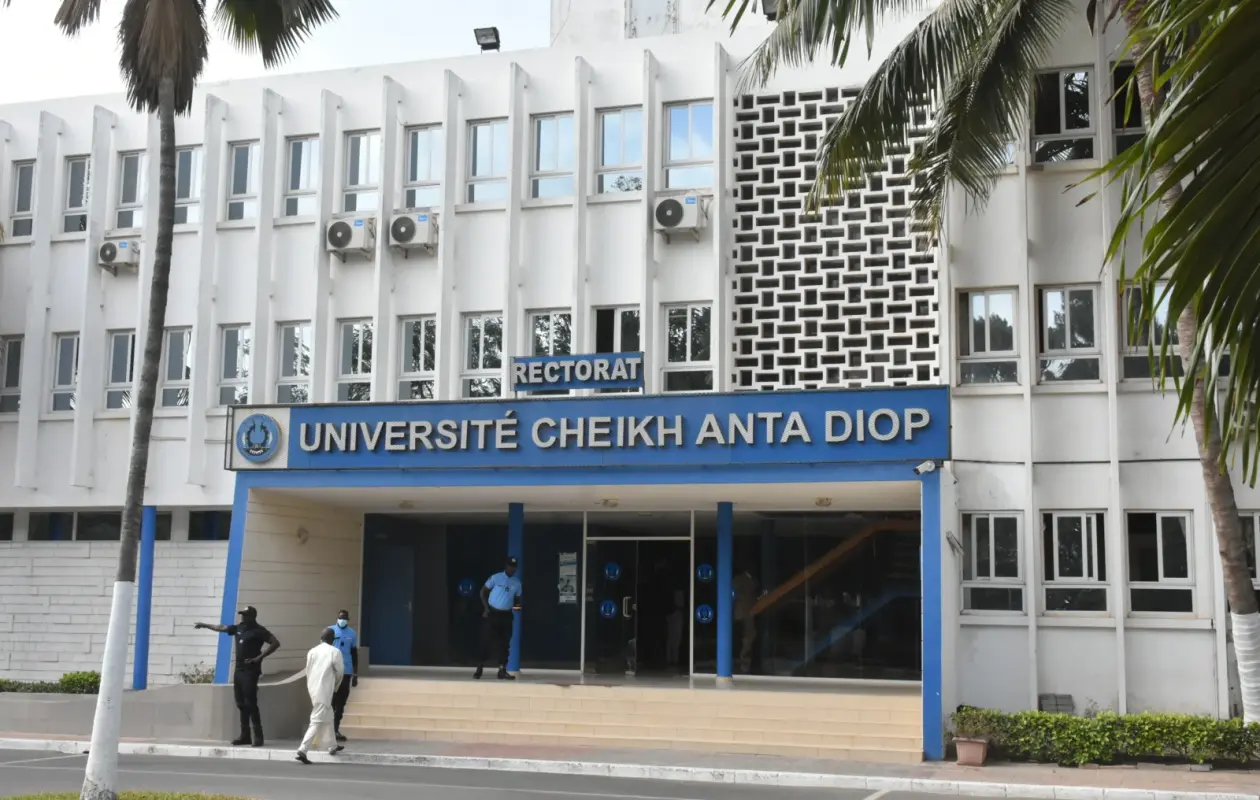
The eighth chapter deals with "state building, infrastructure and democratic achievements" while the ninth and final volume examines "cultures, identities and intellectual traditions"; "the work of Cheikh Anta Diop is presented there as a decisive contribution to the renewal of African historical thought," notes Le Soleil.











Commentaires (7)
Participer à la Discussion
Règles de la communauté
💡 Astuce : Utilisez des emojis depuis votre téléphone ou le module emoji ci-dessous. Cliquez sur GIF pour ajouter un GIF animé. Collez un lien X/Twitter, TikTok ou Instagram pour l'afficher automatiquement.
Se connecter
Commentez avec votre profil, votre photo, et soyez averti des réponses.